Home Visit
 Upload





Web Stories


Latest Blogs

Benefits of Skipping: 15 Reasons Jump Rope Is One of the Best Cardio Workouts
What is Skipping, and How Does It Work? Skipping, also known as jump rope, is a rhythmic exercise in which you repeatedly hop over a rotating rope with coordinated movements. This dynamic activity combines aerobic and anaerobic exercise, engaging your heart, lungs, legs, core, and arms simultaneously. As you swing the rope and jump, your body maintains an active posture that requires continuous muscular engagement and precise coordination. The beauty of skipping exercise lies in its accessibility and adaptability. You can perform this workout anywhere with minimal space, adjusting the intensity by changing your speed, duration, or footwork complexity. The repetitive jumping motion elevates your heart rate rapidly, creating an efficient calorie-burning session that strengthens major muscle groups throughout your body. What makes skipping rope particularly effective is how it challenges multiple fitness components simultaneously. Your cardiovascular system works harder to supply oxygen to active muscles, while your nervous system coordinates the precise timing needed for successful rope clearance. This combination creates a comprehensive workout that delivers remarkable results in relatively short sessions. 15 Benefits of Skipping for Your Health 1. High Calorie Burn The calories burned during skipping are impressive compared to other exercises. A person weighing 70 kg may burn approximately 300–400 calories in 30 minutes of moderate-intensity skipping. 2. Improves Cardiovascular Fitness Jump rope elevates your heart rate quickly, strengthening your heart muscle and improving lung capacity. Regular skipping sessions enhance your cardiovascular endurance significantly. 3. Supports Weight Loss The high energy expenditure makes skipping for weight loss highly effective. The high intensity of this exercise can contribute to a calorie deficit when paired with balanced nutrition. 4. Boosts Coordination and Agility The repeated footwork and timing required in jump rope exercise improve motor skills, balance, and overall body coordination significantly. 5. Strengthens Multiple Muscle Groups Skipping rope primarily targets leg muscles, including calves, quadriceps, and hamstrings, while simultaneously engaging your core, shoulders, and arms. 6. Enhances Bone Density The impact of jumping stimulates bone remodelling and helps maintain bone density, reducing the risk of osteoporosis, particularly beneficial for maintaining strong bones as you age. 7. Improves Balance and Stability Continuous jumping enhances proprioception, balance, and stability, reducing your risk of falls and injuries in daily activities. 8. Increases Metabolic Rate The high-intensity nature of skipping temporarily elevates post-exercise oxygen consumption (EPOC), allowing continued calorie burn after the workout. 9. Low Equipment, High Convenience You only need a jump rope and limited space, making this exercise incredibly accessible and cost-effective for maintaining fitness. 10. Supports Mental Health Cardio exercises like skipping promote endorphin release, reducing stress and enhancing mood and mental well-being. 11. Versatile Workout Options You can modify intensity, duration, and style to accommodate fitness levels from beginner to advanced athlete. 12. Improves Speed and Reaction Time Fast-paced skipping drills train your body to respond quickly and efficiently, enhancing athletic performance. 13. Enhances Overall Athletic Performance Many professional athletes incorporate jump rope training for conditioning, agility development, and improved footwork. 14. Reduces Injury Risk Regular skipping improves coordination, balance, and muscle strength—factors that significantly lower the risk of common injuries and falls. Jumping rope can be safe for older adults if performed with proper footwear, joint health, and medical clearance, provided they don’t have existing bone or muscle health conditions. 15. Promotes Fat Loss Consistent high-intensity skipping exercise promotes overall body fat reduction, and skipping supports overall fat reduction, including abdominal fat, when combined with a healthy diet and active lifestyle. How Many Calories Does Skipping Burn? The calories burned during skipping depend significantly on your body weight, exercise intensity, and workout duration. The Indian School of Callisthenics states that most people burn between 105-185 calories during a 10-minute skipping session, making it an incredibly efficient workout option. At a moderate pace of 100-120 skips per minute, you'll burn approximately 10-15 calories per minute. The exact calorie burn varies based on your skipping speed and technique. Fast-paced jumping can increase this number significantly, with some individuals burning up to 20 calories per minute during high-intensity sessions. What makes these numbers particularly impressive is how they compare to other popular exercises. Skipping rope burns more calories per minute than cycling, swimming, or even running at moderate intensities, making it one of the most time-efficient cardio workouts available. Does Skipping Help with Weight Loss? Absolutely! Skipping for weight loss is highly effective because it has exceptional calorie-burning potential and can boost your metabolic rate. The benefits of skipping rope for weight management extend beyond the immediate calorie burn during exercise. This high-intensity activity creates an "afterburn effect" (excess post-exercise oxygen consumption, EPOC), where the body continues to expend calories at a slightly elevated rate for a short period after exercise. Regular skipping sessions, combined with balanced nutrition, create the calorie deficit essential for sustainable weight loss. The exercise’s intensity helps preserve lean muscle mass while supporting fat loss, leading to improved body composition. Additionally, the convenience factor means you're more likely to maintain consistency, which is crucial for long-term weight management success. For optimal results, aim for 15-20 minutes of skipping rope exercise 3-4 times per week, gradually increasing duration and intensity as your fitness improves. Can Skipping Reduce Belly Fat? Skipping can help reduce overall body fat, including abdominal fat, as part of total fat loss While spot reduction isn't possible, the high-intensity nature of jump rope exercise promotes fat loss throughout your body, including the abdominal area. The benefits of skipping rope for belly fat reduction come from its ability to create a significant calorie deficit and boost your metabolism. The core engagement required during skipping also strengthens abdominal muscles, enhancing abdominal muscle tone as overall fat decreases. However, remember that reducing belly fat requires a comprehensive approach that includes proper nutrition, adequate sleep, stress management, and regular exercise. Consistency is key – combining regular skipping sessions with a balanced diet will yield the best results for overall fat loss, including stubborn belly fat. Conclusion Whether you're seeking effective calories burned during skipping sessions, hoping that skipping reduces belly fat, or simply wanting an efficient workout, jump rope training provides an accessible solution for people of all fitness levels. To complement your workout efforts and track the internal changes that exercise brings, Metropolis Healthcare offers comprehensive support for your fitness and weight-loss journey. With an extensive portfolio of over 4,000 tests and profiles—including fitness-focused health check-ups and metabolic panels—you can monitor your progress scientifically. Our convenient home sample collection service, available at 10,000+ touchpoints nationwide, lets you stay consistent with your health tracking without interrupting your routine. FAQs How many calories can you burn in 10 minutes of skipping? Most people burn between 100 and 150 calories during a 10-minute skipping session, depending on body weight and intensity. This makes skipping one of the most calorie-efficient exercises available, delivering excellent results in minimal time. Is skipping better than running for weight loss? Both skipping rope and running burn calories at similar rates when performed at comparable intensities. Running at about 7 mph (11 km/h) and skipping at 110–120 skips per minute produce comparable metabolic equivalents (METs). However, the benefits of skipping include improved coordination, stronger bones from impact exercise, and greater convenience since you can exercise anywhere with minimal equipment. Can skipping help you get toned? Yes, skipping exercise provides excellent muscle-toning benefits. This full-body workout activates muscles in your legs, core, arms, and shoulders, promoting muscular endurance and definition. The repetitive jumping motion particularly tones your calves, while rope rotations engage your forearms and shoulders. Regular skipping sessions combined with proper nutrition will help you achieve a more toned physique. How long should I skip to see results? You may start noticing endurance and coordination improvements within 2–3 weeks of consistent skipping practice. Begin with 10-15 minute sessions, 3-4 times per week, focusing on proper form rather than speed. As your fitness improves, gradually increase the duration to 20-30 minutes. Most people notice improved cardiovascular fitness within the first month, with visible changes in body composition after 6-8 weeks of regular practice. Can beginners start with skipping? Absolutely! Beginners can safely start skipping by going slowly and focusing on proper form. Start with 2-3 minute intervals with rest periods between, gradually building up endurance. Use a properly sized rope, wear supportive shoes, and exercise on a suitable surface. The beauty of jump rope training is its adaptability – you can modify intensity and duration to match your current fitness level. References: https://pubmed.ncbi.nlm.nih.gov/30341594/

Benefits of Cycling: 13 Ways It Boosts Fitness, Burns Calories & Improves Heart Health
The benefits of cycling have been extensively documented by health organisations worldwide, making it a cornerstone recommendation for maintaining optimal health. As a rhythmic, aerobic exercise, cycling engages multiple muscle groups whilst being gentle on joints, making it particularly suitable for individuals returning to exercise after injury or those with joint concerns. What sets cycling apart from other forms of exercise is its remarkable versatility. You can enjoy the benefits of cycling daily through outdoor rides, indoor sessions, or even stationary bike workouts. The World Health Organisation recognises cycling as an excellent way to achieve the recommended 150 minutes of moderate-intensity aerobic activity per week. Research consistently shows that regular cyclists experience lower rates of chronic diseases, improved mental health, and enhanced quality of life. The accessibility of cycling means that regardless of your current fitness level, you can begin experiencing these transformative health benefits almost immediately. What Makes Cycling a Great Exercise? Cycling stands out as an exceptional exercise choice due to its unique combination of accessibility, effectiveness, and sustainability. Unlike high-impact activities such as running, cycling provides a low-impact workout that minimises stress on joints whilst delivering maximum cardiovascular benefits. The rhythmic, non-weight-bearing motion of cycling makes it particularly suitable for people with arthritis, knee problems, or those recovering from lower limb injuries. This gentle approach doesn't compromise effectiveness. Cycling can burn roughly 400–1000 calories per hour depending on body weight, terrain, and effort intensity. According to data reported in NIH-supported cohort studies, cycling about 100 minutes per week is associated with an approximately 17% lower all-cause mortality risk compared with not cycling at all. Moreover, cycling adapts to your lifestyle seamlessly. Whether you prefer the controlled environment of indoor cycling or the fresh air of outdoor adventures, the benefits of cycling remain consistent. You can cycle alone for personal reflection or join group rides for social interaction, making it easier to maintain long-term exercise habits. 13 Benefits of Cycling Here are 13 science-backed benefits of cycling that make it a smart choice for overall health. Boosts heart health: Regular cycling strengthens the heart muscle, improves circulation, lowers resting heart rate, and reduces the risk of heart disease and stroke. Improves overall fitness and stamina: Cycling consistently improves cardiorespiratory fitness, making daily tasks feel easier and workouts more efficient. Helps with weight loss and fat burning: As a calorie-burning cardio exercise, cycling supports a calorie deficit and helps reduce overall body fat, especially when combined with a balanced diet. Strengthens lower body muscles: It targets quadriceps, hamstrings, glutes, and calves, building strength and endurance without heavy impact on the bones. Gentle on joints: Because cycling is non-weight-bearing, it’s easier on the knees and hips than many other forms of cardio, making it suitable for people with mild joint pain or those recovering from certain injuries (with medical advice). Improves blood sugar control: Like other aerobic exercises, regular cycling helps improve insulin sensitivity and reduces the risk of type 2 diabetes. Supports healthy cholesterol and blood pressure: Regular cycling is associated with higher HDL ("good") cholesterol, lower triglycerides, and improved blood-pressure regulation, all of which protect heart health. Boosts mental health and mood: Regular cycling is associated with better mental well-being, reduced stress, and lower risk of depression and anxiety, particularly when performed outdoors, which adds additional stress-relieving and mood-enhancing benefits. Improves balance and coordination: Controlling a bicycle, even a stationary one at higher resistance, engages your core and improves coordination and balance, which is vital as you age. Increases energy levels: Better cardiovascular fitness and improved circulation translate into more energy and less fatigue in day-to-day life. Supports longevity: Long-term cohort studies link regular cycling with a markedly lower risk of premature mortality compared with non-cyclists. Environmentally friendly commute: Using a bicycle for transportation replaces sedentary car or motorbike rides with active movement, cutting emissions and adding daily exercise. Flexible and time-efficient: You can gain cycling’s benefits through short, focused sessions on a stationary or road bike, at home, or on the road, without needing special skills. Benefits of Cycling for Men The benefits of cycling for men encompass both physical and mental health improvements that address common health concerns. Regular cycling significantly improves cardiovascular health, with studies showing that men who cycle regularly have up to 50% lower risk of heart disease compared to sedentary individuals. • May support healthy testosterone levels when practiced with proper bike fit and posture. • May support prostate health through improved pelvic circulation; however, prolonged saddle pressure can have opposite effects without ergonomic adjustments. • Stronger leg and core muscles support better posture and reduce back pain. • Reduced risk of metabolic syndrome, helping maintain a healthy weight and blood sugar levels. Benefits of Cycling for Women The benefits of cycling for women are particularly significant in addressing unique health challenges. Research suggests that women who cycle regularly may experience modest improvements in bone density when cycling is combined with weight-bearing exercise, which is crucial for preventing osteoporosis later in life. • Reduced risk of breast cancer, with some studies indicating up to a 30–35% lower risk among active women. • Better hormonal balance helps manage PMS and menopausal symptoms. • Improved body composition with increased muscle tone and reduced body fat. • Enhanced mood stability through endorphin release and stress reduction. Cycling for Weight Loss: How to Maximise Results Understanding how cycling burns calories is essential for maximising weight loss benefits. A 70 kg person can burn approximately 260 calories during 30 minutes of moderate cycling, increasing to 400+ calories at higher intensities. Combine cycling with a balanced, calorie-controlled diet for optimal results. Incorporate interval training, alternating between high and moderate intensity periods. Gradually increase ride duration, starting with 20-30 minutes and building up. Vary your cycling routes to challenge different muscle groups and prevent boredom. Track your progress using apps or fitness trackers to monitor improvements. Benefits of Cycling Daily The benefits of cycling daily compound over time, creating remarkable health transformations. Daily cyclists report significant improvements in energy levels, with many experiencing increased productivity and better mood regulation throughout the day. • Consistent cardiovascular improvements with measurable heart rate and blood pressure reductions. • A steady metabolic boost helps maintain a healthy weight more easily. • Enhanced immune function in regular cyclists experiencing fewer sick days. • Better sleep patterns with improved sleep quality and duration. Cycling Burns Calories: How Much? Cycling burns calories efficiently, making it an excellent choice for weight management. The exact number depends on several factors, including body weight, cycling intensity, and duration. Research shows that moderate cycling burns approximately 300-600 calories per hour for most adults. Higher intensity cycling or hill climbing can increase calorie burn to 600-1000+ calories per hour. This substantial calorie expenditure, combined with cycling's muscle-building effects, creates an ideal environment for sustainable weight loss and maintenance. Cycling vs. Skipping: Which Is Better for Fitness? When comparing cycling to skipping rope, both exercises offer unique advantages. While skipping provides intense, short-duration workouts, cycling offers sustainable, longer-duration exercise suitable for various fitness levels. • Joint impact: Cycling is low-impact; skipping is high-impact. • Sustainability: Cycling can be maintained for hours; skipping typically shorter sessions. • Accessibility: Cycling suits most ages and fitness levels; skipping requires coordination. • Calorie burn: Both are effective, but cycling allows for longer calorie-burning sessions. Does Cycling Help Reduce Belly Fat? Cycling helps reduce total body fat—including abdominal fat—through sustained aerobic activity that mobilises fat stores throughout the body. While spot reduction isn't possible, regular cycling creates the calorie deficit necessary for overall fat loss, including visceral fat around the abdomen. Studies demonstrate that individuals who cycle regularly experience measurable reductions in waist circumference and visceral fat and abdominal fat compared to sedentary individuals. The combination of calorie burning and muscle building makes cycling particularly effective for achieving a leaner midsection. Common Mistakes to Avoid While Cycling • Poor bike fit leading to discomfort, pain, or injury. • Neglecting safety equipment, including helmets and reflective clothing. • Skipping warm-up routines increases injury risk. • Overtraining without adequate recovery leads to burnout or injury. • Ignoring proper hydration, especially during longer rides. • Poor bike maintenance, compromising safety and performance. Cycling for Different Ages: Is It Safe for All? Cycling is remarkably safe and beneficial across all age groups when appropriate precautions are taken. Children develop coordination and cardiovascular fitness, whilst older adults maintain mobility and independence through regular cycling. Research published in the British Journal of Sports Medicine shows that cycling reduces the risk of premature death by up to 40% across all age groups. For older adults, cycling provides a sustainable way to maintain muscle strength, bone density, and cognitive function without excessive joint stress. The Impact of Cycling on Heart Health The cardiovascular benefits of cycling are profound and well-documented. Regular cycling strengthens the heart muscle, improves blood circulation, and reduces resting heart rate and blood pressure. The British Heart Foundation reports that cycling about 20 miles (≈ 32 km) per week has been associated with up to 50% lower risk of coronary heart disease. Cycling improves cholesterol profiles by increasing HDL (good) cholesterol whilst reducing LDL (‘bad’) cholesterol levels. This combination of effects creates a powerful protective mechanism against cardiovascular disease, making cycling one of the most effective exercises for heart health. Does Cycling Help with Mental Health? The mental health benefits of cycling are as significant as the physical benefits. Regular cycling triggers the release of endorphins, serotonin, and dopamine – natural mood elevators that combat depression and anxiety. Studies show that individuals who cycle regularly report 15-20% lower levels of stress and anxiety. Cycling also provides opportunities for mindfulness and stress relief, whether through peaceful solo rides or social group cycling experiences. The combination of physical activity, fresh air, and potential social interaction creates a powerful mental health intervention. Conclusion: Why You Should Start Cycling Today Cycling is a simple habit that can do a lot for your fitness, weight, and heart health, but it works best when you also keep a close eye on what’s happening inside your body. Along with regular rides, timely health checkups, blood tests, and heart profiles help you track cholesterol, sugar levels, inflammation, and cardiac risk so you can stay ahead of problems, not just react to them. At Metropolis Healthcare, you can combine the long-term benefits of cycling with smart, science-backed health monitoring. With 4000+ tests, including full body checkups and specialised cardiac and fitness panels, you get a clear picture of how your lifestyle is impacting your health. Our trusted home sample collection service, backed by 10,000+ touchpoints, makes it easy to test from the comfort of your home, with quick turnaround times and accurate results you can rely on. You can book your tests anytime through our website, app, phone call, or WhatsApp, and let our team handle the rest. References https://pmc.ncbi.nlm.nih.gov/articles/PMC10546027/ https://www.betterhealth.vic.gov.au/health/healthyliving/cycling-health-benefits

Health Benefits of Ajwain: 11 Powerful Things You Need to Know
What Is Ajwain? Ajwain, or carom seeds, scientifically called Trachyspermum ammi, belong to the same family as cumin and fennel. These small, oval-shaped carom seeds possess a distinctive pungent aroma reminiscent of thyme. The ajwain plant thrives in India's climate, producing seeds that have been treasured in traditional medicine for generations. Each ajwain seed contains essential oils, primarily thymol and carvacrol, which contribute to its antimicrobial and digestive-supporting properties. The seeds appear greyish-brown with fine ridges and measure approximately 2-3 millimetres in length. Beyond culinary ajwain uses, these seeds serve as natural remedies for various health concerns. Nutritional Value of Ajwain Understanding ajwain's nutritional profile reveals why these carom seeds offer such impressive health benefits: • Essential oils: Rich in thymol and carvacrol • Dietary fibre: Supports digestive health • Protein: Contains approximately 15–17% protein content • Minerals: Calcium, iron, phosphorus, and potassium • Vitamins: B-complex vitamins and vitamin C • Antioxidants: Flavonoids and phenolic compounds • Calories: Low-calorie content makes it diet-friendly According to a 2012 review in Pharmacognosy Reviews, ajwain seeds contain about 2%–4% essential oil (35%–60% thymol) and have shown a wide range of pharmacological actions in experimental studies, including antimicrobial, antioxidant, hypolipidemic, antihypertensive, antispasmodic, bronchodilating, gastroprotective, and anti-inflammatory effects. 11 Powerful Health Benefits of Ajwain Digestive Health Enhancement: Ajwain stimulates digestive enzymes, helping reduce bloating and gas. Antimicrobial Protection: Thymol content fights harmful bacteria and fungi. Respiratory Relief: Opens airways and reduces congestion naturally. Weight Management: May modestly boost metabolism and support fat metabolism when part of a healthy lifestyle. Heart Health: May help support cholesterol balance and healthy blood pressure levels. Anti-inflammatory Action: Reduces inflammation throughout the body. Blood Sugar Control: Supports glucose metabolism and insulin sensitivity. Immunity Boost: Strengthens natural defence mechanisms. Skin Health: Offers antimicrobial and antioxidant effects that may support skin health. Pain Relief: A traditional remedy for muscle and joint discomfort. Detoxification: Supports liver function and toxin elimination. How Does Ajwain Benefit Digestive Health? Ajwain benefits digestive health through multiple mechanisms. The thymol in carom seeds stimulates the release of gastric juices, improving food breakdown and nutrient absorption. When you experience indigestion after a heavy meal, ajwain acts as a natural digestive aid. These seeds also possess carminative properties, meaning they help expel gas from the intestines. This explains why many Indian families traditionally chew ajwain after meals. The seeds' antimicrobial properties protect against harmful gut bacteria whilst promoting beneficial microorganisms. For those suffering from chronic digestive issues, regular ajwain consumption can provide significant relief. The seeds help strengthen the digestive fire, as described in Ayurveda, leading to improved overall gut health. Ajwain for Weight Loss: A Natural Fat Burner Ajwain is often promoted as a natural fat burner, especially in the form of ajwain water. While no spice alone can cause weight loss, ajwain may support your efforts in several indirect ways: • Metabolism boost: Ajwain may slightly enhance metabolic rate, potentially aiding calorie utilization. • Appetite control: The fibre content promotes satiety, reducing overall food intake. • Fat oxidation: Compounds in carom seeds support the breakdown of stored fat. • Water retention: Mild diuretic properties may help reduce temporary water retention. • Digestive efficiency: Better digestion prevents fat accumulation from undigested food. How Ajwain Improves Respiratory Health Ajwain also has a long-standing role in managing cough, cold, and mild respiratory discomfort. • Bronchodilation: Ajwain helps open narrowed airways, improving breathing. • Mucus clearance: Expectorant properties help remove phlegm from respiratory passages. • Anti-inflammatory effects: Reduces inflammation in respiratory tissues. • Antimicrobial action: Fights respiratory infections naturally. • Cough relief: Soothes throat irritation and reduces persistent coughing. Ajwain for Heart Health Research suggests that ajwain benefits cardiovascular health through multiple pathways. The seeds contain compounds that help regulate cholesterol levels, particularly reducing harmful LDL cholesterol whilst maintaining beneficial HDL levels. Animal studies suggest ajwain extracts may have vasodilatory and hypotensive effects, though human data are limited. Ajwain’s antioxidant compounds may help protect heart tissues from oxidative stress, a major contributor to cardiovascular disease. The seeds also support proper circulation, ensuring adequate oxygen and nutrient delivery to the heart muscles. However, those with existing heart conditions should consult healthcare providers before incorporating medicinal amounts of ajwain into their routine. Is Ajwain Good for Diabetes? Preliminary animal and in-vitro studies suggest that ajwain may support glucose regulation: • Blood glucose regulation: Helps stabilise blood sugar levels after meals. • Insulin sensitivity: May improve the body's response to insulin. • Antioxidant protection: Protects pancreatic cells from oxidative damage. • Weight management: Supports a healthy weight, crucial for diabetes control. • Metabolic support: Enhances overall metabolic function. Ajwain as an Anti-Inflammatory Agent • Chronic inflammation reduction: Helps combat long-term inflammatory processes. • Joint health: May provide relief from arthritis-related inflammation. • Tissue healing: Supports faster recovery from injuries and infections. • Pain management: Natural analgesic properties offer discomfort relief. • Cellular protection: Shields cells from inflammatory damage. How Ajwain Boosts Immunity Ajwain benefits immune function through its rich antioxidant content and antimicrobial properties. The thymol in carom seeds acts as a natural antibiotic, helping your body fight off infections before they take hold. This is particularly valuable during seasonal changes when immunity often weakens. The seeds also support white blood cell function, enhancing your body's ability to identify and eliminate threats. Regular ajwain consumption can help reduce the frequency and severity of common infections. Additionally, the anti-inflammatory properties help prevent chronic inflammation that can weaken immune responses over time. Ajwain for Skin Health and Anti-ageing Ajwain also appears in home remedies for skin care: • Antimicrobial protection: Fights acne-causing bacteria naturally. • Anti-inflammatory effects: Reduces skin redness and irritation. • Antioxidant action: Protects against free radical damage and premature ageing. • Healing properties: Supports faster wound healing and tissue repair. • Circulation improvement: Enhanced blood flow delivers nutrients to skin cells. Ajwain in Traditional and Modern Medicine Traditional Ayurvedic medicine has recognised ajwain uses for over 3,000 years, particularly for digestive and respiratory ailments. Ancient texts describe carom seeds as warming and stimulating, capable of balancing various bodily functions. Modern research increasingly validates these traditional applications. Contemporary studies have isolated and analysed the active compounds in ajwain, confirming its antimicrobial, anti-inflammatory, and digestive properties. The ajwain plant continues to be cultivated specifically for medicinal purposes, with standardised extracts now available in various therapeutic preparations. This bridge between ancient wisdom and modern science makes ajwain a valuable addition to integrative healthcare approaches. Potential Side Effects and Precautions Used in normal culinary amounts, ajwain is generally safe for most people. But some precautions are important: • Pregnancy concerns: Pregnant women should avoid large medicinal doses of ajwain, as concentrated extracts may stimulate uterine contractions. • Allergic reactions: Some individuals may experience skin rashes or respiratory issues. • Digestive sensitivity: Excessive consumption might cause stomach irritation in sensitive individuals. • Drug interactions: May interact with certain medications such as anticoagulants or antihypertensive drugs. • Liver conditions: Those with liver problems should consult healthcare providers before use. How to Use Ajwain for Maximum Health Benefits Here are simple, practical ways to include ajwain in your routine: Raw consumption: Chew 1 teaspoon of ajwain seeds after meals for digestive support. Ajwain water: Soak seeds overnight, strain, and drink the water on an empty stomach. Tea preparation: Boil seeds in water for 5-10 minutes to create a therapeutic tea. Powder form: Grind seeds and mix with honey for respiratory relief. Topical application: Create a paste with water for skin conditions (patch test first). Conclusion Ajwain offers a wide range of powerful health benefits, from aiding digestion to supporting immunity and weight management. Understanding its therapeutic properties helps you use it more effectively in your daily life. It can gently support digestion, metabolism, and overall wellness, but it’s not a substitute for proper diagnosis and medical advice. When your doctor recommends tests or regular health checkups, Metropolis Healthcare is here to help with 4000+ tests, including full body checkups and advanced speciality testing. Our trusted home sample collection network with nearly 10,000 touchpoints offers convenient at-home testing, quick turnaround times, and a strong focus on accurate results. You can book easily via our website, call, app, or WhatsApp, making it simple to combine everyday remedies like ajwain with reliable, science-backed healthcare. FAQs Can ajwain help with indigestion? Yes, ajwain benefits digestive health significantly. The thymol in carom seeds stimulates digestive enzymes and reduces bloating, gas, and indigestion. Many people find relief within 30 minutes of consuming ajwain after heavy meals. Is ajwain safe to consume daily? For most healthy adults, consuming small amounts of ajwain daily is generally safe. However, pregnant women, nursing mothers, and individuals with specific health conditions should consult healthcare providers before regular use. Start with small quantities to assess your tolerance. What is the best way to consume ajwain? The most effective method depends on your health goals. For digestive issues, chewing raw seeds works best. Ajwain water benefits those seeking detoxification and weight loss support. For respiratory problems, inhaling steam from boiled ajwain seeds provides quick relief. Does ajwain help with weight loss? Ajwain can support weight loss efforts by boosting metabolism, improving digestion, and reducing water retention. However, it works best when combined with a balanced diet and regular exercise. The carom seeds alone won't produce dramatic weight loss results. Can ajwain help with skin problems? The antimicrobial and anti-inflammatory properties of ajwain make it beneficial for various skin conditions. It can help reduce acne, soothe irritation, and protect against infections. However, always perform a patch test before topical application, as some people may be sensitive to ajwain leaves or seed extracts. References https://pmc.ncbi.nlm.nih.gov/articles/PMC3358968/ https://www.webmd.com/diet/health-benefits-ajwain

Home Remedies For Ear Pain: 11 Safe & Effective Ways To Soothe Earache Naturally
What Causes Ear Pain? Ear pain, medically known as otalgia, can originate from problems within the ear itself or be referred from other areas of your body. Understanding the root causes of ear pain helps you choose the most appropriate home remedies for ear pain relief. Primary ear pain typically stems from conditions affecting the ear directly. An ear infection represents the most common cause, particularly in children. Middle ear infections (otitis media) occur when bacteria or viruses cause inflammation behind the eardrum, whereas outer ear infections (otitis externa) affect the ear canal. These infections often develop following colds, allergies, or water exposure during swimming. Eustachian tube dysfunction creates another frequent source of ear discomfort. When these small tubes connecting your middle ear to your throat become blocked, pressure builds up, causing pain and hearing difficulties. Tinnitus, characterised by ringing or buzzing sounds in the ears, can also contribute to ear pain and discomfort. Secondary ear pain originates from problems outside the ear. Dental issues, including tooth infections or temporomandibular joint (TMJ) disorders, commonly cause referred ear pain. Sinus infections, throat infections, and even neurological conditions can manifest as ear discomfort. Common Symptoms of Ear Pain Recognising ear pain symptoms helps you determine the severity of your condition and choose appropriate home remedies for ear pain management. Common symptoms include: • Sharp, stabbing pain or dull, persistent aching inside the ear • Feeling of fullness or pressure within the ear • Difficulty hearing or muffled sound perception • Fever, particularly when an ear infection is present • Fluid discharge or pus leaking from the ear canal • Itching or irritation around the ear area • Pain that worsens during chewing or jaw movement • Redness or swelling around the outer ear • Dizziness, vertigo, or balance problems • Headache accompanying the ear discomfort A 2018 review in the National Institutes of Health (NIH) notes that most cases of primary ear pain (otalgia) arise from otitis media or otitis externa. Whereas adults more commonly experience secondary (referred) ear pain from conditions like temporomandibular joint (TMJ) disorders and dental infections. How to Relieve Ear Pain at Home Home treatment for ear pain focuses on reducing discomfort whilst addressing underlying causes when possible. Many cases of mild ear pain are not serious and may improve with simple, safe home measures. The key lies in using gentle, proven methods that avoid irritation or injury to delicate ear canal and eardrum structures. Effective home remedies for ear pain work by reducing inflammation, alleviating pressure, providing warmth or cooling relief, and supporting your body's natural healing processes. However, these remedies should complement, not replace, professional medical care when symptoms persist or worsen. Safety remains paramount when treating ear pain at home. Never insert objects into your ear canal, avoid using remedies if you suspect a ruptured eardrum, and discontinue any treatment that increases pain or discomfort. If you notice any discharge, consult a healthcare provider before trying home treatments. 11 Effective Home Remedies for Ear Pain These evidence-based home remedies for ear pain offer safe, natural relief for most earache situations: 1. Warm Compress (Warm Cloth): A warm compress is among the safest, simplest methods for mild ear discomfort. Soak a clean cloth in warm (not hot) water, wring it out, and place it over the affected ear for 10–15 minutes to improve blood flow, relax nearby muscles, and ease pressure, avoiding excessive heat to prevent burns. 2. Cold Compress (Cold Pack): For some people, a cold compress works better than heat. A warm compress is among the safest, simplest methods for mild ear discomfort to gently numb the area and reduce inflammation, especially after injury. Never apply ice directly to the skin or use very cold packs for long periods on young children. 3. Resting with the Affected Ear Raised: Your sleeping position can influence ear pressure. If only one ear hurts, lie on the opposite side with the painful ear facing up and prop your head on an extra pillow. This elevation helps fluid drain more easily from the middle ear and may reduce night-time throbbing. 4. Gentle Neck and Jaw Movements: Stiffness in the neck or jaw can worsen ear pain. Slow neck stretches and gentle jaw opening and closing can ease muscle tension around the ear region, especially when TMJ issues contribute to pain. Stop immediately if any movement worsens pain or causes dizziness. 5. Steam Inhalation for Nasal Congestion: Blocked nose and sinus congestion can aggravate ear pain. Inhaling steam from a bowl of hot water (at a safe distance, with a towel over your head) helps loosen mucus, clear nasal passages, and indirectly reduce pressure in the ears after a cold, flu, or sinus infection. 6. Saline Nasal Spray or Rinse: Saline sprays or rinses help clear the nose and sinuses. Using sterile, commercially prepared saline can help relieve nasal congestion, promote sinus drainage, and indirectly reduce middle ear pressure. Always use clean devices to avoid infection. 7. Over-the-Counter Pain Relievers (As Advised): Age-appropriate OTC medicines can ease pain and fever if advised by a doctor. Adults may use medicines like paracetamol in the correct dose, while children need strictly weight-based paediatric dosing. Never exceed recommended doses, and avoid aspirin in children or teenagers due to the risk of Reye’s syndrome. 8. Olive Oil Drops (Only After Doctor’s Advice): Olive oil drops are a traditional remedy for mild canal irritation or dryness. However, never put oil in the ear if there is discharge, suspected eardrum perforation, past ear surgery, or ear tubes. Only after an ENT or healthcare provider confirms that the eardrum is intact may a few drops of clean, body-temperature olive oil be considered. 9. Distraction and Relaxation Techniques: Stress and anxiety can heighten the perception of pain, including ear pain and tinnitus. Deep breathing, soft music at a comfortable volume, reading, or quiet activities can shift focus from discomfort. For children, cuddling, stories, or calm play helps while you arrange medical care. 10. Avoiding Triggers: Loud Noise and Ear Trauma: Exposure to loud sounds or physical trauma can worsen ear pain or trigger tinnitus. Avoid loud environments and in-ear headphones, and never insert cotton buds, pins, or other objects into the ear, as these can push wax deeper, injure the canal, or rupture the eardrum. 11. Staying Hydrated and Managing Allergy Symptoms: Good hydration keeps mucus thinner and easier to clear. If allergies contribute to your ear discomfort, following your doctor’s advice on anti-allergic medicines or nasal sprays can reduce swelling around the Eustachian tube and help ease pressure and pain in the ear. Tests Used to Diagnose the Cause of Ear Pain When home remedies for ear pain prove insufficient, healthcare providers use several diagnostic approaches to identify underlying causes: • Otoscopy examination: Using a lighted instrument to visually inspect the ear canal and eardrum for signs of infection, inflammation, or structural problems. • Pneumatic otoscopy: It assesses eardrum movement to detect fluid accumulation behind the membrane. • Tympanometry testing: To measure middle ear pressure and identify eustachian tube dysfunction. • Audiometry hearing tests: To evaluate potential hearing loss associated with ear infections or other conditions. • Physical examination: Including palpation of the jaw, teeth, throat, and neck to identify sources of referred ear pain. • Advanced imaging: Such as CT or MRI scans for suspected serious conditions, tumours, or trauma-related injuries. • Laboratory blood tests: To check for signs of infection or inflammatory markers when systemic conditions are suspected. When to Seek Medical Help for Ear Pain Whilst home remedies for ear pain effectively manage many cases, certain situations require prompt medical attention. Seek professional help if ear pain is severe, persists for more than 48 hours or recurs frequently, or occurs alongside concerning symptoms. Contact your healthcare provider immediately if you experience a fever above 38°C, sudden or significant hearing loss, discharge or pus from the ear, severe dizziness or balance problems, or facial weakness. Children under two years should always be evaluated promptly for ear pain, as early otitis media can progress rapidly, as should individuals with compromised immune systems or chronic health conditions. Red flag symptoms include severe headache, neck stiffness, confusion, or any neurological symptoms such as facial weakness. These may indicate serious complications, requiring urgent medical intervention beyond simple home remedies for ear pain. If you have recently experienced head trauma or ear surgery, then avoid home treatments and consult your healthcare provider immediately, as standard remedies may not be appropriate. Conclusion Home remedies for ear pain can offer meaningful relief from common issues like minor ear infections and tinnitus-related discomfort. The eleven natural approaches discussed, such as warm compresses, elevation, hydration, steam inhalation, and appropriate over-the-counter pain relief, are generally safe and effective for easing symptoms at home. But a persistent or severe earache should always be assessed by a doctor to rule out serious underlying conditions. At Metropolis Healthcare, accurate diagnosis supports better ear pain management. With a portfolio of 4,000+ tests, including speciality panels and full body checkups, and a strong home collection network with 10,000+ touchpoints, we offer convenient, high-quality diagnostics with quick turnaround times. You can book tests easily via our website, app, WhatsApp, or a simple phone call, so you can combine trusted home remedies with timely, reliable medical support when it matters most. FAQs How to stop ear pain fast? The fastest relief typically comes from combining a warm compress with over-the-counter pain medication, like paracetamol or ibuprofen. Keep your head elevated and avoid inserting anything into your ear. If you suspect an ear infection, these measures may provide temporary comfort until you see a healthcare professional. What is the best home remedy for ear pain? Warm compresses are among the safest and most effective initial comfort measures for mild ear pain. This simple treatment reduces inflammation, improves circulation, and provides immediate comfort without risk of complications. Combine with proper hydration and rest for optimal results. Can I treat ear pain without seeing a doctor? Mild ear pain from minor causes like congestion or early ear infection may respond to home remedies for ear pain. However, persistent, severe, or recurring ear pain requires professional evaluation to prevent complications and ensure appropriate treatment. What should I avoid doing with ear pain? Never insert cotton swabs, fingers, or any objects into your ear canal. Avoid ear drops if you have discharge or suspect eardrum damage. Don’t ignore worsening symptoms, self-medicate with antibiotics, or expose yourself to loud noises or cigarette smoke during recovery. References https://pubmed.ncbi.nlm.nih.gov/29365233/ https://www.nhs.uk/conditions/ear-infections/ https://www.ncbi.nlm.nih.gov/books/NBK532284/ https://www.webmd.com/cold-and-flu/ear-infection/ear-pain-home-treatment
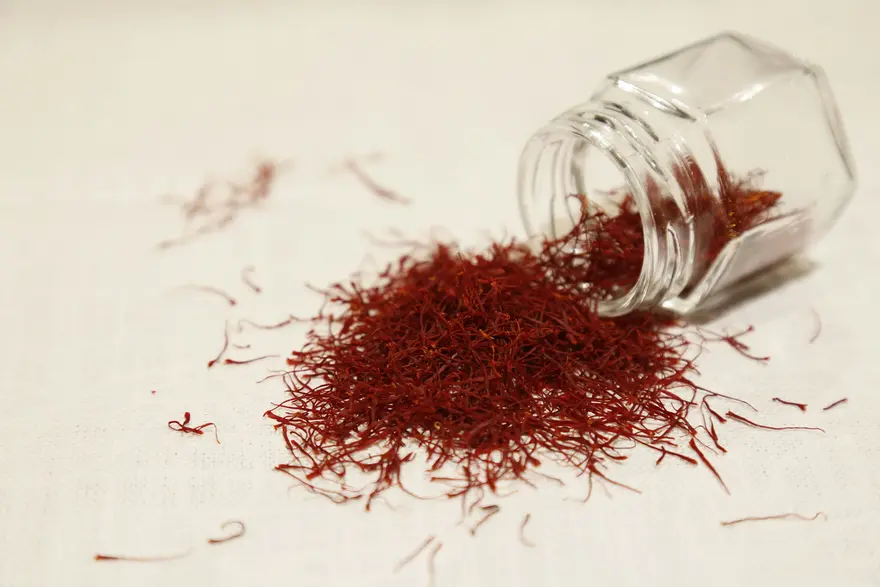
Health Benefits of Saffron: 9 Amazing Things You Need To Know About This Golden Spice
What Is Saffron? Saffron originates from the delicate purple flowers of Crocus sativus, commonly known as the saffron crocus. Each flower produces just three crimson stigmas, which are carefully hand-harvested and dried to create this extraordinary spice. The labour-intensive process explains why saffron commands premium prices worldwide. This golden spice contains powerful bioactive compounds, including crocin, crocetin, safranal, and picrocrocin. These natural chemicals give saffron its distinctive colour, aroma, and therapeutic properties. The World Health Organisation recognises saffron as a valuable medicinal plant with significant health-promoting potential. What makes saffron particularly fascinating is its dual nature as both a culinary delight and a natural medicine. Traditional healing systems across Asia and the Mediterranean have utilised saffron for thousands of years, treating everything from depression to digestive ailments. 9 Amazing Health Benefits of Saffron Here are 9 research-supported health benefits of saffron, from boosting mood and memory to supporting heart health, skin glow, and women’s wellness, showing why this golden spice is much more than just a flavouring in your kitchen. 1. Powerful Antioxidant Protection: Saffron delivers exceptional antioxidant benefits through its unique compound profile. Crocin and crocetin neutralise harmful free radicals that damage cells and accelerate ageing. Research demonstrates that regular saffron consumption have been shown in small studies to reduce oxidative stress markers, typically by 20–25%. 2. Natural Mood Enhancement: Clinical studies reveal impressive saffron benefits for mental health. A landmark trial published in the Journal of Affective Disorders found that 30 mg of saffron extract daily showed comparable effects to certain standard antidepressants (like fluoxetine) in mild to moderate depression for mild to moderate depression. Participants experienced significant mood improvements within just four weeks. 3. Anti-Inflammatory Properties: Chronic inflammation underlies numerous health conditions, from arthritis to heart disease. Saffron’s bioactive compounds, particularly crocin and safranal, help reduce inflammatory markers such as TNF-α and IL-6 in experimental models throughout the body, potentially lowering disease risk and promoting healing. 4. Cognitive Function Support: Emerging research suggests saffron may enhance memory and cognitive performance. Studies involving elderly participants with mild cognitive impairment suggest that saffron supplementation may improve memory and cognitive performance compared with placebo. 5. Cardiovascular Health Benefits: Saffron supports heart health through multiple mechanisms. It may help support healthy cholesterol levels, blood pressure regulation, and circulation. The antioxidants in saffron also protect blood vessels from damage caused by oxidative stress. 6. Weight Management Support: Research indicates that saffron may assist with healthy weight management by reducing appetite and curbing snacking behaviours. Participants in small clinical studies reported reduced snacking and improved satiety after saffron supplementation. 7. Eye Health Protection: The carotenoids in saffron, particularly crocin, may protect against age-related macular degeneration. Preliminary studies suggest saffron supplementation may modestly slow age-related macular degeneration progression affecting millions worldwide. 8. Blood Sugar Regulation: Saffron demonstrates promising effects on glucose metabolism. Research suggests saffron and its compounds may improve insulin sensitivity and glucose metabolism in experimental and early human studies, making it potentially beneficial for individuals managing diabetes. 9. Natural Cancer-Fighting Properties: Laboratory studies indicate saffron compounds can inhibit cancer cell proliferation in vitro; human clinical confirmation is lacking. While human trials remain limited, the preliminary research suggests saffron's anticancer potential warrants further investigation. Saffron: A Natural Anti-Inflammatory Inflammation serves as your body's natural defence mechanism, helping you fight infections and heal injuries. But when inflammation becomes chronic, it can quietly contribute to serious health problems like heart disease, diabetes, joint disorders, and even neurodegenerative conditions. Saffron’s potent anti-inflammatory properties offer a gentle, natural way to support your body alongside medical treatment and a healthy lifestyle. The key compounds in saffron, especially crocin and safranal, help by inhibiting pro-inflammatory markers such as TNF-α (tumour necrosis factor-alpha) and interleukin-1β (IL-1β). These molecules usually trigger inflammatory responses throughout the body. By reducing their activity and limiting oxidative stress, saffron helps calm systemic inflammation at the cellular level rather than just masking symptoms. Research suggests that saffron’s anti-inflammatory and antioxidant effects may be particularly helpful in conditions such as: Rheumatoid arthritis: May help ease joint inflammation and stiffness when combined with standard therapy. Metabolic syndrome: Could support better metabolic health by reducing low-grade chronic inflammation linked to obesity and insulin resistance. Inflammatory bowel conditions: Its soothing, anti-inflammatory action may help support gut health and comfort. Skin inflammation: Antioxidant and anti-inflammatory effects may benefit irritated, sensitive, or acne-prone skin when used appropriately in diet or skincare. While saffron is not a substitute for prescribed medicines, regular culinary use, such as in saffron milk, rice dishes, or herbal infusions, can be a supportive part of an overall anti-inflammatory lifestyle. A 2015 review in the Avicenna Journal of Phytomedicine reported that saffron (Crocus sativus) and its key compounds, crocin and safranal, have strong antioxidant and anti-inflammatory effects on the nervous system. It shows promising benefits for conditions like depression, Alzheimer’s disease, Parkinson’s disease, seizures, and memory impairments in animal and early human studies. How to Use Saffron in Your Diet Incorporating saffron into your daily routine doesn't require complex preparations. Here are practical ways to enjoy saffron benefits: Traditional Preparation Methods Soak before use: Soak saffron threads in warm water or milk for 10–15 minutes before adding them to any dish. This helps release maximum colour, aroma, and active compounds. Grind with a little sugar: Gently grind saffron threads with a pinch of sugar in a mortar and pestle. This creates a fine saffron powder that disperses evenly in milk, sweets, and savoury dishes. Enhance rice-based dishes: Add soaked or ground saffron to biryani, pulao, pilaf, or risotto for authentic flavour, a rich golden hue, and added antioxidant support. Modern Applications In smoothies and breakfast bowls: Blend a few soaked threads of saffron into smoothies with fruits, yoghurt, or oats for a fragrant, nutrient-rich morning boost. In herbal teas and infusions: Steep saffron with chamomile, green tea, or lemongrass for a calming herbal infusion that you can sip in the evening. In desserts and sweets: Mix saffron into kheer, phirni, puddings, ice cream, kulfi, or traditional Indian sweets to enhance both taste and aroma. Clinical research typically uses about 30 mg of saffron extract daily. In culinary form, this corresponds to approximately 10–15 threads (around 0.03 g), not grams. Remember that a little goes a long way with this potent spice. The saffron milk benefits deserve special mention. Traditional saffron milk, prepared by steeping threads in warm milk with a touch of honey, provides a soothing bedtime drink that may support relaxation and positive mood. Side Effects of Saffron While saffron is generally safe for most people, understanding potential side effects ensures responsible consumption. When used in typical culinary amounts, saffron rarely causes adverse reactions. However, consuming doses above 5 grams daily may cause toxicity and should be avoided. These can include nausea, vomiting, diarrhoea, dizziness, and, in rare cases, allergic reactions. Pregnant women should avoid large or supplemental doses of saffron, as high concentrations may stimulate uterine contractions. Some individuals may experience mild digestive upset when first introducing saffron to their diet. Starting with small amounts allows your system to adjust gradually. If you’re taking antidepressants, antihypertensives, or antidiabetic medications, consult your healthcare provider before using saffron supplements due to potential interactions to your routine. Quality matters significantly with saffron. Purchase from reputable suppliers to ensure authenticity and avoid adulterated products that may contain harmful additives. Conclusion Saffron is a powerful “golden spice” that can support mood, heart health, memory, skin, and overall well-being when used in small amounts as part of a balanced lifestyle. If you’re relying on saffron milk or other home remedies for issues like low energy, mood changes, irregular periods, or poor sleep, it’s equally important to understand what’s happening inside your body with the right tests. With 4000+ tests, comprehensive full body checkups, and strong speciality testing, you get clear, reliable insights into your health with Metropolis Healthcare. Convenient home sample collection from 10,000+ touchpoints, quick turnaround with accurate results, and easy booking via website, app, phone call, or WhatsApp make it simple to move from doubt to diagnosis. When your doctor advises hormone profiles, vitamin checks, heart panels, or other investigations, partnering with a trusted lab helps you combine traditional wisdom like saffron with evidence-based care for better long-term health. FAQs What are the health benefits of saffron? Saffron offers comprehensive health benefits, including antioxidant protection, mood enhancement, anti-inflammatory effects, cognitive support, cardiovascular health improvement, weight management assistance, eye health protection, blood sugar regulation, and potential anticancer properties. These saffron health benefits stem from its unique bioactive compounds that work synergistically throughout the body. Can saffron improve mood and mental health? Yes, clinical studies demonstrate that saffron can significantly improve mood and mental health. Research suggests that 30 mg of saffron extract daily shows comparable results to certain antidepressants in mild to moderate depression for treating mild to moderate depression. The saffron benefits for mental wellness include reduced anxiety, improved emotional stability, and enhanced overall psychological well-being. How much saffron should I consume daily? Most clinical studies support consuming 30 mg of saffron extract daily, equivalent to approximately 30 mg of saffron extract, or about 0.03 g of threads in culinary use. This amount provides optimal saffron benefits without risk of adverse effects. Never exceed 5 grams daily, as higher doses may cause toxicity. Always consult your healthcare provider for personalised recommendations based on your health status. Can saffron help with weight loss? Research indicates that saffron may support healthy weight management by reducing appetite and curbing snacking behaviours. Studies show participants experience increased satiety and reduced food cravings when consuming saffron supplements. However, saffron works best as part of a comprehensive approach, including balanced nutrition and regular exercise, rather than as a standalone weight loss solution. References https://pmc.ncbi.nlm.nih.gov/articles/PMC4599112/ https://www.webmd.com/vitamins/ai/ingredientmono-844/saffron

Hot Flashes: Causes, Treatment & When To See A Doctor
What Are Hot Flashes? Hot flashes are sudden, intense sensations of heat that primarily affect your upper body, including your face, neck, and chest. The hot flashes meaning encompasses these unexpected episodes that can occur day or night, often leaving you feeling flushed and perspiring heavily. During a hot flash, your blood vessels near the skin's surface dilate rapidly, causing the characteristic warmth and redness. This physiological response occurs when your body's internal thermostat, the hypothalamus, becomes overly sensitive to minor temperature changes. In medical terms, they're classified as vasomotor symptoms, indicating they involve changes in blood flow and temperature regulation. These episodes can strike without warning, whether you're at work, sleeping, or enjoying social activities. The intensity varies significantly between individuals, with some experiencing mild warmth whilst others endure severe, disruptive episodes that interfere with daily functioning. What Causes Hot Flashes? The primary cause of hot flashes is hormonal fluctuation, especially declining oestrogen levels, which affect the hypothalamic temperature-regulating centre. When oestrogen drops, your hypothalamus becomes hypersensitive, triggering cooling mechanisms even when your body temperature is normal. Several medical conditions can trigger hot flashes beyond hormonal changes. Hyperthyroidism, where your thyroid gland produces excessive hormones, can cause similar symptoms, including sudden heat sensations and sweating. Certain cancer treatments—especially chemotherapy, aromatase inhibitors, and anti-oestrogen therapies—commonly induce hot flashes as side effects. Other possible causes include certain antidepressants, opioids, corticosteroids, and medications for thyroid or diabetes control. Lifestyle factors also play a role; stress, anxiety, spicy foods, caffeine, alcohol, and smoking can all trigger or worsen hot flash episodes. Some women notice their symptoms intensify during emotional stress or in warm environments. Symptoms of Hot Flashes Recognising hot flash symptoms helps you identify and manage these episodes effectively. Common symptoms include: • Sudden warmth spreading across your face, neck, and chest • Intense sweating, particularly on your upper body • Skin flushing or blotchy redness • Rapid heartbeat or palpitations during episodes • Chills or shivering as the episode subsides • Anxiety or restlessness accompanying the physical symptoms • Sleep disruption when hot flashes occur at night The severity of hot flash symptoms varies considerably. Some women experience mild warmth lasting a few seconds, whilst others endure intense heat with profuse sweating for several minutes. Night sweats, hot flashes occurring during sleep, can be particularly disruptive, leading to frequent awakening and poor sleep quality. How Long Do Hot Flashes Last? Individual hot flash episodes typically last between one and five minutes, though some may be shorter or longer. The immediate discomfort usually peaks within the first minute before gradually subsiding. However, the overall duration of experiencing hot flashes varies dramatically between women. Research indicates that menopausal hot flashes last on average 4–7 years, though up to one-third of women may experience them for a decade or more, though some women experience them for over a decade. Factors influencing duration include genetics, lifestyle, overall health, and the specific cause of your hot flashes. For women experiencing hot flashes due to cancer treatment, episodes may continue throughout therapy and for months or years afterwards. Those with hyperthyroidism often find their symptoms resolve once thyroid function normalises with appropriate treatment. When Do Hot Flashes Occur? Hot flashes can occur at various times, with certain patterns emerging: • During menopause transition (perimenopause and postmenopause). • At night, causing sleep disruption through night sweats. • Following specific triggers like spicy meals, hot beverages, or alcohol consumption. • During stressful situations or periods of emotional intensity. • In warm environments or after physical exertion. • After certain medications or medical treatments. Understanding your personal triggers helps predict and potentially prevent some episodes. Many women notice their hot flashes follow predictable patterns, such as occurring more frequently in the evening or after consuming particular foods or drinks. According to the National Institutes of Health (NIH), hot flashes are the most common menopausal vasomotor symptom, affecting up to 74% of perimenopausal women, with 65% experiencing them for more than 2 years and 36% for more than 5 years. Tests Used to Diagnose the Cause of Hot Flashes Healthcare providers use several diagnostic approaches to determine what's causing your hot flashes: • Comprehensive medical history: Reviewing symptoms, medications, and family history. • Physical examination: To assess overall health and identify potential causes. • Blood tests: To evaluate hormone levels, thyroid function, and other markers. • Thyroid function tests: To rule out hyperthyroidism or other thyroid disorders. • Hormone level assessments: Including oestrogen and follicle-stimulating hormone (FSH). • Additional blood tests: If cancer, infection, or other conditions are suspected. Blood tests play a crucial role in diagnosis, helping identify whether hormonal changes, thyroid dysfunction, or other medical conditions are responsible for your symptoms. Your doctor may also review current medications to determine if any could be contributing to your hot flashes. How to Treat Hot Flashes Effective hot flash treatment involves a comprehensive approach combining lifestyle modifications and medical interventions: Identify and avoid personal triggers such as spicy foods, caffeine, alcohol, and hot environments. Dress in layers using breathable, natural fabrics that you can remove as needed. Maintain a cool environment with fans, air conditioning, or open windows. Practise stress management through meditation, deep breathing, or yoga. Exercise regularly to improve overall health and potentially reduce symptom severity. Maintain a healthy weight, as excess weight can worsen hot flash frequency and intensity. Consider medical treatments if lifestyle changes prove insufficient. The most effective hot flash treatment plans are personalised, addressing your specific triggers and circumstances. Working with your healthcare provider ensures you receive appropriate guidance for your situation. Medications for Hot Flashes Several medication options can provide significant relief from hot flashes: • Hormone replacement therapy (HRT): Oestrogen alone for women without a uterus, or combined oestrogen-progesterone therapy for women with an intact uterus. • Low-dose antidepressants: Such as venlafaxine, paroxetine, or escitalopram, which have been shown to reduce hot flash frequency, which can reduce hot flash frequency. • Gabapentin: Particularly effective for night sweats and sleep-related symptoms. • Clonidine: A blood pressure medication that may reduce hot flashes but can cause side effects such as dry mouth or dizziness. • Selective oestrogen receptor modulators (SERMs): For specific situations. • Targeted treatments: For underlying conditions like hyperthyroidism or cancer. Your doctor will consider your medical history, current health status, and personal preferences when recommending medication options for hot flash treatment. Natural Remedies for Hot Flashes Many women find relief through natural approaches and lifestyle modifications: • Cooling techniques: Including cold drinks, ice packs, or cooling towels. • Breathable clothing: Wearing clothes made from cotton or moisture-wicking materials. • Mind-body practices: Such as yoga, tai chi, or meditation. • Dietary modifications: Focus on whole foods whilst avoiding known triggers. • Herbal supplements: Such as black cohosh or red clover, though evidence remains inconsistent and safety during long-term use is uncertain • Regular moderate exercise: Helps improve mood, sleep, and overall health, though its direct effect on hot flashes varies between individuals. Natural remedies work best when combined with medical guidance, ensuring safety and effectiveness for your specific situation. When Should You See a Doctor for Hot Flashes? Consult your healthcare provider if your hot flashes significantly impact your daily life, sleep, or emotional well-being. Seek medical attention if episodes begin suddenly before age 40 or after age 60, as this may indicate underlying medical conditions requiring evaluation. You should also see a doctor if hot flashes occur alongside other concerning symptoms like unexplained weight loss, severe palpitations, persistent fatigue, or unusual bleeding. These combinations may suggest conditions like hyperthyroidism, cancer, or other serious health issues requiring prompt medical assessment. Don't hesitate to discuss hot flash treatment options with your doctor, even if symptoms seem manageable. Early intervention often prevents worsening and significantly improves your quality of life. How Hot Flashes Can Impact Daily Life Hot flashes can profoundly affect your personal and professional life, causing embarrassment, discomfort, and disruption to daily activities. Many women report avoiding social situations, struggling with concentration at work, or feeling self-conscious about visible sweating and flushing. Sleep disruption from night sweats creates a cascade of problems, including daytime fatigue, mood changes, and reduced cognitive function. Research shows that severe hot flashes can contribute to anxiety, depression, and decreased overall life satisfaction. The unpredictable nature of hot flashes often creates anticipatory anxiety, where fear of experiencing an episode in public leads to social withdrawal or lifestyle restrictions. Understanding that effective treatments exist can help restore confidence and normal functioning. Hot Flashes During Menopause Menopause represents the most common cause of hot flashes, affecting up to 80% of women during this life transition. The declining oestrogen levels characteristic of menopause directly trigger the hypothalamic sensitivity responsible for hot flash episodes. During menopause, hot flashes typically begin during perimenopause, the years leading up to your final menstrual period, and may continue for years afterwards. The frequency and intensity often peak in the first year after menopause before gradually decreasing for most women. Menopausal hot flashes frequently occur alongside other symptoms like mood changes, sleep disturbances, and vaginal dryness. Comprehensive menopause management addresses all these symptoms together for optimal results. Conclusion Hot flashes can be uncomfortable and disruptive, but they are manageable when you identify the cause and seek timely care. Lifestyle changes, medical treatments, and timely guidance from a doctor bring significant relief. Paying attention to persistent or severe symptoms demands early intervention. It helps maintain comfort, confidence, and overall well-being during hormonal changes. If your doctor advises hormone tests, a thyroid profile, or other blood tests, choosing a trusted lab matters. Metropolis Healthcare offers 4000+ tests, comprehensive full body checkups, and speciality testing, supported by accurate results, quick turnaround, and a strong home sample collection network with 10,000+ touchpoints. You can book easily via website, app, phone call, or WhatsApp, making it simpler to get the answers you need and work with your doctor on the right treatment plan for your hot flashes. FAQs What causes hot flashes? Hot flashes result primarily from declining oestrogen levels that make your brain's temperature control centre hypersensitive. Other causes include thyroid disorders, cancer treatments (especially hormonal therapy), certain medications, and stress-related factors, and lifestyle triggers like stress, spicy foods, or alcohol consumption. Can hot flashes be treated? Yes, effective hot flash treatment options include lifestyle modifications, hormone replacement therapy, non-hormonal medications, and natural remedies. The best approach depends on your individual circumstances, health history, and symptom severity. Are hot flashes a sign of menopause? Hot flashes are the most common symptom of menopause, experienced by the majority of women during this transition. However, they can also occur due to other causes like hyperthyroidism, cancer treatments, or certain medications. How can I stop hot flashes at night? To reduce nighttime hot flashes: • Keep your bedroom cool with fans or air conditioning. • Use lightweight, breathable bedding and sleepwear. • Avoid triggers like alcohol, spicy foods, or hot drinks before bedtime. • Practise relaxation techniques to reduce stress and promote better sleep. • Limit alcohol and nicotine use, which can exacerbate nighttime hot flashes How long do hot flashes last? Individual episodes typically last one to five minutes, whilst the overall period of experiencing hot flashes averages seven years during menopause. Duration varies significantly based on individual factors and underlying causes. References https://www.mayoclinic.org/diseases-conditions/hot-flashes/symptoms-causes/syc-20352790 https://www.webmd.com/menopause/guide/menopause-hot-flashes https://www.healthline.com/health/menopause/hot-flashes https://www.menopause.org/for-women/menopauseflashes/menopause-symptoms-and-treatments/hot-flashes https://www.ncbi.nlm.nih.gov/books/NBK539827/
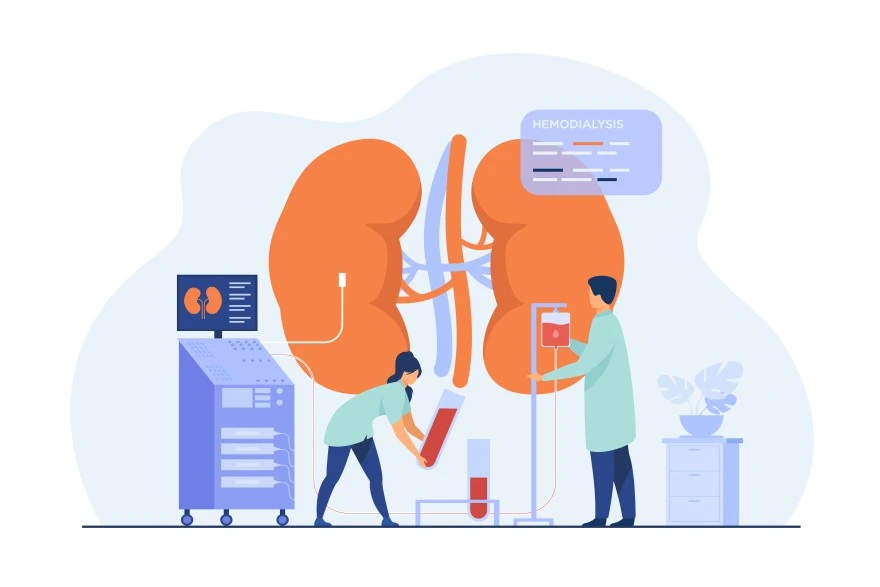
Hemolytic Uremic Syndrome: Causes, Signs & Lifesaving Treatments
What is Hemolytic Uremic Syndrome (HUS)? Hemolytic Uremic Syndrome (HUS) is a rare but serious condition that causes destruction of red blood cells, low platelets (thrombocytopenia), and sudden kidney injury. Hemolytic uremic syndrome most often follows a bacterial infection (commonly E. coli) that releases toxins damaging blood vessel linings, especially in the kidneys. These damaged vessels cause tiny clots to form, leading to the breakdown of red cells, a drop in platelets, and reduced kidney filtration. While it can affect anyone, Hemolytic uremic syndrome is most common in children under 5 years, older adults, and people with weakened immune systems. Early detection and treatment in hospital settings are crucial to prevent serious complications such as kidney failure, seizures, or multi-organ damage. How Hemolytic Uremic Syndrome Affects the Body When the toxin-triggered damage occurs in small blood vessels, the body’s red blood cells are destroyed as they pass through these narrowed vessels. This process, called microangiopathic Hemolytic anaemia, leads to fatigue and pallor. At the same time, platelets are consumed to form small clots throughout the bloodstream, leading to thrombocytopenia and increased bleeding risk. The kidneys, which filter the blood, become blocked by these clots, resulting in acute kidney injury or even kidney failure. In severe forms of Hemolytic uremic syndrome, other organs, such as the brain, pancreas, and heart, may also be affected due to reduced oxygen and blood flow. Causes of Hemolytic Uremic Syndrome According to the National Institutes of Health (NIH), most cases of Hemolytic uremic syndrome (HUS) are classified as either typical or atypical forms, depending on the underlying cause and trigger. Typical HUS (D+ HUS) – occurs after a diarrhoeal illness caused by E. coli O157:H7 or other Shiga-toxin-producing bacteria. Atypical HUS (aHUS) – results from genetic or autoimmune abnormalities in the body’s complement system (a part of the immune system that helps fight infections) or secondary causes such as medications, pregnancy, or autoimmune diseases. Common Hemolytic uremic syndrome causes include: E. coli infection from undercooked meat, unpasteurised milk, or contaminated water Certain viral infections Genetic mutations affecting complement proteins Medications (e.g., some chemotherapy or immunosuppressive drugs) Autoimmune diseases (such as lupus) Pregnancy-related vascular changes Post-organ transplant immune reactions Risk Factors Anyone can develop HUS, but certain groups are more vulnerable due to age, immune status, or exposure to infection. Recognising these risks helps in early prevention and timely medical attention. People are more likely to develop Hemolytic uremic syndrome if they: Are young children, particularly under 5 years of age, whose immune and kidney systems are still developing. Are older adults or have weakened immunity from chronic illness, medication, or organ transplant. Have had a recent episode of bloody diarrhoea or gastroenteritis, especially caused by E. coli infection. Eat undercooked or raw beef, unpasteurised milk or juice, or contaminated fruits and vegetables. Have a family history of atypical Hemolytic uremic syndrome, linked to genetic complement pathway defects. Are pregnant or recently delivered, as hormonal and vascular changes can occasionally trigger postpartum Hemolytic uremic syndrome. Signs & Symptoms of Hemolytic Uremic Syndrome Hemolytic Uremic Syndrome (HUS) symptoms usually appear a few days after diarrhoea, vomiting, or fever. They develop as the body’s red blood cells and platelets decline, and kidney function worsens. Common Hemolytic uremic syndrome symptoms include: Pale or yellowish skin, fatigue, or unexplained weakness Reduced urination or dark-coloured urine Blood in urine Swelling of the face, hands, or feet Easy bruising, nosebleeds, or small purple skin spots (from thrombocytopenia) Abdominal pain, nausea, and vomiting Fever and irritability in children Confusion, seizures, or drowsiness in severe cases Complications of Hemolytic Uremic Syndrome Without timely treatment for Hemolytic uremic syndrome (HUS), it can cause serious and even life-threatening complications. Acute kidney injury leading to decreased urine output, fluid overload, and uremia. Chronic kidney disease or progression to end-stage renal disease requiring dialysis or transplantation. Hypertension and related neurological effects such as seizures or irritability due to kidney damage Neurological complications, including stroke, coma, or altered mental status. Cardiac abnormalities, including heart failure and pulmonary hypertension in severe cases. Pancreatitis or elevated liver enzymes Hemolytic anaemia with severe fatigue Death in advanced, untreated cases (though survival is high with modern care) How Hemolytic Uremic Syndrome is Diagnosed Doctors diagnose Hemolytic uremic syndrome through a combination of medical history, physical examination, and laboratory tests that assess red blood cell destruction, platelet levels, and kidney function. Diagnostic steps for Hemolytic uremic syndrome include: Complete Blood Count (CBC): Checks for anaemia and thrombocytopenia. Peripheral smear: Identifies fragmented red cells (schistocytes). Kidney function tests: Elevated urea and creatinine levels indicate impaired filtration. Urine tests: Detects blood or protein in urine. Stool test: Identifies E. coli or Shiga toxin. Complement levels (C3, C4): For suspected atypical Hemolytic uremic syndrome. Genetic testing: Confirms inherited complement mutations. Imaging (ultrasound): Assesses kidney size and blood flow Treatment & Lifesaving Measures The most efficient Hemolytic uremic syndrome treatment is hospital-based and focuses on stabilising the patient, supporting kidney and organ recovery, and preventing recurrence. Management differs slightly between typical Hemolytic uremic syndrome (infection-related) and atypical Hemolytic uremic syndrome (immune-mediated or genetic). 1. Hospitalisation & Supportive Care The first priority in treating Hemolytic uremic syndrome (HUS) is to restore fluid and electrolyte balance and prevent further kidney damage. Fluid balance and electrolytes: Carefully monitored intravenous fluids maintain hydration and help restore circulation without overloading the kidneys. Blood transfusions: Given to correct anaemia and support oxygen delivery if red blood cells are severely destroyed. Blood pressure control: Essential to protect kidney and heart function. Nutritional support: A temporary low-protein, low-salt diet reduces the strain on injured kidneys. Monitoring urine output and weight: Helps clinicians assess kidney recovery and guide fluid management. 2. Dialysis If kidney function worsens or urine output stops in Hemolytic uremic syndrome (HUS), dialysis becomes a lifesaving intervention. It helps remove toxins, balance electrolytes, and prevent dangerous fluid overload while the kidneys recover from injury. Most children and adults with Hemolytic uremic syndrome regain near-normal kidney function within a few weeks. However, some may experience chronic kidney impairment and require long-term follow-up with a nephrologist to monitor renal health and blood pressure. 3. Medications For atypical Hemolytic uremic syndrome (aHUS) or non-E. coli forms, targeted medicines are used to control immune dysfunction and halt vascular injury: Eculizumab (monoclonal antibody): Blocks complement activation responsible for continued endothelial damage. Plasma exchange or infusion: Replaces defective complement proteins and removes harmful antibodies. Corticosteroids: Used when autoimmune processes are suspected. Antibiotics: Generally not recommended for E. coli-related HUS, as they may worsen toxin release, but may be indicated for other bacterial causes. Antihypertensive drugs: Control high blood pressure caused by kidney injury and fluid overload. 4. Monitoring & Follow-Up Recovery from Hemolytic uremic syndrome requires continued medical supervision even after discharge. Regular follow-up helps detect late complications and ensure full recovery. Kidney function tests: (Serum creatinine, urea, and urine analysis) to assess ongoing recovery. Blood pressure checks: To monitor for post-Hemolytic uremic syndrome hypertension. Urine protein testing: Screens for early signs of chronic kidney disease. Paediatric nephrology reviews: Every 6–12 months for children recovering from Hemolytic uremic syndrome. Vaccination updates: Especially meningococcal vaccination before starting Eculizumab, as this drug can increase infection risk. Prevention of Hemolytic Uremic Syndrome While not all cases of Hemolytic uremic syndrome (HUS) can be prevented, especially genetic or immune-mediated types, the majority linked to E. coli infection are avoidable through hygiene and food safety measures. Wash hands thoroughly before eating or cooking. Avoid undercooked or raw meat — cook beef until juices run clear. Use separate chopping boards for raw meat and vegetables. Avoid unpasteurised milk or dairy products. Wash fruits and vegetables well under running water. Drink only safe, treated water when travelling. Avoid swallowing pool or lake water. Teach children good hygiene after using the toilet or handling animals. Conclusion Hemolytic uremic syndrome (HUS) is a serious but treatable condition when recognised early. Typical HUS follows E. coli diarrhoeal illness, while atypical Hemolytic uremic syndrome stems from genetic or immune factors. With modern advances such as eculizumab therapy, dialysis support, and accurate genetic testing, most patients recover well. If you or a loved one develops signs such as reduced urination, blood in urine, unusual fatigue, or swelling, seek immediate medical attention. Metropolis Healthcare offers specialised diagnostic panels for renal function and infection screening, supported by 4,000+ tests, 10,000 home-collection points, and rapid digital reporting via app, website, and WhatsApp. FAQs What triggers Hemolytic uremic syndrome most commonly? Most Hemolytic uremic syndrome (HUS) cases are triggered by E. coli O157:H7 infection, particularly after eating undercooked beef or contaminated food. Atypical forms of Hemolytic uremic syndrome can arise from genetic complement system abnormalities, autoimmune conditions, or certain medications. Can Hemolytic uremic syndrome be fatal? Yes, if untreated, Hemolytic uremic syndrome can cause kidney failure and multi-organ damage. However, with early hospitalisation and modern treatments, survival rates exceed 90%, especially in children. How is Hemolytic uremic syndrome treated at home? Hemolytic uremic syndrome cannot be managed at home. It requires immediate medical care, often hospitalisation, dialysis, and specialised monitoring. Home care focuses on post-recovery nutrition, hydration, and follow-up appointments under doctor supervision. Are children more at risk for Hemolytic uremic syndrome? Yes. Children under five are most vulnerable to Hemolytic uremic syndrome, as their immune and renal systems are still developing. They are also more prone to foodborne E. coli infections from improper hygiene or contaminated foods. Can Hemolytic uremic syndrome cause long-term kidney problems? Yes. Around 10–30% of Hemolytic uremic syndrome survivors may develop chronic kidney disease, high blood pressure, or proteinuria in later life. Regular nephrology follow-up and healthy lifestyle habits are essential for long-term kidney protection. References https://my.clevelandclinic.org/health/diseases/16470-hemolytic-uremic-syndrome https://www.ncbi.nlm.nih.gov/books/NBK556038/ NCBI https://www.niddk.nih.gov/health-information/kidney-disease/children/hemolytic-uremic-syndrome NIDDK https://pubmed.ncbi.nlm.nih.gov/32310498/ PubMed https://www.indianpediatrics.net/aug2020/744.pdf indianpediatrics.net https://indianjnephrol.org/eculizumab-for-atypical-hemolytic-uremic-syndrome-guidance-for-developing-countries/ Indian Journal of Nephrology https://pubmed.ncbi.nlm.nih.gov/24526222/ PubMed https://www.icmr.gov.in/icmrobject/uploads/STWs/1725952348_nephrology_acute_kidney_injury.pdf