 Home Visit
 Upload






Latest Blogs
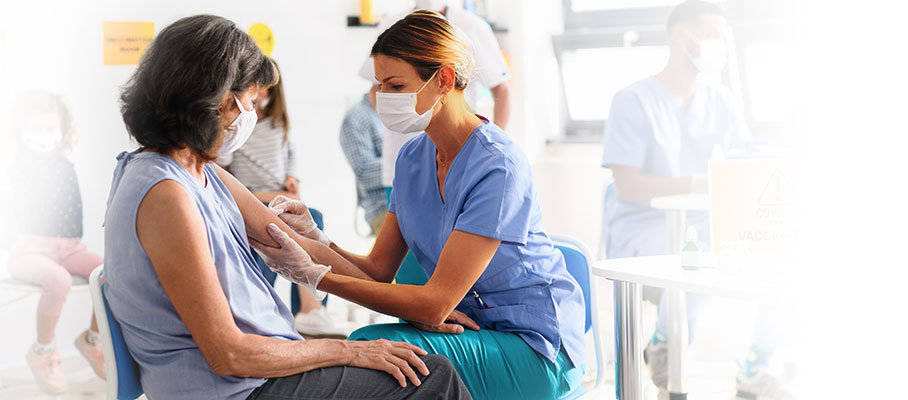
Got your COVID Vaccine? Here’s What you should do next
Since the onset of COVID-19, people around the world are taking all the necessary steps to ensure that they come out safer and stronger with each wave. Increased spreading of the virus, no ideal medicinal protocol and the emergence of several new variants are still the most difficult tasks in managing the pandemic. One of the best possible ways to safeguard yourself from the clutches of this global pandemic is to get your loved ones and yourself vaccinated. After a tiresome wait, the world now has access to multiple COVID-19 vaccines. The vaccines available in the market are proven effective in preventing coronavirus infection, reducing its severity and eventually reducing the risk of people spreading it. Check how your body has responded to COVID vaccination with COVIPROTECT test. Are you fully vaccinated? Generally, you would be considered fully vaccinated after two weeks of getting the second dose in a two dose series vaccine. The vaccine enters the body and trains your immune system to recognize and fight this virus. It is said to start working after two weeks because it takes time for your body to build antibodies against the virus. Some fully vaccinated people might get COVID infection, however, the severity of disease remains fairly low. Also, if someone is on a medical prescription that affects their immune system, they may not be fully protected even after getting fully vaccinated, since their immune system is already compromised. Hence for such people, taking necessary precautions is a must continuously. Getting some side effects is fine! You can expect minor side effects after getting injected, some of them include: Pain and swelling on the arm that received the vaccine Feeling cold or having a mild fever Fatigue and body ache Headache Muscle and joint pain You may feel uneasy or have some mild side effects after getting your jabs, but there is nothing to panic, it is just a sign that your body is building protection. While these effects may cause uneasiness or pain, they are temporary and should go away in a few days’ time. Some people don’t experience any side effects; there is actually no harm in that as well. As you get vaccinated upon your turn, you must know and follow the safety guidelines before and after your shot because it has now become necessary that we are at our preventive best. What to do after getting vaccinated? While those of us who have gotten vaccinated know the procedure of staying at the vaccination centre for 20-30 minutes, it is usually to check that we aren’t developing or experiencing any side effects. Severe side effects might be rare but they can include itching, fainting, vomiting, some allergic or counter reaction to the injection, difficulty in breathing etc. The waiting period is meant to help you in times like these so that you have a qualified helping hand immediately at your disposal. Currently being fully vaccinated is a big achievement for us, our family and our community because by getting vaccinated we are not only protecting ourselves but our loved ones around us too. Now, when you are vaccinated, remember this might hamper your ability to perform your daily activities for the next 2-3 days. Some people may develop mild fever or redness and a slight tingling sensation at the site of the injection, you can take a paracetamol to calm that pain and sensation. After getting vaccinated, even if you aren’t able to relate to any of these symptoms, it is important to keep yourself fully hydrated and drink lots of fluids. If the pain or fever persists, you may consult your doctor. If you feel your arm is aching and want to reduce that pain, you may apply a cool and clean cloth over the injected area, to help ease the discomfort. Avoid drinking alcohol and smoking for at least 2-3 days after getting vaccinated. Wear light clothes and swing your arm a little to avoid inflammation. Download your vaccination certificate and keep it safely with you, digitally or in hard copy. The vaccine is a shield against the coronavirus; it is very important and can’t be stressed enough that even after getting fully vaccinated, you have to remember to continue taking preventive measures, especially in crowded places. Also, antibodies do not develop immediately after the first or second dose, hence there can be no leniency in following the COVID safety protocols. Antibodies against COVID-19 can be detected in your body for months. Even if the antibody counts decline, there is no need to worry. Because your white blood cells multiply rapidly to produce more white blood cells and antibodies whenever a COVID-19 virus infects your body again. It is important to receive a full course of vaccination to achieve this kind of immunity. So, continue to follow these for self protection: Wear a mask when stepping out of your house Carry a hand sanitizer with you always and wash your hands for a minimum of 20 seconds as often as you can Maintain social distancing to prevent the virus from being transmitted to others or from others Many people out there are still skeptical about getting vaccinated, knowing the mild symptoms that follow after being given the shot, it is quite natural but understanding some do’s and don’ts after getting vaccinated helps a lot. If you are fully vaccinated, you might resume activities that you used to do before the pandemic, you can also travel following the state or the local government’s rules and regulations. All of us want to go back to our normal lives especially after how the last year has passed. But in order to do that, we must get fully vaccinated to stay safe and sail through life during the pandemic. Stay updated on the evolving COVID-19 situation—learn all about the JN.1 variant. Stay safe! Stay strong!
Antibody Test After COVID Vaccine: Making Sense of the Results
As more and more people are getting vaccinated against COVID-19 across the country and restrictions being relaxed, there has been a rise in the demand for COVID-19 antibody tests. Although antibody tests are typically taken after a person recovers from COVID-19, some people are now taking them prior to getting vaccinated, while some are getting the tests done after receiving the vaccination, to check the effectiveness of vaccines, and their potential against mutant viral strains. You may also be tempted to take an antibody test to check out whether your COVID vaccine was successful or not. However, there are mixed thoughts by doctors on whether antibody testing after vaccination would offer you any benefit or not. What is a COVID antibody test? Diagnostic tests for COVID-19, such as polymerase chain reaction (PCR) can detect the viral genetic material present in the mucus and saliva whereas antibody tests, also known as serological tests can detect whether or not a person has been previously exposed to the virus or has recovered from the infection. It has been estimated that these antibodies typically can be found seven to 11 days after infection. Antibody tests typically measure two proteins created by the immune system- IgG and IgM. They can aid in evaluating the level of protective immunity an individual may have. This, in turn, is prompting people to undergo antibody testing after COVID-19 vaccination. How are antibody tests performed? Antibody tests are performed by drawing a blood sample from an individual, which is examined in a laboratory to check if the antibodies to COVID-19 are present or not. What an antibody test can and can’t signify? A positive antibody test is a sign that your immune system has fought off the virus either recently or in the past whereas a negative result signifies that there were not sufficient antibodies in your blood to diagnose an earlier COVID-19 infection or exposure. Food and Drug Administration (FDA) suggests that currently authorized SARS-CoV-2 antibody tests should not be used to determine a person’s level of immunity or protection from COVID-19 at any time and particularly after the person has received a COVID-19 vaccination. It is debatable and warrants further studies to appraise how long antibodies stay around in an individual’s body after getting infected with the coronavirus, or how much protective immunity those antibodies can provide. Investigators have suggested that the available COVID-19 vaccines target the SARS-CoV-2 spike protein, so unless the antibody test is checking for antibodies specific to that protein, the outcome of the test does not hold any specific benefit. On the contrary, the majority of laboratories usually test for anti-nucleocapsid antibodies, which are produced by natural infection rather than created by the vaccine. Metropolis COVIPROTECT test looks for anti-SARS-CoV2 spike proteins specifically. Book here. FDA recommendations regarding antibody testing If you have not been vaccinated: A positive result from an antibody test does not specify that you have a specific amount of immunity or protection from SARS-CoV-2 infection If your lab test shows a positive test result on a SARS-CoV-2 antibody test, it may suggest that you were previously infected with the SARS-CoV-2 virus Always talk to your doctor about the meaning of your SARS-CoV-2 antibody test results. If you have been vaccinated: If you have a positive result on a SARS-CoV-2 antibody test, possibility is that you may have been previously infected with SARS-CoV-2 A COVID-19 vaccination may also lead to a positive antibody test result for few but not all antibody tests However, you should not deduce the results of your positive SARS-CoV-2 antibody test as a sign of a specific level of immunity or protection from SARS-CoV-2 infection Talk to your doctor if you have queries about whether an antibody test is the correct test for you. Possible Risks of Inappropriately Using SARS-CoV-2 Antibody Test Results Currently authorized SARS-CoV-2 antibody tests results should not be used to calculate an individual’s level of immunity or protection from COVID-19 infection. If you misinterpret the results of the antibody test as an indication of a particular level of immunity or protection from SARS-CoV-2 infection, it increases the risk that you may get careless and take fewer precautions against SARS-CoV-2 exposure. This negligence in turn, can increase your risk of acquiring and subsequently unknowingly spreading the COVID-19 infection. Bottom line Antibody tests are an appropriate tool to check if you have been previously infected with coronavirus as many patients are recorded as asymptomatic. However, if you take COVID-19 vaccinations, these tests may not always be advantageous in measuring your body’s immune response and or protection. This is particularly true for patients with compromised immune systems. Research is undergoing to evaluate who is at risk for a low antibody response and how these issues can be improved upon. Still, COVID vaccination is your biggest weapon against the possible third wave of pandemic. Make sure you get your jab and keep following all precautions at all times.
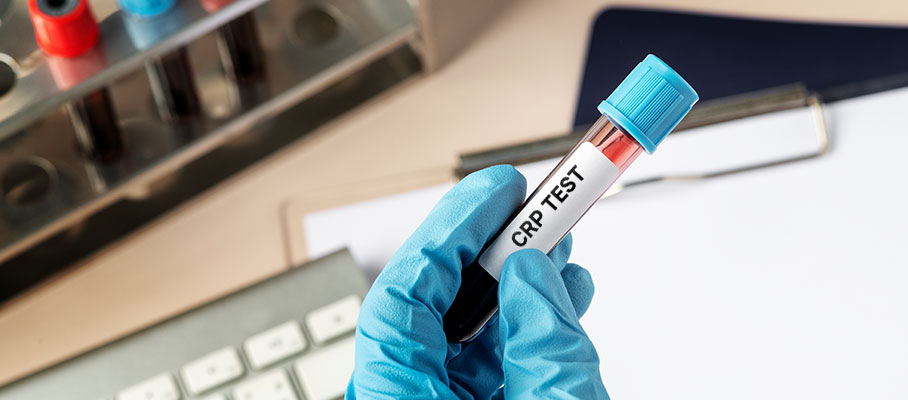
CRP Test (C Reactive Protein) in COVID-19: All You Need to Know
CRP Test: The Basics CRP stands for C reactive protein, which is a protein molecule made by the liver. Usually in a healthy person, the CRP levels in the blood are low. However, if there is an inflammatory condition in the body, CRP levels rise. A C reactive protein test measures the levels of CRP in the blood. This can help detect inflammation due to acute health conditions or monitor the disease severity in chronic conditions, including: Bacterial infections, such as sepsis Fungal infections Inflammatory bowel disease Autoimmune conditions like lupus or rheumatoid arthritis The CRP test has found an important role in COVID monitoring. Got COVID-19 and caring at home? Do get your health parameters checked with our extensive COVID monitoring profile. At times, high CRP levels may be a sign of a serious infection or other condition. What Type of Symptoms May Warrant a CRP test? Your doctor may advise you to get a CRP test if you have symptoms of an underlying inflammation or bacterial infection. Symptoms may include: Fever Chills Rapid breathing or heart rate Nausea and vomiting Role of CRP Test in COVID-19 Based on worldwide data and recommendations from experts, CRP test has become a requisite for people with COVID-19 admitted in hospitals. What is most significant is that elevated levels of CRP may help in early detection of cases that can progress into severe COVID-19. Though coronavirus is a respiratory virus that replicates in the nose, throat, and lungs, moderate or severe disease can cause hyperinflammation in the body. This dysregulated immune response can be lethal. Hence, keeping a track of inflammatory markers like CRP becomes crucial. Normally, CRP level in blood is less than 5 mg/L. According to a study that looked at the clinical characteristics of people with COVID-19, a significantly elevated CRP levels (average 20 to 50 mg/L) were seen in COVID‐19 cases. People who had severe COVID-19 had a far elevated CRP level as compared to the people with mild disease. CRP elevations were observed in up to 86% in severe COVID‐19 cases. Another study reported that while those who had severe symptoms had on average CRP levels of 39.4 mg/L, those with mild symptoms had an average CRP levels of 18.8 mg/L. Other evidence has also shown that CRP is increased at the initial stages in the moderate or severe group than those in the mild group. The authors also observed that the chances of developing severe symptoms is increased by 5% for every one‐unit rise in CRP levels in people with COVID‐19. High CRP levels in COVID-19 cases can indicate the need for hospitalization and advanced treatment modalities. In a study, people who died from COVID‐19 had about 10 fold higher levels of CRP than those who recovered. C reactive protein Test can pinpoint which COVID cases should get steroids. People with low CRP levels or (no elevation in CRP levels) can be highly likely to recover with just symptomatic treatment, as seen in clinical scenarios. How Long Does CRP Levels Take To Normalize? Usual levels of C reactive protein in blood is less than 5 mg/L. Within 4-6 hours of the inflammatory stimulus, secretion of CRP starts rising, which doubles every 8 hours and peaks within 36 – 72 hours, and returns to normal around 3 days after the stimulus settles down. Hence, your doctor may advise you to repeat CRP after 3 days in COVID-19 if the levels in the previous CRP test were higher, to see if the infection is progressive or dwindling. What Do The Test Results Mean? A high level of C reactive protein means you have some type of inflammation in your body. However, a CRP test does not detect or explain the cause or location of the inflammation. Your doctor may order more tests to figure out what’s causing the inflammation. Please note that CRP levels rise in any inflammatory process, and not just COVID-19. Also, some other factors can raise your CRP levels too, such as cigarette smoking, obesity, and lack of physical activity. Are CRP and Hs-CRP Tests the Same? A CRP test is many times confused with a high-sensitivity-(hs) CRP test. However, they are not exactly the same. Both these tests measure CRP levels, but are used to diagnose different conditions. An hs-CRP test measures much lower C reactive protein concentrations and is used to assess risk of heart disease. Stay informed and take informed decisions about your health tests.
Recovered from COVID? Post COVID care and health tests you must take
If you have just recovered from COVID-19, it will be unwise to let your guard down as an ever-increasing number of patients are continuing to experience symptoms after their initial recovery from the disease. COVID-19, caused by SARS-CoV-2, is relatively a new disease, with fresh data being collected on a dynamic basis about the course of the disease, especially in terms of patients being declared “cured”. Evidence demonstrates that most individuals after COVID infection do gain sufficient antibodies which can prevent their chances of reinfection. However, it is still inconclusive as to how long this immunity lasts. Various cases have been reported where patients have been re-infected. Hence, post-COVID care becomes more important, especially to those who belong to a high-risk category or are not able to take enough preventive measures to additionally protect their immune system. Guidelines recommending adequate preventive measures such as wearing a face mask, washing hands regularly and practicing social distancing should be strictly followed by such patients who have even recovered from the infection. When is a COVID-19 patient considered “cured” and can resume his normal life? According to CDC, adults with mild to moderate COVID-19 remain infectious no longer than 10 days after symptom onset. Most adults with more severe to critical illness or severe immunocompromised likely remain infectious no longer than 20 days after symptom onset. A patient can resume his routine activities while maintaining COVID-appropriate behaviour on the basis of the extent of damage of lungs and other tissues. The recovery period is likely to be longer for patients who suffered from more severe forms of the disease and those with pre-existing illnesses. What are the complications experienced by a post-COVID patient? Recovered patients after acute COVID-19 illness may continue to experience various signs and symptoms including fatigue, body ache, cough, sore throat, difficulty in breathing, etc. Some of the complications seen in patients include deleterious effects on lungs, kidneys, heart, and manifestation of black fungal infection, known as mucormycosis. Therefore, a holistic approach is essential for follow up care and well-being of post-COVID recovering patients. Post-COVID Follow Up Care Nutritious diet Eating a balanced nutritious diet, rich in immune boosting vitamins and minerals including fruits, vegetables, eggs and safe poultry is of utmost importance to speed up recovery Some patients experience unexplained weight loss or weight gain, hence, weight adequate calories must be provided according to the patient’s nutritional status Intake of protein is recommended to be 1.2-1.3 g/kg per day along with the increase in the supplementation of branched-chain amino acids to 50%, in order to prevent muscle loss and enhance the strength of respiratory muscles. Keep yourself hydrated Drink plenty of fluids. Recommendations suggest that drinking warm water can be helpful for patients with scratchy throat or dry cough as it improves circulation and reduces nasal congestion Addition of anti-inflammatory agents like honey or herbs like “mulethi” in kadhas and other concoctions can additionally aid in immunity. Rest, exercise and meditation Your body is still weak and susceptible to infections and complications after COVID-19 infection Taking proper rest and sleep can help your body recover faster Do not overstrain yourself COVID patients are advised to practice breathing exercises to improve respiratory distress and relieve congestion Performing the active cycle of breathing techniques (ACBT) with the help of physiotherapist can help you in clearing sputum from your chest Doctors also recommend patients to not stay in bed all day, and try to sit in a chair for meals and perform activities such as short walks to improve physical strength and function Therapeutic mediums, like yoga and meditation including yoga-asanas, such as pranayama, can improve recovery and help in dealing with stress associated with COVID -19 infection. Advice for patients with respiratory symptoms like pneumonia is to rest for a week or 10 days before resuming exercising while patients suffering from chronic cardiac issues should take a break of 2-3 weeks before restarting their pre-illness exercise regimen. Avoid indulging in deleterious habits Avoid smoking and drinking alcohol, as they both are considered as risk factors for COVID infection and are deleterious to the healing efforts of the body. Avoid smoking and drinking alcohol, as they both are considered as risk factors for COVID infection and are deleterious to the healing efforts of the body. Medications and tests Take regular medications for comorbidities as prescribed by your doctor Patients who had a severe infection or breathing issues are asked to self-monitor their temperature, SPO2 levels, blood pressure and blood sugar at home for the first few weeks after being declared COVID free Various tests suggested for patients recovered from COVID -19 infection are: IgG antibody tests: The IgG antibody tests evaluate antibodies in your blood to ascertain how immune-protected you are. Complete blood count (CBC): CBC tests are performed to assess different types of cells in your blood (RBCs, WBCs, platelets). This test can help your doctor estimate how you have responded to the COVID infection. In addition, the test also acts as a guide about the additional measures that are required for your body post-recovery. Glucose, cholesterol tests: COVID -19 infection is known to cause changes in glucose and blood pressure levels of the patient. It is important to undergo these tests and keep track of blood glucose and cholesterol levels, if you have pre-existing conditions such as type-1 or type-2 diabetes, abnormal cholesterol or are susceptible to cardiac complications. Vitamin D test: Vitamin D is an essential nutrient that helps in your immune function, therefore, its supplementation is vital for faster recovery from COVID infection Chest scans: Majority of patients cured from COVID-19 complain about issues related to lungs. High resolution computed tomography (HRCT) scans are advised to diagnose the severity of disease and the residual level of lung involvement caused due to COVID infection. Cardiac screening: Studies have revealed that COVID-19 infection causes widespread inflammation in the body, which further results in injury of heart muscles, leading to complications such as myocarditis, one of the most common problems reported in COVID patients. In nutshell, an average COVID-19 patient usually takes 3 weeks to fully recover; however, new studies have focussed our attention towards those individuals who may have experienced severe effects on their kidney, lungs and heart, even long after they recovered. Therefore, it is not only crucial to adhere to guidelines of wearing masks, hand hygiene and practicing social distancing, these patients are also encouraged to consistently follow abovementioned practices to keep themselves healthy. Taking care of a COVID-positive loved one at home? Check the health of the vital organs with COVID monitoring package.
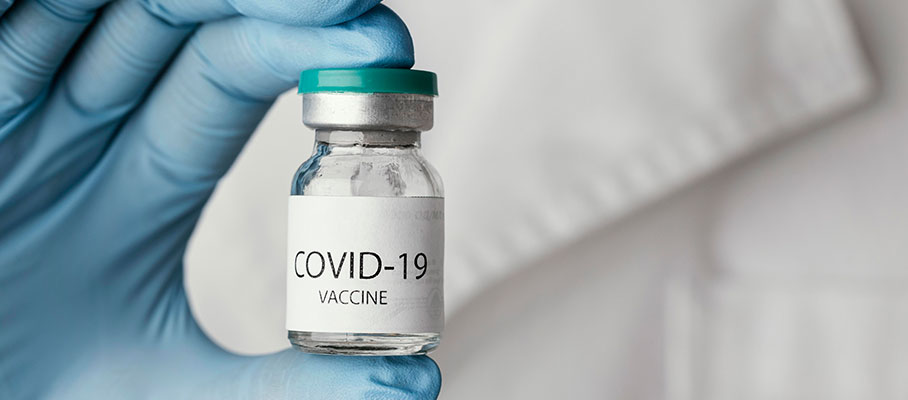
Antibody test to determine COVID vaccine effectiveness. Know the details here
It’s been a little over a month since the second wave of COVID left many among us gasping for oxygen and running from pillar to post to save our loved ones. While the daily COVID cases in India have seen a decline in the past few days, our fight against the deadly virus is far from over. So, it is important for all of us to follow the COVID precautions including hand hygiene, social distancing, and masking up. And, we have another weapon against the pandemic- COVID-19 vaccine! Now more than ever, vaccination has become the ray of hope to bring us back the normal lives beyond pandemic. COVID-19 vaccine in India Starting May 1, everyone above an age of 18 years is eligible to get a COVID shot. As on May 15 2021, 18 crore vaccine doses have been administered in india. Currently, India has approved three COVID-19 vaccines- Covishield, Covaxin, and Sputnik V. All these three vaccines have proven efficacy against coronavirus (scientific name: SARS-CoV2). How do vaccines work? Vaccines contain weakened or inactive parts of a pathogen. When introduced in the body, these attenuated/ inactive pathogen remains act as a trigger and get your immune system to produce protective antibodies and T lymphocytes. Your body now recognizes the pathogen, and will be ready to fight back in a high momentum if it has to encounter the virus in future. In a nutshell, vaccines provide immunity against infections without being naturally infected. Speaking of coronavirus specifically, it has two different types of proteins – spike protein (S Protein) and nucleo-capsid protein (N Protein). The S protein is located on the surface of the virus and the N protein is found inside the virus. The coronavirus gains entry into human cells through its Spike Protein and that is why most vaccines against coronaviruses are designed to target the spike protein. Depending on this target, the vaccines produce different types of antibodies in the body. Though Covishield’s technique employs the Spike protein only, and Covaxin has used the whole inactivated virus, both will produce anti-S antibodies (also called anti-SARS-CoV2 spike protein). Got vaccinated and want to check if you have developed antibodies? Visit here for details. Is this the same antibody test which tells us about past COVID infection? So, the first and foremost thing that you must know is despite being a COVID antibody test, it is different from the antibody test that is taken to look for past COVID infection. How is the anti-SARS-CoV2 Spike protein test different from the usual antibody test? The COVID antibody test that is used to confirm past infection with Coronavirus is a Qualitative Test, which means it gives you an idea whether antibodies are present or absent. However, Metropolis has recently launched a quantitative antibody test called COVIPROTECT that gives you an exact measurement of the antibody titres available in your body. The antibodies against Spike Protein can be produced either post vaccination or post natural infection of COVID 19. The spike protein antibodies are generally developed after 2 weeks of second dose of vaccination or 4 weeks of exposure to infection. The use of previously developed COVID antibody tests is limited in knowing the exposure status than to the actual antibody titre. With the advent of COVIPROTECT, it is likely that the qualitative test would become obsolete soon. As of now, Metropolis offers two types of COVID antibody testing: SARS CoV2 Antibody Quantitative (COVIPROTECT) (MRP: INR 1200 + Home visit charges) SARS CoV2 Antibody Qualitative (MRP: INR 450 + Home visit charges) COVIPROTECT Test: Quantitative SARS CoV2 Antibody Test Against Spike Protein While you plan to be a bit relaxed about certain routine activities after getting your full dose of COVID vaccine, it makes a lot of sense to know whether your body has developed the necessary antibody to fight the coronavirus post vaccination. This is where the Quantitative antibody test against Spike Protein comes into play. It is better known as COVIPROTECT by Metropolis. This test uses Blood as the sample like a routine blood test. When should I get my antibody level tested post vaccination? It is recommended to go for this test after 2 weeks of your second dose of COVID vaccine to get accurate results. Can antibody tests assess if your COVID-19 vaccine shot was effective? The Centers for Disease Control and Prevention (CDC) discourages antibody testing for determining immunity after getting the vaccine. It is very likely for a vaccinated person to get a negative result from an antibody test, even if the vaccine was effective and protective. The major cause is different antibody tests kits used in labs detect antibodies to different parts of the virus. While some kits detect antibodies to the Spike protein of the virus, a few others detect antibodies to the Nucleocapsid protein. The point to note is that irrespective of which COVID vaccine you received, it would have produced antibodies to Spike protein (Covaxin due to being whole virus inactivated virus vaccine, produces antibodies to N protein too. But that does not imply that Covaxin would outshine Covishield in protection). COVIPROTECT test kit identifies antibodies produced against Spike protein of the virus.and hence irrespective of which vaccine you received, it will catch the antibodies post vaccine. Vaccines are your best bet Please note that even after testing negative on an antibody test, fully vaccinated people should not be worried about immunity gained post vaccine. It might happen if your antibodies level are at levels below the test’s threshold for detection. Also, in the months after vaccination, antibody levels may decrease below the detectable level. Always get your test results interpreted through a healthcare provider for better understanding. For all lab test-related needs, visit Metropolis. Make sure you get vaccinated. Motivate others to get the vaccine too. Let’s do our bit in helping India win over the pandemic!
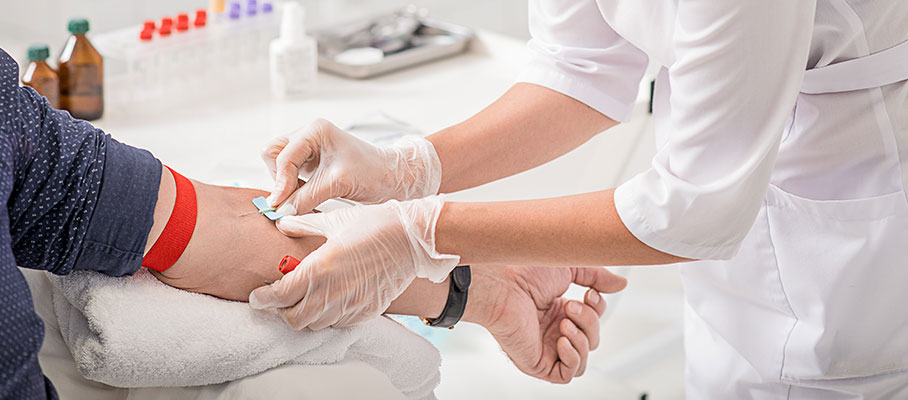
COVID Monitoring Tests: What do they mean and why do you need them?
With the second wave of the pandemic sweeping across the nation, many of us continue to be affected by the unpleasant sickness and the after effects. It is quite likely to be anxious with the Social Media University spreading irrational, non-scientific information and nerve-wracking media coverage around COVID-19. However, it is important to note that nearly 80-85% of coronavirus cases have mild disease and can be taken care of under home isolation. Not every COVID positive person requires oxygen support or hospitalization. What you just need to pay attention to is to take extra care of yourself, monitor oxygen levels, be in touch with a doctor, and get COVID-19 monitoring tests done as and when advised. What are COVID Monitoring Tests? As per various research and studies, a bunch of laboratory tests including blood parameters, inflammatory markers, coagulation parameters, liver enzymes, etc., gives an insight into the severity of COVID illness and can be used by your doctor as the prognostic indicators. In simple words, these lab tests provide an overall picture of how COVID-19 has impacted your vital organs and normal body processes, how likely you are to develop moderate or severe disease, or need hospitalization, or have you already started getting better. Book a COVID Monitoring Profile and get tested at home. Who might need COVID Monitoring Tests? People with mild disease in early days of sickness to get the baseline values People with mild disease who continue to have symptoms beyond day 5-7 and doctor feels that the disease might be progressing People with moderate or severe disease to be started on a treatment regimen COVID suspect or positive people who continue to experience oxygen levels less than 93% People with severe disease before discharge Any other conditions Please note that COVID monitoring tests can be required for both- people under home care or hospitalized. What tests are included under COVID Monitoring Profile? Routine Blood Parameters Research suggests blood markers like complete blood count (CBC), leukocytes, platelets, eosinophils, neutrophils-lymphocytes ratio (NLR), erythrocyte sedimentation rate (ESR) correlate with disease severity in COVID. For example, COVID positive people are likely to have decreased levels of leukocytes and platelets. Similarly, NLR levels more than 3.5 (along with some other biomarkers explained below) might indicate that the disease is not mild. Inflammatory markers COVID-19 can evoke a serious hyperinflammatory response and cytokine storm, a cause of major concern. Hence, it is important to track certain biomarkers that can indicate towards systemic inflammation, chiefly including C-reactive protein (CRP), lactate dehydrogenase (LDH) and Interleukin-6 (IL-6). Of these, CRP seems to be the most important one in guidining therapy as per some experts. In general, a CRP level of less than 26 mg/L is considered a mild disease, levels between 26-100 mg/L indicate moderate COVID and more than 100 mg/L point towards severe COVID disease. Please note that these markers get increased in case of any acute inflammation. So, it is important to rule out other causes or any secondary infection while taking the test results into account. Cardiac, kidney, or Liver damage markers Besides targeting your lungs, COVID-19 can also impact the other vital organs such as heart, liver and kidneys. In some of the study models, cardiac injury is significantly and independently associated with mortality. People with moderate or severe COVID illness have also been seen to have high creatinine and blood urea levels in some studies. It is all the more important to track the heart, liver and kidney related markers for people having comorbidities like heart disease, diabetes, or kidney disease. Coagulation parameters Coagulation parameters include D-dimer, ferritin, prothrombin time, etc. As per research, D-dimer level is a reliable prognostic marker and increased D-dimer levels on admission are linked to patients needing critical care support. About D-Dimer test D-dimer is a small piece of protein that is made when a blood clot dissolves in your body ( through a process called fibrinolysis). Blood clotting is an important process. It prevents loss of blood when you are injured. Usually, once the injury is healed, the clot is dissolved by your body. But if someone has a blood clotting disorder, blood clots can form in absence of an obvious injury or they won't go away. These clots can travel in the blood, block important blood vessels, and even prove life-threatening. A D-dimer test looks for D-Dimer levels in blood and is most often used to find out whether you have a blood clotting disorder. An excess of D-Dimer can indicate towards the activation of coagulation and following fibrinolysis. COVID-19 is likely to induce clot formation. The presence of comorbidities is a risk factor too. D-dimer is commonly elevated in patients with COVID-19, especially in older people and those with comorbidities. These are high-risk groups that are likely to develop severe COVID-19 disease if infected. Rule out the possibility of any derangement in these biomarkers with a single Metropolis COVID Monitoring Profile. Book Now. Always get your test results interpreted through a healthcare provider. Stay at home, stay safe. For all lab test-related needs, visit Metropolis.
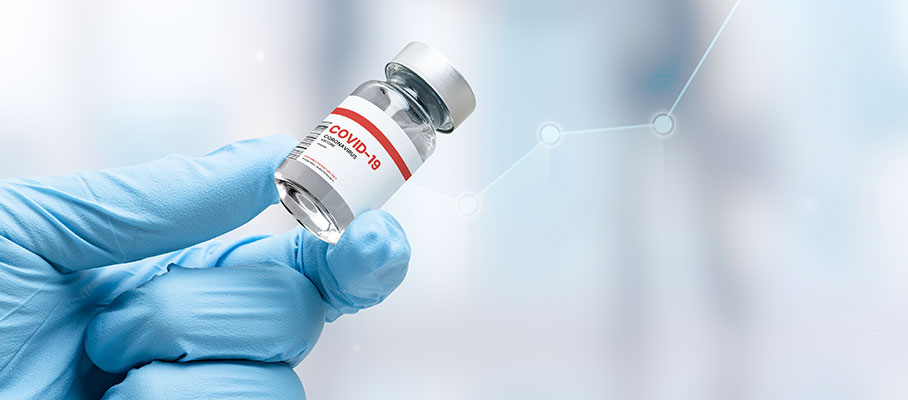
All you need to know about the COVID-19 vaccine in India
The year 2021 brought with it the exhilarating news of the COVID-19 vaccination to begin in India. On January 16, India launched the world’s largest COVID vaccine drive as one of the pivotal measures against the pandemic. Until February 6, 2020, more than 54 lakh people have been vaccinated, as confirmed by the Union Health Ministry. The COVID-19 vaccine development was much-awaited for helping curb the spread of this pandemic that has claimed more than a million lives and shattered businesses. However, multiple apprehensions and doubts are doing the rounds which might prevent people from getting the jab. Are you also confused about how various COVID vaccines different from each other and how they will protect you against the disease? Read on to know all that you need to know about the COVID-19 vaccine in India. How does the COVID-19 vaccine work? The COVID-19 vaccine helps your body make protective antibodies against the coronavirus. Having these antibodies means that you have developed an immunity. Getting vaccinated for COVID-19 will help you prevent the coronavirus infection, or protect you from developing a serious illness or complications even if infected. Is the immunity developed from natural infection better than the vaccine? To understand this, let us first help you understand how natural infection provides immunity. When you get infected with a new germ, your body is unaware of this infection-causing foreign invader. But it will gear up, take some time to collate all its infection-fighting tools (various types of body cells) to fend off the illness. Your body remembers how it fought the germ and saves this information for future attacks. When the same germ infects you next time, your body knows how to kill it and protect you from getting the disease. The vaccines are prepared in such a way that they also train your body to recognize and combat the germ. So, when the infection-causing germ attacks, your body knows the way out even without getting the disease. For most diseases, natural immunity might provide better protection than vaccine-acquired immunity. However, the natural infection is quite unpredictable and the prognosis will depend on the individual’s body response. A vaccine is a far safer bet. What different types of COVID-19 vaccines are available? While various COVID-19 vaccines are undergoing clinical trials, some have been approved by the regulatory bodies for use (emergency use authorization). COVID vaccine candidates that are currently being used for inoculations include: Pfizer-BionTech Moderna Inc Oxford-Astrazeneca, developed in India by the Serum Institute of India (SII) Sputnik V Indian landscape: The Drug Controller General of India (DCGI) has approved two COVID-19 vaccines including SII’s Covishield and Bharat Biotech’s Covaxin: Thinking how do these vaccines compare with each other? So, you can compare available vaccine options based on the technology used, efficacy, safety, storage, and price. COVID-19 Vaccine Technology: Talking about the vaccine technology, while both the Pfizer and Moderna vaccines are mRNA vaccines, Covishiled uses a viral vector and Covaxin is an inactivated virus vaccine. Don’t get boggled! These all are just the ways to train your immune system to fight off the virus in future. The mRNA vaccines lead to production of a harmless protein in your body that resembles the protein found on the surface of the virus. Your body recognizes that it is an invader and produces antibodies against it. The viral vector vaccine makes use of a genetically modified, harmless virus (adenovirus in this case) to induce antibody production against the coronavirus. The inactivated virus vaccine contains a killed virus that evokes the antibody response in your body and gets you immune. While inactivated virus and viral vector are time-tested vaccine technology that are being used in many other vaccines for different diseases, mRNA is a new technology. However. it must be noted that contrary to the notion that mRNA vaccine can interfere with your genetic makeup, it does not interact with your genes in any way! COVID-19 Vaccine efficacy: The Pfizer vaccine has an efficacy of 95% and requires two doses given 21 days apart. It is approved for people age 16 and above. The Moderna COVID-19 is found to be 94.1% effective, with two doses injected 28 days apart. This vaccine is for people aged 18 and older. The Oxford vaccine is found to be 62% effective after two full doses, and has shown an efficacy of 90% in a small group that received a half dose followed by a full dose. COVID-19 vaccine Storage: The Pfizer vaccine needs to be stirred at -94 °F, an obscenely cold temperature that requires a special freezer. The Moderna vaccine can be stored in a normal freezer. And, the oxford vaccine can be stored in a normal refrigerator at a temperature of 2-8 °C. COVID-19 vaccine Price: The Oxford-Astrazeneca vaccine is cheaper than the Pfizer and Moderna ones as it is not making any profit amid the pandemic. In India, as yet, the vaccine administration has been done free of cost for all the health and frontline workers. Watch this video to know more. All vaccines help make antibodies. So, can I mix and match different COVID-19 vaccines? No! If you have got one shot of Cobaxin, the other jab should also be of Covaxin, and the same applies for Covishiled. Mixing doses of different COVID-19 vaccines does not ensure effective protection against the infection. Is the COVID-19 vaccine safe as it is being tested and introduced in a short span of time? Vaccines development has been fast tracked but they have been introduced only after the regulatory bodies have cleared them based on the safety and efficacy. Also, follow up was as thorough as it had been for any vaccine, and months’ data is now available on people who received the vaccine. Can there be any side effects of COVID-19 vaccines? Just like other vaccines, COVID-19 vaccine might also cause mild symptoms like fever, fatigue, pain or swelling at the site of injection, muscle pain, chills, nausea and vomiting. However, these must be short-term and will be resolved after a day or two. Rarely, a few people can have severe allergic reactions to the vaccine but they might face the similar issue with vaccine shots for different conditions as well. Always consult your doctor and discuss your medical history before you get yourself vaccinated. Can a COVID-19 vaccine give you COVID-19? The COVID-19 vaccines currently being used are not using the live virus that causes COVID-19. So, you are not likely to get the infection due to COVID-19 vaccine. Keep in mind that the vaccine will take a few weeks to build immunity. Continue taking precautions after being vaccinated. The protective antibodies will take two weeks after receiving the 2nd dose. Who should not get vaccinated for COVID-19? Children (and teens below 18 years of age), pregnant and breastfeeding women, people who have anaphylaxis or allergic reactions and people who are isolated or having active COVID-19 should not get vaccinated. Also, people with coagulation disorders need to follow cautions while getting inoculated. More information will become available on the COVID vaccine contraindications as the experts gather more data. When will this vaccine be available to me? The vaccine drive is aimed at covering health and frontline workers, followed by people over 50 years of age and people with comorbidities based on vaccine availability. Only after inoculating these high-risk groups, it will be made available for the general public that might take another 6-7 months. Keep following hygienic measures to stay protected from coronavirus. If you face any symptoms suggestive of the infection, get yourself tested for COVID-19 and seek doctor’s advice. Can the recipient choose which vaccine candidate to receive? No. Different virus candidates have been assigned to different vaccine booths across the nation. While the recipient can opt for consent or not being inoculated, they can’t choose between covishield and covaxin. How long will this vaccine-acquired immunity last? There is no concrete data available on the duration of protection achieved from COVID vaccines as yet. Should I get the COVID-19 vaccine even if I've already had COVID-19? You can delay your vaccination until 90 days after your diagnosis if you’ve already had COVID-19. Natural coronavirus infection offers some immunity against the reinfection. However, it's not clear how long this protection lasts, people who have already had COVID-19 should also get a COVID-19 vaccine for better protection. Want to check if you have developed COVID-19 antibodies? Book a COVID-19 antibody test. The final word Please understand the fact that the mild side effects of COVID vaccine outweigh the health risks posed by COVID-19. Getting vaccinated will help us come out of this grave pandemic situation super soon. So, do not fall prey to misnomers and stay well-informed.





