Home Visit
 Upload








Web Stories


Latest Blogs

Hypoxia: What Happens When the Body Lacks Oxygen
Breathing is something most of us do without a second thought. Yet every breath you take sets off a precise chain of events that keeps every cell, tissue, and organ in your body alive. When that chain is disrupted and oxygen levels fall too low, the result is a condition called hypoxia. It can develop gradually or strike suddenly, and without prompt attention, it can become life-threatening. Understanding what hypoxia is, what causes it, and what to do about it could make a critical difference for you or someone you care about. What Is Hypoxia? Hypoxia is a condition in which the body's tissues and organs do not receive enough oxygen to function properly. It is not simply about difficulty breathing. Even if you are breathing normally, hypoxia can occur if oxygen is not being absorbed into the blood effectively, if the blood cannot carry it adequately, or if the tissues cannot use it as they should. Every organ in your body depends on a continuous supply of oxygen to produce energy, repair cells, and carry out its functions. When that supply falls short, the consequences can range from mild discomfort to severe organ damage, depending on how long the oxygen deprivation lasts and which tissues are affected. Hypoxia is different from hypoxemia, though the two are closely related. Hypoxemia refers specifically to low oxygen levels in the blood, while hypoxia refers to insufficient oxygen at the tissue level. Hypoxemia is one of the most common causes of hypoxia. What Happens When Oxygen Levels Drop? When oxygen delivery to the tissues is compromised, your body responds quickly. Your heart rate increases to pump more blood. Your breathing speeds up to try to draw in more oxygen. Your body may redirect blood flow away from non-essential areas towards vital organs like the brain and heart. If these compensatory mechanisms are not enough, cells begin to fail. Without oxygen, cells cannot produce the energy they need to sustain their functions. Within minutes, particularly in oxygen-sensitive tissues like the brain, cell damage begins. Brain cells can start to die within five minutes of severe oxygen deprivation. The heart, kidneys, and liver are also highly vulnerable. This is why hypoxia is never something to wait out or observe at home without medical guidance. The faster it is recognised and treated, the better the chances of a full recovery. Types of Hypoxia Hypoxia is not a single, uniform condition. It can arise through four distinct mechanisms: Hypoxaemic hypoxia: The most common type, caused by low levels of oxygen in the blood. This occurs when the lungs cannot transfer enough oxygen into the bloodstream, often due to conditions such as pneumonia, asthma, or chronic obstructive pulmonary disease (COPD). Travelling to high altitudes, where the air contains less oxygen, can also cause this type. Circulatory (ischaemic) hypoxia: The blood may carry adequate oxygen, but a problem with the heart or blood vessels prevents it from reaching the tissues in sufficient quantities. Heart failure, blood clots, and severe narrowing of blood vessels are common causes. Anaemic hypoxia: The body does not have enough healthy red blood cells to carry oxygen from the lungs to other tissues. This can occur in various forms of anaemia, where red blood cells are too few, misshapen, or ineffective. Histotoxic hypoxia: Oxygen reaches the tissues in normal amounts, but the cells are unable to use it properly. Cyanide poisoning is a classic example of this type, where cellular machinery for oxygen use is disrupted. Common Causes of Hypoxia Any condition that affects oxygen intake, transport, or use at the cellular level can lead to hypoxia. Common causes include: Asthma, particularly during a severe attack. COPD and emphysema. Pneumonia and other serious lung infections. Pulmonary embolism, a blood clot in the lung that obstructs blood flow. Pulmonary oedema, where fluid accumulates in the lungs. Pulmonary fibrosis, a condition involving progressive scarring of lung tissue. Congestive heart failure, where the heart cannot pump blood efficiently. Congenital heart disease, particularly when there is abnormal mixing of oxygenated and deoxygenated blood. Sleep apnoea, which causes repeated drops in oxygen during sleep. Severe anaemia. Exposure to high altitudes. Certain medications that suppress breathing. COVID-19 and influenza, which can cause significant respiratory complications. Symptoms of Hypoxia Symptoms vary depending on how severe the oxygen deprivation is and how quickly it develops. In mild or chronic hypoxia, symptoms may be subtle and easy to overlook. In acute or severe cases, they can escalate rapidly. Common symptoms include: Shortness of breath or difficulty breathing, even at rest. Rapid breathing (more than 20 breaths per minute). Rapid heart rate (tachycardia). Restlessness or a sense of agitation. Headache. Confusion or difficulty concentrating. Anxiety without an obvious cause. Fatigue and weakness. Bluish or greyish discolouration of the lips, fingernails, or skin, a sign called cyanosis. In severe hypoxia, you may notice an abnormally slow heart rate, extreme restlessness, or loss of consciousness. These are signs of a medical emergency requiring immediate care. Hypoxia in Newborns Newborns are particularly vulnerable to hypoxia. Perinatal hypoxia, where a baby does not receive adequate oxygen around the time of birth, can occur due to complications during labour and delivery, such as umbilical cord problems, placental issues, or prolonged difficult delivery. The consequences in newborns can be serious. The brain is especially sensitive, and oxygen deprivation at this stage can affect neurological development, sometimes resulting in conditions such as hypoxic-ischaemic encephalopathy (HIE). Medical teams are trained to monitor oxygen levels closely during and after delivery and to act swiftly if signs of distress appear. If you are pregnant and have concerns about your baby's movements or wellbeing at any stage, do not hesitate to contact your midwife or obstetrician. Early intervention matters enormously. Hypoxia at High Altitude Travelling to or living at high altitudes exposes the body to air that contains lower concentrations of oxygen. This can lead to a form of hypoxaemia and result in altitude sickness, characterised by headache, nausea, fatigue, dizziness, and shortness of breath. In most healthy individuals, symptoms are mild and improve as the body acclimatises over a few days. However, in more serious cases, high-altitude pulmonary oedema (HAPE) or high-altitude cerebral oedema (HACE) can develop, both of which are medical emergencies. If you have a pre-existing heart or lung condition, speak to your doctor before travelling to high-altitude destinations. Gradual ascent, adequate hydration, and avoiding strenuous activity in the first few days can all reduce the risk of altitude-related hypoxia in otherwise healthy travellers. How Hypoxia Is Diagnosed When hypoxia is suspected, your doctor will carry out a physical examination and may recommend a series of investigations to confirm the diagnosis and identify its underlying cause. Physical examination: Your doctor will listen to your heart and lungs, assess your breathing pattern, and check your skin, lips, and nails for signs of cyanosis or poor circulation. Pulse oximetry: A small, painless clip placed on your fingertip measures the percentage of oxygen in your blood. A normal reading is typically 95% or above. Readings below 90% are considered concerning. Arterial blood gas (ABG) test: A blood sample taken from an artery provides precise measurements of oxygen and carbon dioxide levels, as well as blood pH, giving a detailed picture of respiratory and metabolic status. Pulmonary function tests (PFTs): These measure how well your lungs are working, including how much air you can breathe in and out and how efficiently oxygen crosses into the bloodstream. Imaging: Chest X-rays, CT scans, or ventilation-perfusion (VQ) scans help visualise the lungs and identify conditions such as pneumonia, fluid, clots, or structural abnormalities. Blood tests: A full blood count assesses red blood cell levels to rule out anaemia. Other targeted tests help identify infections or underlying conditions contributing to low oxygen. Six-minute walk test: This assesses how far you can walk in six minutes and is used to evaluate the functional impact of heart or lung conditions on oxygen delivery during exertion. Treatment for Hypoxia Treatment focuses on restoring adequate oxygen levels and addressing the underlying cause. The specific approach depends on what is causing the hypoxia and how severe it is. Supplemental oxygen: Delivered via nasal prongs, a face mask, or a high-flow oxygen system, this is the first-line treatment for most forms of hypoxia. Inhaled or oral steroids: Used to reduce inflammation and open airways in conditions such as asthma or COPD. Antibiotics: Prescribed when a bacterial infection such as pneumonia is the underlying cause. Blood thinners (anticoagulants): Used to treat pulmonary embolism or blood vessel disease causing circulatory hypoxia. Diuretics: Help remove excess fluid from the lungs in cases of pulmonary oedema or heart failure. Continuous positive airway pressure (CPAP): A mask-based device that keeps the airways open during sleep, used for sleep apnoea. Bilevel positive airway pressure (BiPAP): A more advanced pressure support system used for COPD and certain types of respiratory failure. Mechanical ventilation: In severe or acute cases where breathing is severely compromised, a ventilator in a hospital setting takes over the work of breathing. The prognosis for hypoxia depends on its severity, how quickly it is treated, and the nature of the underlying condition. Many people recover fully when the cause is identified and managed promptly. Others with chronic conditions may require ongoing supplemental oxygen as part of their long-term management. Can Hypoxia Cause Brain Damage? Yes, it can, and the brain is among the most oxygen-sensitive organs in the body. When the brain does not receive enough oxygen, a condition called cerebral hypoxia occurs. Brain cells can begin to die within minutes of severe oxygen deprivation. The extent of damage depends on how severe the hypoxia was and how long it lasted. Mild, brief episodes may cause temporary symptoms such as confusion, headache, or memory lapses. Prolonged or severe cerebral hypoxia can result in lasting cognitive impairment, difficulty with movement, personality changes, or, in the worst cases, permanent brain damage or death. This is why immediate medical attention is essential whenever hypoxia is suspected. Time is critical when the brain is involved. Complications of Untreated Hypoxia When hypoxia goes unrecognised or is not treated in time, it can lead to serious and potentially irreversible consequences: Brain damage, ranging from memory and concentration problems to severe neurological impairment. Heart damage, including heart attack if oxygen supply to the cardiac muscle is severely compromised. Kidney failure, as the kidneys require a constant supply of oxygen-rich blood to filter waste. Respiratory failure, where the lungs are no longer able to maintain adequate gas exchange. Multi-organ failure in severe and prolonged cases. Coma or death in the most extreme circumstances. These outcomes highlight the importance of taking symptoms seriously and seeking prompt care rather than hoping they will resolve on their own. How to Prevent Hypoxia While not all cases of hypoxia are preventable, you can significantly reduce your risk with the following measures: Manage any existing heart or lung condition carefully, including taking prescribed medications consistently and attending regular check-ups. Do not ignore new or worsening respiratory symptoms. Seek medical advice early. Quit smoking. Tobacco use damages the lungs and blood vessels, increasing the risk of conditions that cause hypoxia. If you have asthma, know your triggers, carry your rescue inhaler, and follow your treatment plan. Be cautious about high-altitude travel if you have a heart or lung condition. Speak to your doctor before you travel. Ensure sleep apnoea is properly diagnosed and treated, as it causes repeated overnight dips in oxygen that can have cumulative health effects. Stay physically active and maintain a healthy weight to support cardiovascular and respiratory health. Be aware of the early signs of hypoxia so you can act quickly if they appear. When to Seek Emergency Care Some situations require immediate emergency attention. Do not wait and monitor at home if you or someone around you experiences: Sudden or severe shortness of breath. Bluish or greyish discolouration of the lips, skin, or fingernails. Sudden confusion, extreme restlessness, or a change in consciousness. A rapid heart rate that does not settle. Loss of consciousness or near fainting. Symptoms of a known heart or lung condition that are significantly worse than usual. Any situation where you instinctively feel that something is seriously wrong. Call emergency services immediately in these situations. Hypoxia is a medical emergency and requires prompt, professional intervention. Conclusion Oxygen is fundamental to life, and hypoxia is what happens when that fundamental need goes unmet. Whether caused by a lung condition, a circulatory problem, anaemia, or another underlying issue, hypoxia demands attention and timely medical care. Knowing the signs and understanding the risks puts you in the best position to act quickly when it matters most. Good respiratory and cardiovascular health form the foundation for preventing many causes of hypoxia. Staying proactive about your health, managing chronic conditions, and monitoring key health markers regularly are all meaningful steps you can take. At Metropolis Healthcare, you can access a comprehensive range of health tests, including blood count panels, cardiac markers, and respiratory health investigations, all with the convenience of home sample collection. With over 4,000 tests, fast and accurate reports, and easy booking through the website, app, call, or WhatsApp, staying informed about your health has never been more accessible. Your body gives you signals. Make sure you are listening. Frequently Asked Questions What Are the First Signs of Hypoxia? The earliest signs of hypoxia are often subtle and can be easy to dismiss. Restlessness, headache, mild confusion, and a feeling that you cannot quite get enough air are common early indicators. You may also notice your heart rate increasing or your breathing becoming faster than usual. If any of these symptoms appear without an obvious explanation, it is worth seeking medical assessment promptly rather than waiting to see if they improve. What Oxygen Level Is Considered Low? A normal blood oxygen saturation level, as measured by pulse oximetry, is typically between 95% and 100%. A reading between 91% and 94% is considered mildly low and warrants attention. Anything below 90% is considered significantly low and may indicate hypoxia requiring urgent evaluation. In people with chronic lung conditions, doctors may establish individual target ranges, so always follow your doctor's specific guidance. Can Hypoxia Be Reversed? Yes, in many cases hypoxia can be reversed, particularly when it is identified and treated quickly. Supplemental oxygen, treatment of the underlying cause, and supportive care can restore oxygen levels and allow tissues to recover. The key factor is how long the tissues were deprived of oxygen and how severe the deprivation was. Brief, mild episodes are more likely to resolve completely, while prolonged or severe hypoxia may result in lasting damage, particularly to the brain and heart. Is Hypoxia Life-Threatening? Yes, hypoxia can be life-threatening. Without sufficient oxygen, vital organs including the brain and heart can sustain serious damage within minutes. Severe hypoxia is a medical emergency. Even chronic, lower-grade hypoxia, if left unmanaged, can lead to progressive organ damage over time. This is why it is essential not to underestimate symptoms and to seek medical care without delay when hypoxia is suspected. How Is Hypoxia Treated at Home? Hypoxia itself should not be managed at home without medical guidance, as it is a condition that requires proper diagnosis and treatment. However, people with chronic conditions such as COPD or sleep apnoea may be prescribed home supplemental oxygen or devices like CPAP as part of their long-term management. If you have been given equipment for home use, use it exactly as prescribed. If you develop new or worsening symptoms at any time, do not rely on home devices alone. Contact your doctor or go to the nearest emergency department immediately. References Bhutta BS, Alghoula F, Berim I. Hypoxia. StatPearls. National Library of Medicine; 2023. Martin DS, Grocott MPW. Oxygen therapy in anaesthesia: the yin and yang of O2. Br J Anaesth. 2013;111(6):867-871. Semenza GL. Oxygen sensing, homeostasis, and disease. N Engl J Med. 2011;365(6):537-547. West JB. High-altitude medicine. Am J Respir Crit Care Med. 2012;186(12):1229-1237. Prabhakar NR, Semenza GL. Adaptive and maladaptive cardiorespiratory responses to continuous and intermittent hypoxia mediated by hypoxia-inducible factors 1 and 2. Physiol Rev. 2012;92(3):967-1003. Bateman NT, Leach RM. ABC of oxygen: acute oxygen therapy. BMJ. 1998;317(7161):798-801. Sarkar M, Niranjan N, Banyal PK. Mechanisms of hypoxemia. Lung India. 2017;34(1):47-60.

Blepharospasm: Why Your Eyelids Twitch or Close Involuntarily
Have you ever noticed your eyelid twitching for no clear reason? An occasional flicker is usually harmless and short-lived. But when the twitching becomes frequent, forceful, or difficult to control, it may point to a condition called blepharospasm. Blepharospasm can feel unsettling, especially when it starts interfering with daily tasks like reading, driving, or simply keeping your eyes open. Understanding what it is, why it happens, and how it is treated can help you feel more confident about seeking the right care. What Is Blepharospasm? Blepharospasm is a neurological movement disorder in which the muscles around your eyelids contract involuntarily, causing uncontrollable blinking or eye closure. In mild cases, it may feel like persistent involuntary blinking. In more severe cases, the spasms can force both eyes shut long enough to temporarily affect your vision, even though the eyes themselves are completely healthy. This condition is classified as a type of dystonia, a group of movement disorders caused by abnormal muscle contractions. It primarily involves the orbicularis oculi, the ring-shaped muscle that surrounds each eye and controls eyelid movement. Blepharospasm is relatively rare. Estimates suggest it affects between 128,000 and 2.4 million people worldwide, though the actual number may be higher since many cases go undiagnosed or are attributed to other conditions. Is Blepharospasm the Same as Eye Twitching? It is easy to confuse blepharospasm with common eye twitching, but the two are quite different. Everyday eye twitching, known as myokymia, is usually brief, affects one eye, and resolves on its own after a few minutes or days. It is often triggered by tiredness, caffeine, or eye strain and is generally harmless. Blepharospasm, on the other hand, affects both eyes simultaneously, is involuntary, follows a pattern, and tends to worsen over time without treatment. It is a neurological eye disorder, not a simple muscle twitch. If your eyelid twitching is frequent, bilateral, forceful, or disrupting your daily life, it warrants medical attention. Types of Blepharospasm Blepharospasm is broadly divided into two types: Primary blepharospasm: Also called benign essential blepharospasm (BEB), this form occurs on its own without a clearly identifiable cause. It is classified as idiopathic, meaning the exact origin is not yet fully understood. Despite the word benig in its name, it can still significantly impact quality of life. Secondary blepharospasm: This form develops as a result of another underlying condition. It is essentially a symptom of something else happening in the body, such as an inflammatory eye condition, a movement disorder, or a medication side effect. Treating the root cause often helps reduce or resolve the spasms. Common Causes of Blepharospasm The exact cause of blepharospasm is not always clear, particularly for the primary form. However, research points to the following potential causes: Neurological dysfunction: Irregular activity in the basal ganglia, the part of the brain that coordinates movement, is thought to play a key role. Abnormal signalling through the facial nerve (Cranial Nerve VII), which controls eyelid muscles, may also contribute. Underlying eye conditions: Conditions such as dry eyes, blepharitis (eyelid inflammation), and keratoconjunctivitis (eye surface inflammation) can trigger reflex blepharospasm. These conditions often cause eye strain or a burning sensation before spasms develop. Other movement disorders: Meige syndrome, a condition that involves spasms in the face and jaw alongside the eyes, is a known cause. Atypical forms of parkinsonism have also been linked to blepharospasm. Medications: Certain drugs, particularly those used in the treatment of Parkinson's disease, can cause involuntary muscle movements as a side effect. A condition called tardive dyskinesia, linked to long-term use of some medications, can also increase risk. Lifestyle and environmental triggers: Stress, sleep deprivation, excessive caffeine intake, alcohol consumption, smoking, and exposure to bright light can all trigger or worsen blepharospasm episodes. Genetic factors: Around 20 to 30 percent of people with blepharospasm have a family member with the same condition, suggesting a hereditary component. Symptoms of Blepharospasm Blepharospasm starts subtly and tends to progress over time. Recognising the symptoms early can help you seek timely care. Frequent, uncontrollable blinking that cannot be consciously stopped Involuntary blinking that is more pronounced than usual, even between active spasm episodes Spasms affecting both eyes simultaneously Spasms that follow a pattern rather than occurring randomly Forced eye closure lasting a few seconds to several minutes Temporary visual impairment during severe spasms, not due to any damage to the eye Sensitivity to bright light (photophobia) Eye irritation, dryness, or a burning sensation, particularly in secondary blepharospasm Brief improvement of spasms with sensory tricks such as humming, touching the face, or concentrating on a task Symptoms typically begin with mild, occasional twitching and gradually become more frequent and forceful. In severe cases, the spasms can make it difficult to drive, work, or read. Risk Factors for Blepharospasm Certain factors increase the likelihood of developing blepharospasm: Sex: Women are two to four times more likely to develop blepharospasm than men, and their symptoms may also be more severe. Age: The condition most commonly develops between the ages of 50 and 70. Family history: Having a biological relative with blepharospasm raises your risk. Chronic stress: High stress levels can trigger episodes and increase their frequency. Fatigue: Insufficient sleep or physical exhaustion can worsen spasms. Eye health history: Previous eye injuries, chronic eye conditions, or a history of nervous system conditions increase vulnerability. Mental health conditions: Conditions such as anxiety, depression, and obsessive-compulsive disorder (OCD) have been associated with blepharospasm, though the exact relationship between them is still being studied. How Blepharospasm Is Diagnosed Diagnosing blepharospasm can take time, and it often requires input from more than one specialist. Here is what you can typically expect: Medical history review: Your doctor will ask about when the symptoms started, how often they occur, what seems to trigger or relieve them, and whether any family members have had similar issues. Physical and neurological examination: A thorough examination helps assess the nature of the spasms, how they affect your eyelids, and whether there are any other neurological signs. Ophthalmological assessment: An eye specialist may examine your eyes for surface conditions, inflammation, or dryness that could be contributing to the spasms. Electromyography (EMG): This test measures the electrical activity in muscles and can help confirm abnormal muscle contractions around the eyes. MRI or additional imaging: These may be ordered to rule out other neurological conditions that could be causing similar symptoms. Because blepharospasm shares features with several other conditions, it is common for people to see both an ophthalmologist and a neurologist before a definitive diagnosis is reached. Treatment Options for Blepharospasm There is currently no permanent cure for blepharospasm, but several effective treatments can manage symptoms and significantly improve quality of life. Botulinum toxin injections: This is the most common and effective first-line treatment. Small amounts of botulinum toxin are injected into the muscles around the eyes to temporarily reduce their ability to contract. The effects typically last three to four months, after which repeat injections are needed. Most people tolerate the procedure well and experience meaningful relief. FL-41 tinted lenses: These specialised lenses filter out certain wavelengths of light, particularly blue light, which helps reduce photosensitivity and lessen spasm frequency. They are widely available and can be made with prescription lenses if needed. Oral medications: In some cases, doctors may prescribe medications to help manage spasms, though these are generally considered less effective than injections. Surgery (myectomy): For severe cases that do not respond adequately to injections, surgery to partially remove or thin the overactive eyelid muscles may be recommended. It is considered a last resort but can provide lasting relief for those who need it. Acupuncture: Some research suggests acupuncture may offer benefit for certain individuals, and your doctor may consider it as a complementary option. Lifestyle adjustments: Managing stress, getting adequate sleep, reducing caffeine and alcohol intake, and wearing sunglasses in bright conditions can all help reduce the frequency and severity of episodes. Treating underlying causes: If blepharospasm is secondary to another condition such as dry eyes or blepharitis, treating that condition directly often reduces spasms. Complications of Untreated Blepharospasm While blepharospasm is not life-threatening, leaving it untreated can have a significant impact on daily life. Progressive worsening of spasms, eventually making it difficult or impossible to keep the eyes open Inability to drive safely, which can limit independence Difficulty with tasks that require sustained visual attention, such as reading, working on a screen, or watching television Increased risk of falls or injuries during episodes of forced eye closure Social withdrawal due to embarrassment or the fear of having a spasm in public Emotional consequences, including heightened anxiety, depression, and social isolation Seeking treatment early helps minimise these complications and preserve a good quality of life. Can Blepharospasm Be Prevented? Unfortunately, blepharospasm cannot be fully prevented, and there is no known way to eliminate your risk of developing it. However, some measures may help reduce the frequency or severity of episodes: Managing stress through relaxation techniques, mindfulness, or physical activity Prioritising regular, restful sleep Wearing tinted or protective eyewear in bright environments Reducing consumption of caffeine and alcohol Addressing underlying eye conditions like dryness or inflammation promptly Identifying and using sensory tricks that personally work for you If you have a family history of blepharospasm, being aware of early symptoms can help you seek medical attention sooner. When to See a Doctor It is worth speaking to a doctor if: Your eyelid twitching has persisted for more than a few weeks The twitching affects both eyes The spasms are forceful enough to close your eyes Your vision is affected during episodes The twitching is interfering with driving, work, or daily activities You notice increased sensitivity to light alongside the twitching The symptoms are causing anxiety or affecting your emotional wellbeing Early evaluation helps confirm the diagnosis, rule out other causes, and start treatment before symptoms progress further. Frequently Asked Questions What Causes Eyelid Twitching? Occasional eyelid twitching is usually caused by tiredness, stress, eye strain, or too much caffeine. These twitches are harmless and typically resolve on their own. When twitching is frequent, affects both eyes, and cannot be controlled, it may indicate blepharospasm, a neurological eye disorder involving abnormal activity in the brain's movement control system or the facial nerve. Can Blepharospasm Be Prevented? Blepharospasm cannot be prevented entirely. However, managing known triggers such as stress, fatigue, bright light, and excessive caffeine may help reduce how often and how severely symptoms occur. Regular eye care and prompt treatment of conditions like dry eyes can also be helpful, particularly for the secondary form. Is Blepharospasm Serious? Blepharospasm is not life-threatening, but it can be seriously disruptive. In severe cases, it can temporarily impair vision and limit your ability to drive, work, or carry out everyday tasks. It can also affect mental wellbeing, leading to anxiety and social avoidance if left unmanaged. With appropriate treatment, most people can achieve significant symptom relief and maintain a good quality of life. Can Stress Cause Blepharospasm? Stress is a well-recognised trigger for blepharospasm. It does not necessarily cause the condition, but it can initiate episodes and increase their frequency or severity. Managing stress through regular exercise, adequate sleep, and relaxation practices can help reduce the impact of blepharospasm on daily life. Does Blepharospasm Go Away? In most cases, primary blepharospasm is a long-term condition. Research suggests that it resolves spontaneously in approximately 11 percent of cases, though more evidence is needed to understand when and why this happens. Secondary blepharospasm may improve or resolve when the underlying cause is treated effectively. What Is the Best Treatment for Blepharospasm? Botulinum toxin injections are currently the most effective treatment for blepharospasm. They offer significant relief from spasms for most people and are typically repeated every three to four months. For those who do not respond well to injections, surgical options are available. Lifestyle modifications and tinted lenses can also be useful as complementary measures. Take Charge of Your Eye Health with Metropolis Healthcare If you are noticing persistent or worsening eyelid spasms, understanding your overall health picture is an important first step. While blepharospasm is primarily a neurological condition, certain underlying factors such as vitamin D levels, inflammatory markers, and general health can play a role in how your body functions. Metropolis Healthcare offers a comprehensive range of diagnostic tests to help you and your doctor build a clearer picture of your health. From routine blood panels to speciality tests, Metropolis brings accurate, reliable results with the convenience of home sample collection, quick turnaround times, and easy booking through the website, app, call, or WhatsApp. Taking a proactive approach to health monitoring is always a good idea, whether you are managing a specific condition or simply staying ahead of potential concerns. Book your tests with Metropolis Healthcare today and take one confident step towards better health. References Defazio G, Hallett M, Jinnah HA, Berardelli A. Development and validation of a clinical guideline for diagnosing blepharospasm. Neurology. 2013;81(3):236-240. Jankovic J, Kenney C, Grafe S, Goertelmeyer R, Comes G. Relationship between various clinical outcome assessments in patients with blepharospasm. Mov Disord. 2009;24(3):407-413. Evidente VG, Adler CH. An update on the neurological applications of botulinum toxins. Curr Neurol Neurosci Rep. 2010;10(5):338-344. Roggenkamper P, Jost WH, Bihari K, et al. Efficacy and safety of a new botulinum toxin type A free of complexing proteins in the treatment of blepharospasm. J Neural Transm. 2006;113(3):303-312. Vagefi MR, Lin CC, McCann JD, Anderson RL. Myectomy for blepharospasm. Ophthalmic Plast Reconstr Surg. 2009;25(5):374-377. Hallett M, Evinger C, Jankovic J, Stacy M. Update on blepharospasm: report from the BEBRF International Workshop. Neurology. 2008;71(16):1275-1282. Grandas F, Elston J, Quinn N, Marsden CD. Blepharospasm: a review of 264 patients. J Neurol Neurosurg Psychiatry. 1988;51(6):767-772.

Varicella Zoster Virus and the Diseases It Causes
Most people associate chickenpox with a childhood memory of an itchy rash, a week at home, and perhaps some calamine lotion. What many do not realise is that the virus responsible for that childhood illness never truly leaves the body. It retreats into the nervous system and can resurface decades later as a far more painful condition called shingles. Understanding the varicella zoster virus, how it behaves, and what it can do helps you protect yourself and your family at every stage of life. What Is Varicella Zoster Virus? Varicella zoster virus (VZV) is a member of the herpes virus family. It is the single virus responsible for two distinct diseases. The first time you encounter VZV, it causes chickenpox (varicella), a highly contagious illness characterised by an itchy, blister-like rash. After the illness resolves, the virus does not leave the body. Instead, it travels into the sensory nerve roots of the spinal cord, where it remains dormant, sometimes for decades. In some people, years or even decades later, the virus reactivates. This second episode is called shingles, or herpes zoster. It typically causes a painful, localised rash along a specific band of skin supplied by the affected nerve. Beyond chickenpox and shingles, VZV reactivation can occasionally affect the eyes, the facial nerves, and in rare cases, the brain and its surrounding membranes. How Varicella Zoster Virus Spreads VZV is one of the most contagious viruses known. Understanding how it spreads is key to limiting its transmission. Respiratory droplets: During a chickenpox infection, the virus spreads through the air when an infected person coughs or sneezes. You can inhale the virus even without direct contact. Direct contact with the rash: Touching the fluid from a chickenpox rash or a shingles rash can transmit the virus to someone who has not been previously infected or vaccinated. Airborne particles from blisters: During reactivation (shingles), tiny particles from the rash can sometimes carry the virus through the air in close proximity. From shingles to unvaccinated individuals: You cannot catch shingles from someone who has it. However, an unvaccinated person who has never had chickenpox can contract chickenpox through contact with an active shingles rash. A person with chickenpox is contagious from about one to two days before the rash appears until all blisters have completely crusted over. During this window, isolation is essential to prevent spread, particularly to vulnerable individuals. Causes of Varicella Zoster Infection VZV infection occurs in two stages, each with a distinct trigger: Primary infection (chickenpox): Caused by first exposure to the virus, most commonly in childhood. The virus enters through the respiratory tract and spreads throughout the body, causing the characteristic chickenpox rash. Reactivation (shingles): After the primary infection, the virus lies dormant in the dorsal root ganglia of the spine or in the trigeminal nerve of the face. When the immune system is weakened or under stress, the virus can reactivate and travel along the nerve pathway to the skin, producing the shingles rash. No prior chickenpox needed for exposure: People who were vaccinated but never had natural chickenpox can still develop a milder form of the illness if exposed to the virus, though their symptoms are typically less severe. Risk Factors for Severe Infection While most healthy children recover from chickenpox without complications, certain groups are at higher risk of a more serious illness: Adults who contract chickenpox for the first time tend to experience more severe symptoms than children. People aged 50 and above are at significantly increased risk of shingles reactivation and its complications. Individuals taking immunosuppressive medications, such as those used after organ transplants or for autoimmune conditions. People living with conditions that weaken the immune system, including HIV, cancer, or those undergoing chemotherapy. Pregnant women, who face particular risks to themselves and their unborn baby. Newborns whose mothers contract chickenpox just before or after delivery. People under significant physical or emotional stress, which can temporarily suppress immune function. Symptoms of Varicella Zoster Virus Infection Symptoms differ depending on whether VZV is causing a primary infection or a reactivation. Chickenpox symptoms: A widespread, intensely itchy chickenpox rash that begins as small red spots, progresses to fluid-filled blisters, and then crusts over. The rash typically starts on the face, chest, and back before spreading to the rest of the body. Fever, often mild to moderate. Fatigue and a general feeling of being unwell. Headache. Loss of appetite. The chickenpox rash usually lasts seven to ten days from first appearance to complete crusting. Shingles symptoms: Pain, burning, or tingling along a band of skin, often preceding the rash by several days. A localised shingles rash that appears as a stripe of blisters, typically on one side of the body or face, following the path of a single nerve. Sensitivity of the affected skin even to light touch. Fever and headache in some cases. In cases involving the eye area (herpes zoster ophthalmicus): eye redness, swelling, and sensitivity to light. In cases involving the facial nerve (Ramsay Hunt syndrome): ear pain, facial paralysis, and sometimes hearing changes. Complications of Varicella Zoster Most cases of chickenpox resolve without lasting effects. However, complications can occur, particularly in high-risk groups: Bacterial skin infections from scratching open blisters. Pneumonia, which can be serious in adults and immunocompromised individuals. Encephalitis, a rare but dangerous inflammation of the brain. Meningitis or meningoencephalitis, affecting the brain and its surrounding membranes. Dehydration, particularly in young children or those who develop sores in the mouth. Reye's syndrome in children given aspirin during a chickenpox illness (aspirin should be avoided in children with viral infections). Shingles carries its own set of complications: Postherpetic neuralgia (PHN): Persistent nerve pain in the affected area that continues long after the rash has healed. This is the most common complication of shingles and can last for months or years. Vision loss: When shingles affects the eye (herpes zoster ophthalmicus), it can damage the cornea and threaten sight if not treated promptly. Hearing loss or facial paralysis: In Ramsay Hunt syndrome, VZV reactivation in the facial nerve can cause these serious effects. Bacterial superinfection of the shingles rash. Varicella Zoster in Children Chickenpox is primarily a childhood illness and is generally milder in children than in adults. Most children develop a moderate number of blisters, a low-grade fever, and some discomfort over the course of one to two weeks. Healthy children typically recover fully without complications. That said, certain children are at higher risk of complications. Newborns, very young infants, and children with weakened immune systems can develop severe chickenpox that requires hospitalisation and antiviral treatment. Children who have been vaccinated against chickenpox are either protected from infection or experience a significantly milder form if they do contract the virus. Learning to recognise chickenpox symptoms early helps parents seek appropriate care promptly and take steps to prevent spreading the illness to others. Varicella Zoster in Adults Chickenpox is less common in adults because most were exposed during childhood, but when it does occur in adults who missed the infection or vaccination, it tends to be considerably more severe. Adults with chickenpox are at greater risk of pneumonia, hospitalisation, and other complications compared to children. Shingles, on the other hand, is predominantly an adult condition. Around one in three people will develop shingles at some point in their lifetime. The risk rises sharply after the age of 50 and continues to increase with age. Older adults are also more likely to develop postherpetic neuralgia, the persistent nerve pain that can follow a shingles episode and significantly impair quality of life. Varicella Zoster in Pregnancy Chickenpox during pregnancy poses risks to both the mother and the developing baby. Pregnant women are more likely to develop severe chickenpox with complications including pneumonia, which can be life-threatening. The timing of infection during pregnancy also matters greatly for the baby. Chickenpox contracted in the first 20 weeks of pregnancy carries a small but real risk of foetal varicella syndrome, which can cause skin scarring, limb abnormalities, eye problems, and neurological damage in the baby. If a pregnant woman develops chickenpox within five days of delivery or up to two days after, the newborn is at risk of severe neonatal chickenpox, as the baby has not yet received protective antibodies from the mother. Pregnant women who have not had chickenpox and have not been vaccinated should avoid contact with anyone who has an active infection and seek immediate medical advice if they believe they have been exposed. Vaccination is not given during pregnancy, but women planning to conceive can be vaccinated beforehand. How Varicella Zoster Is Diagnosed In most cases, a doctor can diagnose chickenpox or shingles based on the characteristic appearance and distribution of the rash. However, laboratory confirmation is sometimes needed, particularly in atypical presentations or in immunocompromised patients. Clinical assessment: The doctor evaluates the appearance, location, and progression of the rash alongside the patient's symptoms and history of previous chickenpox or vaccination. Polymerase chain reaction (PCR) test: A highly sensitive test performed on fluid taken from the blisters or a swab of the rash. It detects the genetic material of VZV and is considered the most accurate diagnostic method. Direct fluorescent antibody (DFA) test: A rapid test using blister fluid or tissue to identify VZV antigens under a fluorescent microscope. Viral culture: A sample from the rash is used to grow the virus in a laboratory. This method takes longer than PCR but can confirm active infection. Blood tests for antibodies: VZV-specific IgM and IgG antibody tests can indicate whether someone is experiencing a current infection, has had a previous infection, or has developed immunity through vaccination. Imaging: In cases where neurological complications such as encephalitis or meningitis are suspected, brain imaging and a lumbar puncture may be needed. Treatment for Varicella Zoster There is no cure for VZV. Once in the body, the virus remains there for life. However, antiviral medications can reduce the severity and duration of both chickenpox and shingles, and are particularly important in high-risk individuals. Antiviral medications: Acyclovir, valacyclovir, and famciclovir are the main antivirals used. They work most effectively when started early, ideally within 72 hours of the rash appearing. Pain relief: Over-the-counter or prescription pain medications help manage the discomfort of both chickenpox and shingles. Soothing measures for chickenpox: Calamine lotion, cool baths, and antihistamines can help relieve itching. Keeping fingernails short and clean helps prevent secondary infection from scratching. Wound care: Keeping blisters clean and avoiding bursting them reduces the risk of bacterial skin infection. Corticosteroids: Occasionally used in combination with antivirals for severe shingles to reduce inflammation, though this is determined on a case-by-case basis. Postherpetic neuralgia management: Nerve pain following shingles may be treated with specific medications including certain antidepressants, anticonvulsants, or topical patches and creams, under medical supervision. Varicella Zoster Vaccination Vaccination is the most effective way to prevent both chickenpox and shingles. The chickenpox vaccine is given as part of routine childhood immunisation schedules and is highly effective at preventing infection or significantly reducing its severity. Adults who have never had chickenpox or been vaccinated can receive the vaccine. A shingles vaccine is recommended for adults aged 50 and above, regardless of whether they remember having had chickenpox. Even those who have already had shingles can benefit from vaccination to reduce the risk of recurrence. Vaccination not only protects the individual but also reduces the risk of transmission to vulnerable people who cannot be vaccinated, such as newborns and immunocompromised individuals. The vaccines are safe, well-studied, and are not given to pregnant women or people with severely compromised immune systems. Speak to your doctor about the most appropriate timing and type of vaccine for your circumstances. When to See a Doctor In many cases, chickenpox in healthy children can be managed at home with supportive care. However, seek medical advice if: You are an adult who has developed chickenpox for the first time. You are pregnant and have been exposed to or developed chickenpox. Your child has an underlying condition that weakens the immune system. The rash appears to be infected, with increasing redness, warmth, or pus. Symptoms of shingles appear, particularly in adults over 50 or those who are immunocompromised. The shingles rash involves the eye area or the face. Seek emergency care immediately if you or anyone in your care develops: Confusion or altered mental state. A severe or persistent headache. A stiff neck. Sores on the eyes or sudden vision changes. Difficulty breathing. A very high fever that does not settle. Extreme difficulty waking up. Conclusion Varicella zoster virus is a lifelong companion that most people acquire in childhood, often without understanding the full picture of what it can mean later in life. Chickenpox is usually manageable, but shingles can cause considerable suffering, and in vulnerable individuals, both conditions can become serious. Vaccination remains the most powerful tool available for prevention, both in childhood and in later adulthood. Staying proactive about your health is the best way to stay a step ahead. At Metropolis Healthcare, a comprehensive range of tests is available to support your wellbeing at every life stage, from immunity-related assessments to full body health checks. With home sample collection across a wide network of touchpoints, over 4,000 tests, accurate reports, and easy booking through the website, app, call, or WhatsApp, taking charge of your health has never been simpler. Prevention starts with awareness. Make it count. Frequently Asked Questions Is Varicella Zoster Contagious? Yes, varicella zoster virus is highly contagious. Chickenpox spreads through respiratory droplets and direct contact with the rash. A person with chickenpox is contagious from one to two days before the rash appears until all blisters have crusted over. Shingles itself cannot be passed from one person to another as shingles. However, someone who has never had chickenpox and is not vaccinated can contract chickenpox from direct contact with a shingles rash. Can Varicella Zoster Be Prevented? Yes. The most effective prevention is vaccination. The chickenpox vaccine is given as part of routine childhood immunisation and is highly protective. A shingles vaccine is recommended for adults aged 50 and over. Good hygiene practices, avoiding contact with infected individuals, and covering an active rash are also important measures to limit spread. Can You Get Shingles Without Having Had Chickenpox? Not through natural infection. Shingles is a reactivation of VZV that has already been present in your body since a prior chickenpox infection. If you have never had chickenpox or been vaccinated, you cannot develop shingles from VZV. However, in very rare cases, those who received the chickenpox vaccine may occasionally develop a mild form of shingles, as the vaccine contains a weakened form of the live virus. How Long Does Chickenpox Last? The chickenpox rash typically progresses over seven to ten days. It begins as small red spots, develops into fluid-filled blisters, and gradually dries out and crusts over. The entire illness, including fever and other symptoms, usually resolves within ten to fourteen days in otherwise healthy children. Adults and immunocompromised individuals may experience a more prolonged and severe illness. Is Shingles Dangerous? Shingles can be painful and debilitating, and it does carry the risk of serious complications. The most common is postherpetic neuralgia, which is persistent nerve pain that can last for months or years after the rash heals. Shingles affecting the eye can threaten vision, and in rare cases, the virus can affect the brain. People over 60 and those with weakened immune systems are at the greatest risk of severe disease and complications. Early antiviral treatment significantly reduces the severity and the risk of complications. Does Vaccination Prevent Shingles? Yes. The shingles vaccine significantly reduces the risk of developing shingles and, in those who do get it despite vaccination, greatly reduces the severity of the illness and the risk of postherpetic neuralgia. It is recommended for adults aged 50 and above, including those who have already had shingles. The vaccine does not guarantee complete protection but offers a meaningful and well-established reduction in risk. References Arvin AM. Varicella-zoster virus. Clin Microbiol Rev. 1996;9(3):361-381. Gershon AA, Breuer J, Cohen JI, et al. Varicella zoster virus infection. Nat Rev Dis Primers. 2015;1:15016. World Health Organization. Varicella and herpes zoster vaccines: WHO position paper. Wkly Epidemiol Rec. 2014;89(25):265-288. Johnson RW, Alvarez-Pasquin MJ, Bijl M, et al. Herpes zoster epidemiology, management, and disease and economic burden in Europe: a multidisciplinary perspective. Ther Adv Vaccines. 2015;3(4):109-120. Oxman MN, Levin MJ, Johnson GR, et al. A vaccine to prevent herpes zoster and postherpetic neuralgia in older adults. N Engl J Med. 2005;352(22):2271-2284. Gnann JW Jr, Whitley RJ. Herpes zoster. N Engl J Med. 2002;347(5):340-346. Centers for Disease Control and Prevention. Chickenpox (Varicella): For healthcare professionals. CDC; 2023.
Cholesteatoma: What It Is, Why It Happens, and How It Is Treated
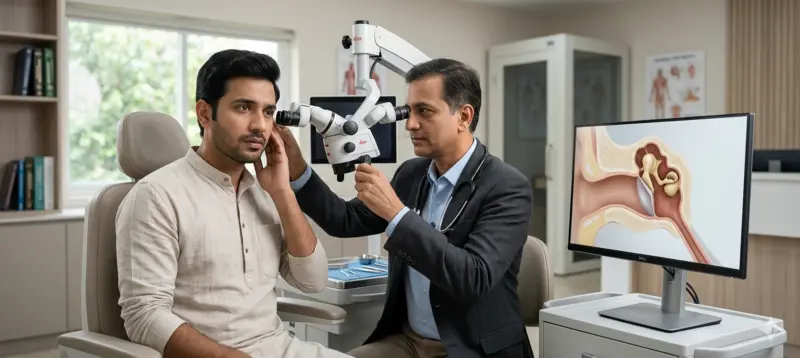
Your ear is doing something unusual. There is a persistent smell coming from it, a feeling of fullness that will not go away, and your hearing seems slightly off. It is easy to dismiss these signs as a lingering ear infection. But sometimes, they point to something that needs closer attention, like a cholesteatoma. The name sounds complicated, but understanding what it is, how it develops, and what can be done about it goes a long way in helping you act with confidence rather than worry. What Is Cholesteatoma? A cholesteatoma is an abnormal growth of skin cells that develops in the middle ear, behind the eardrum. It starts as a small cyst or pocket that fills with layers of dead skin. Over time, as those layers accumulate, the growth expands and begins to press against and erode the delicate structures of the middle ear. Although the name may sound alarming, a cholesteatoma is not cancerous. However, it does not behave like a simple cyst either. It releases enzymes that actively break down the surrounding bone, meaning it can cause serious and progressive damage if left untreated. Is Cholesteatoma a Tumour or Cancer? A cholesteatoma is neither a tumour in the traditional sense nor a form of cancer. It is a benign growth, meaning it does not spread to other parts of the body the way cancer does. However, it is destructive locally. Its ability to erode bone and expand into surrounding structures makes it medically significant and something that requires prompt attention. Calling it benign should not be mistaken for harmless. Without treatment, it can cause permanent hearing damage and, in rare cases, serious complications. How Cholesteatoma Develops The middle ear is a small, air-filled space that relies on a delicate pressure balance to function correctly. When that balance is disrupted, usually because the Eustachian tube is not working properly, the eardrum can be pulled inward. This creates a retracted pocket that gradually fills with shed skin cells. Normally, skin cells shed outward. In this retracted pocket, they have nowhere to go. They accumulate, layer upon layer, forming a growing mass. Over time, this mass expands, pressing against the ossicles (the three tiny bones of the middle ear) and the surrounding bone. The enzymes it produces accelerate this destruction, widening the damage as the cholesteatoma grows. In some cases, a cholesteatoma develops through a hole or perforation in the eardrum, through which skin cells migrate into the middle ear space. In rarer cases, it is present from birth. Types of Cholesteatoma Congenital cholesteatoma: This type is present from birth. It develops when skin cells become trapped in the middle ear during foetal development. A congenital cholesteatoma may not cause any symptoms until it grows large enough to affect hearing or other structures. It is sometimes discovered incidentally during a routine ear examination in children. Acquired cholesteatoma: This is the more common form and develops over time. It is further divided into two subtypes. The first is primary acquired cholesteatoma, which develops when a retracted eardrum creates a pocket that traps skin cells. The second is secondary acquired cholesteatoma, which develops when skin cells enter the middle ear through a perforation in the eardrum, often as a result of a chronic ear infection or injury. Causes of Cholesteatoma Eustachian tube dysfunction: When the tube that connects the middle ear to the back of the throat does not open and close properly, it disrupts air pressure in the middle ear, which can cause the eardrum to retract and form a pocket. Chronic ear infection: Repeated or long-standing ear infections are one of the most common contributors to acquired cholesteatoma. They can weaken the eardrum and create the conditions needed for a cholesteatoma to form. Eardrum perforation: A hole in the eardrum, whether from infection, trauma, or previous surgery, can allow skin cells to migrate into the middle ear and accumulate. Developmental factors: In congenital cases, the cause is related to the entrapment of skin cells during early foetal development, before birth. Previous ear surgery: In some cases, a cholesteatoma can develop as a complication following ear surgery. Symptoms of Cholesteatoma Symptoms often develop gradually, especially in the early stages. Being aware of them helps in seeking timely care. Ear discharge: A persistent, foul-smelling discharge from the ear, sometimes resembling pus, is often the most noticeable early symptom. This is one of the key symptoms to watch for as it is a common sign of ear discharge associated with cholesteatoma. Hearing loss: Typically affects one ear and progresses slowly. It often reflects damage to the ossicles responsible for transmitting sound. A feeling of pressure or fullness in the ear: This can feel similar to the sensation of a blocked ear that will not clear. Dizziness or balance problems: If the cholesteatoma grows large enough to affect the inner ear, it can cause a spinning sensation or unsteadiness. Tinnitus: A ringing or buzzing sound in the affected ear may accompany hearing loss. Facial weakness: In rare, more advanced cases, if the growth presses on the facial nerve, it can cause weakness or numbness on one side of the face. Recurrent ear infections: Repeated infections that do not fully resolve may be a sign of an underlying cholesteatoma. Complications of Untreated Cholesteatoma Because a cholesteatoma erodes bone progressively, delaying treatment allows it to cause increasingly serious damage. Permanent conductive hearing loss: As the ossicles (the malleus, incus, and stapes) are destroyed, sound can no longer be transmitted effectively to the inner ear, resulting in lasting hearing impairment. Sensorineural hearing loss: If the cholesteatoma breaches the inner ear, it can damage the cochlea, causing a deeper, more permanent form of hearing loss. Vertigo and balance disorders: Inner ear involvement disrupts the vestibular system, leading to severe dizziness and difficulty maintaining balance. Facial nerve damage: If the growth reaches the facial nerve canal, it can cause facial paralysis or weakness on the affected side. Mastoiditis: Spread of infection to the mastoid bone (the bony structure behind the ear) can cause pain, swelling, and systemic infection. Meningitis: In rare and severe cases, infection from a cholesteatoma can spread to the membranes surrounding the brain, a medical emergency. Brain abscess: Infection spreading beyond the ear into the brain is a rare but life-threatening complication. These risks are exactly why a cholesteatoma, despite being non-cancerous, should never be left untreated. How Cholesteatoma Is Diagnosed Diagnosis involves a combination of clinical examination and investigations. Medical history: Your doctor will ask about symptoms such as ear discharge, hearing changes, recurring ear infections, or any previous ear surgery or injury. Otoscopic examination: Using an otoscope, the doctor examines the ear canal and eardrum for signs of retraction, perforation, or a visible mass. A white, pearly growth visible through or near the eardrum is a classic finding. Referral to an ENT specialist: If a cholesteatoma is suspected, you will be referred to an otolaryngologist (ear, nose, and throat specialist) or an otologist for further evaluation and management. Hearing tests: An audiogram and tympanometry test help assess the degree of hearing loss and how well the eardrum and middle ear are functioning. CT scan: A computed tomography scan of the temporal bone provides detailed images of the middle ear and surrounding structures, helping assess the size and extent of the cholesteatoma and the degree of bone erosion. Treatment Options for Cholesteatoma Surgery is the only definitive treatment for a cholesteatoma. No medication can shrink or remove it. Mastoidectomy: This is the most common surgical procedure for cholesteatoma. The surgeon removes the cholesteatoma and any infected or damaged bone in the mastoid (the air-filled bone behind the ear). There are different types of mastoidectomy, and the approach used depends on the size and spread of the cholesteatoma. Tympanoplasty: This procedure repairs the eardrum, often performed alongside a mastoidectomy. If the ossicles have been damaged, ossiculoplasty (reconstruction of the small bones) may also be carried out to restore hearing function. Staged surgery: In some cases, particularly when the cholesteatoma is extensive, surgery is carried out in two stages. The first removes the cholesteatoma, and the second, performed several months later, checks for any recurrence and completes the hearing reconstruction. Ear cleaning (debridement): For those who are not suitable for surgery, regular cleaning under a microscope by a specialist can help manage the condition, though it does not remove the cholesteatoma. Recovery After Cholesteatoma Surgery Recovery varies depending on the extent of surgery, but most people can expect to return to normal activities within a few weeks. Your surgeon will advise you to keep the ear dry during the healing period, typically for several weeks. Dressings may need to be changed at follow-up appointments. It is important to attend all post-operative visits, as the specialist will check for healing, monitor hearing recovery, and look for any signs of recurrence. Some people experience temporary dizziness or altered hearing after surgery, which usually improves as the ear heals. In cases where ossiculoplasty was performed, hearing improvement may take a few months to become apparent. Because cholesteatomas can recur, long-term follow-up ear examinations and hearing tests are an essential part of care after surgery. Preventing Cholesteatoma Congenital cholesteatoma cannot be prevented. However, for acquired cholesteatoma, there are steps you can take to reduce your risk. Treat ear infections promptly and completely, and avoid letting them become chronic. See a doctor if you experience repeated ear infections that keep coming back. Protect your ears from injury and activities that could cause eardrum perforation. Avoid inserting objects into the ear canal, which can damage the eardrum. Seek early medical advice for persistent ear discharge, muffled hearing, or a feeling of blocked ears. Ear Infection Management Chronic ear infection is one of the leading risk factors for acquired cholesteatoma. Managing ear infections well is an important part of prevention. Complete the full course of antibiotics prescribed for an ear infection, even if symptoms improve early. Attend follow-up appointments to confirm the infection has fully cleared. Discuss with your doctor if ear infections keep recurring, as there may be an underlying reason such as Eustachian tube dysfunction that needs to be addressed. Avoid swimming or getting water in the ear during and after an active infection. Do not use cotton buds or other objects to clean inside the ear canal, as this can push debris inward or damage the eardrum. When to See an ENT Specialist You should seek medical attention promptly if you notice: A persistent foul-smelling or unusual discharge from one ear Gradual hearing loss in one ear, particularly if it is getting worse A feeling of pressure or fullness in the ear that does not resolve Repeated ear infections that keep returning Dizziness or balance problems alongside ear symptoms Ringing in one ear without an obvious cause Any facial weakness or numbness alongside ear symptoms These symptoms should not be dismissed as a simple infection, particularly if they persist or worsen. Seeing an ENT specialist early allows for accurate diagnosis and timely intervention before the condition progresses. Take a Proactive Approach to Your Ear and Overall Health If you or someone you care for has been experiencing symptoms that may point to a cholesteatoma, acting early makes a significant difference. While the diagnosis and treatment of cholesteatoma itself involves specialist care, supporting your overall health through regular monitoring is something you can actively do. Metropolis Healthcare offers a wide range of diagnostic tests, including speciality hearing-related investigations and full body health checkups, to give you a clearer picture of your health. With home sample collection available across an extensive network, easy booking through the website, app, WhatsApp, or phone, and quick, reliable reports, Metropolis makes proactive health management simple and accessible. Because staying informed about your health should never feel complicated. Frequently Asked Questions Is Cholesteatoma Dangerous? A cholesteatoma is not cancerous, but it is medically serious. If left untreated, it erodes bone and damages the structures of the middle and inner ear, potentially causing permanent hearing loss, vertigo, facial nerve damage, and, in rare cases, life-threatening complications like meningitis. Early treatment significantly reduces these risks. Can Cholesteatoma Come Back? Yes, cholesteatoma can recur after surgery. This is why long-term follow-up is so important. Your ENT specialist will schedule regular ear examinations and hearing tests to monitor for any signs of regrowth. In some cases, a planned second operation is part of the initial treatment strategy to check for recurrence and complete reconstruction. Can Cholesteatoma Heal Without Surgery? No, a cholesteatoma cannot heal or resolve on its own. Surgery is the only effective treatment. Some people who are not fit for surgery may receive regular ear cleaning to manage the condition, but this does not remove the cholesteatoma and is not a cure. Delaying surgery allows the growth to expand and cause more damage. Does Cholesteatoma Cause Hearing Loss? Yes, hearing loss is one of the most common consequences of cholesteatoma. As the growth erodes the ossicles, the tiny bones responsible for transmitting sound, it leads to progressive conductive hearing loss. If the inner ear is affected, sensorineural hearing loss can also develop. In some cases, hearing can be partially restored through reconstructive surgery, but early treatment offers the best outcomes. How Common Is Cholesteatoma? Cholesteatoma is not a common condition, but it is not extremely rare either. It is seen more frequently in people with a history of chronic ear infections or recurrent middle ear problems. Congenital cholesteatoma is less common than the acquired form. Because symptoms can be subtle at first, some cases are diagnosed later than ideal. How Long Is Recovery After Surgery? Recovery after cholesteatoma surgery depends on the type and extent of the procedure. Most people can return to light daily activities within one to two weeks. Complete healing of the ear may take several weeks to a few months. Your surgeon will advise you on when it is safe to get the ear wet, return to work, and resume physical activity. Regular follow-up appointments are essential during the recovery period. References Kuo CL, Shiao AS, Yung M, et al. Updates and knowledge gaps in cholesteatoma research. Biomed Res Int. 2015;2015:854024. Persaud R, Hajioff D, Trinidade A, et al. Evidence-based review of aetiopathogenesis of otitis media with effusion. Clin Otolaryngol. 2004;29(4):318-325. Yung MW. The use of middle ear endoscopy: has it come of age? J Laryngol Otol. 2004;118(2):87-92. Jackler RK, Luxford WM, House WF. Congenital cholesteatoma of the middle ear and mastoid: a panel discussion on the role of CT scanning. Otolaryngol Head Neck Surg. 1987;96(1):12-17. Mehta RP, Harris JP. Mastoid surgery. Curr Opin Otolaryngol Head Neck Surg. 2001;9(5):313-317. Dornhoffer JL, Milewski C. Management of the open mastoid cavity. Otolaryngol Clin North Am. 1994;27(1):47-56. Quaranta A, Campobasso G, Piazza F, Quaranta N, Salonna I. Cholesteatoma of the middle ear: evaluation of the factors influencing surgical outcome in open and closed tympanoplasty. Acta Otolaryngol. 2001;121(2):243-248.
Ingrown Hair: Why It Occurs and How to Treat It
You shave, and a day or two later, you notice a small, sore bump where the hair used to be. It is red, slightly raised, and refuses to go away quickly. This is an ingrown hair, and if you have experienced one, you know how frustrating it can be, especially when it keeps coming back. The good news is that ingrown hairs are very common, usually harmless, and almost always manageable with the right approach. Understanding why they happen and what you can do about them makes a real difference. What Is an Ingrown Hair? An ingrown hair is a strand of hair that, instead of growing upward and out of the skin, curves back and re-enters the skin or grows sideways beneath the surface. This causes the skin to react as if the hair is a foreign object, triggering inflammation, redness, and often a small, tender bump. Ingrown hairs can affect anyone and can appear anywhere on the body where hair grows and is regularly removed. They go by several common names, including razor bumps, shave bumps, and barber bumps, all of which hint at their most frequent cause. Why Do Ingrown Hairs Occur? Hair grows out of follicles just beneath the surface of the skin. When hair is shaved, waxed, or tweezed, only the visible strand is removed. The follicle remains active and continues to produce new hair. If the tip of that new hair is sharp or angled, or if the follicle opening is blocked, the hair can curl back and pierce the skin rather than growing outward freely. People with thick, coarse, or curly hair are particularly prone to ingrown hairs because the natural curl of the hair makes it more likely to loop back into the skin. Similarly, people with skin of colour are more commonly affected due to the texture and growth pattern of the hair. Hair follicle inflammation is the body's response to this process, which is why ingrown hairs often look and feel like small, inflamed bumps. Common Causes of Ingrown Hair Shaving: The most frequent cause of ingrown hairs. Shaving creates a sharp, angled tip on the hair, which makes it easier for it to pierce back into the skin as it regrows. Shaving against the direction of hair growth increases this risk further. Waxing and tweezing: These methods pull hair from the root, but the new hair that grows in can sometimes emerge at an angle, particularly if the follicle opening becomes slightly distorted in the process. Dead skin cell buildup: Accumulated dead skin cells can block the follicle opening, forcing the growing hair to redirect inward rather than emerge normally. Tight clothing: Constant friction from tight waistbands, underwear, or leggings can irritate the skin around hair follicles and encourage hairs to grow inward, particularly in the groin and thigh area. Dry skin: Dry, rough skin is less pliable and can make it harder for hair to push through the surface properly. Hair texture: Naturally curly, coarse, or tightly coiled hair has a greater tendency to curve back into the skin, making some people more susceptible than others regardless of their hair removal method. Symptoms of Ingrown Hair Ingrown hairs are generally easy to recognise. Common symptoms include: Small, raised bumps on the skin, often with a visible hair trapped in the centre Redness and inflammation around the bump Tenderness or pain when the area is touched Itching at or around the affected site Skin discolouration, appearing red, brown, or purple depending on your skin tone Pus-filled bumps (pustules) if the area becomes infected Darkening of the skin over time, particularly in areas that are repeatedly affected In most cases, ingrown hairs are mild and resolve without significant intervention. However, when they become infected, symptoms can worsen and medical attention may be needed. Where Ingrown Hairs Commonly Occur Ingrown hairs most frequently appear in areas where hair is regularly removed: The face, particularly the neck, jawline, and chin in men who shave The legs, especially along the shins and thighs The underarms (armpits) The bikini line and inner thighs The pubic area They can also appear less commonly on the scalp, chest, back, and abdomen. How Ingrown Hair Is Diagnosed In most cases, you can recognise an ingrown hair yourself based on its appearance and location. A small bump in an area you regularly shave or wax, with a hair visibly trapped beneath or within the skin, is usually enough for a confident identification. If you visit a doctor, they will confirm the diagnosis through a straightforward physical examination. They may ask about your hair removal routine, how often you shave or wax, what products and tools you use, and whether the bumps are recurring. This helps them assess whether any changes to your routine might reduce the frequency of ingrown hairs or whether an infection needs treatment. In rare cases where the bumps are persistent or unusual in appearance, a doctor may want to rule out other skin conditions before confirming the diagnosis. Treatment Options for Ingrown Hair Most ingrown hairs respond well to simple measures. Here is what can help: Warm compress: Applying a warm, moist cloth to the area for 10 to 15 minutes helps open the pores and softens the skin, making it easier for the trapped hair to release naturally. This is one of the most effective and gentle first steps. Gentle exfoliation: Using a soft washcloth, an exfoliating brush, or a mild scrub in small, circular motions helps remove dead skin cells and can encourage the hair to find its way out. Use warm, not hot, water. Stop hair removal temporarily: Giving the area a break from shaving irritation or waxing allows the skin to settle and the hair to grow out more freely. Careful extraction at home: If the hair loop is clearly visible above the surface of the skin, you may gently lift it using sterile tweezers or a needle. Apply rubbing alcohol to the surrounding skin first. Do not dig into the skin or squeeze the bump, as this increases the risk of infection and scarring. Topical treatments: Over-the-counter options such as mild hydrocortisone cream can reduce redness and inflammation. Benzoyl peroxide may be helpful if infection is a concern. Prescription medications: If the ingrown hair becomes infected or frequently recurs, your doctor may prescribe antibiotic creams or tablets, retinoid creams to help clear dead skin, or steroid creams to reduce inflammation. Electrolysis or laser hair removal: For people who experience persistent or recurring ingrown hairs, these longer-term hair removal methods address the problem at the root. Laser hair removal works best on darker hair, while electrolysis can be used across a wider range of hair types. How to Prevent Ingrown Hair The right hair removal technique makes a significant difference in preventing ingrown hairs from forming: Soak the skin in warm water for at least a few minutes before shaving to soften the hair and open the follicles Apply a shaving gel or cream to create a protective layer between the blade and your skin Use a sharp, single-blade razor rather than multi-blade razors, which can cut the hair too short and increase the risk of it growing back under the skin Shave in the direction of hair growth, not against it Rinse the blade after every stroke to prevent buildup Change razor blades frequently, as a dull blade increases shaving irritation Exfoliate regularly to keep follicles clear of dead skin cells Moisturise after shaving to keep the skin supple Avoid tight clothing over areas prone to ingrown hairs, particularly immediately after hair removal Complications of Ingrown Hair While ingrown hairs are generally minor, neglecting them or handling them incorrectly can lead to complications: Infection: Picking, squeezing, or repeatedly irritating an ingrown hair introduces bacteria into the skin, leading to a localised infection with pus, increased pain, and swelling. Scarring: Repeated inflammation, infection, or aggressive attempts to extract ingrown hairs can leave permanent scars or raised tissue at the site. Post-inflammatory hyperpigmentation: Darker patches of skin can develop after the bump heals, particularly in people with darker skin tones. This discolouration may take weeks or months to fade. Chronic ingrown hairs: For some people, recurring ingrown hairs in the same area become an ongoing issue, causing persistent discomfort and potential long-term skin changes. Pseudofolliculitis barbae: A condition common in men who shave frequently, particularly those with coarse or curly facial hair, in which widespread razor bumps develop across the beard area and can become a chronic skin concern. Ingrown Hair in Men vs Women Ingrown hairs are common in both men and women, but the areas most affected and the contributing factors differ. In men, the beard area is the most frequent site. Shaving every day or every few days means the hair in this area is constantly being cut to a sharp tip, and facial skin, particularly on the neck, can be uneven in texture, making it easier for hair to re-enter the skin. Men with thick or curly facial hair are especially prone. In women, ingrown hairs are most common on the legs, underarms, and bikini line. Waxing and shaving these areas regularly, combined with the friction of clothing, creates the conditions in which ingrown hairs frequently develop. Hormonal changes can also affect hair growth patterns and skin texture, influencing how often ingrown hairs occur. In both cases, the underlying causes and management principles are the same. Technique, skin preparation, and regular exfoliation are key. Ingrown Hair in Sensitive Skin People with sensitive skin face an added challenge when it comes to ingrown hairs. The skin reacts more readily to the friction of shaving, the chemicals in hair removal products, and the inflammation caused by the trapped hair itself. This can lead to more pronounced redness, greater discomfort, and a higher likelihood of post-inflammatory discolouration. For sensitive skin, a few additional measures help. Fragrance-free shaving gels and aftercare products reduce the chance of irritation. Switching to an electric razor held slightly above the skin surface rather than pressing it flat minimises contact trauma. Allowing more time between shaving sessions gives the skin a chance to recover. And moisturising consistently helps maintain the skin's barrier function, making it more resilient overall. If you have sensitive skin and ingrown hairs are a recurring problem, it is worth discussing options like laser hair removal with a dermatologist, as it can significantly reduce the frequency of the issue over time. When to See a Doctor Most ingrown hairs resolve on their own or with simple home care. However, it is worth seeing a doctor if: The bump is growing larger, more painful, or increasingly red There are signs of infection, such as pus, warmth, or spreading redness around the bump You develop a fever alongside a very inflamed ingrown hair Ingrown hairs keep coming back in the same area despite changing your hair removal technique You notice significant scarring or skin discolouration from recurring ingrown hairs Home treatments have not helped after two weeks A doctor or dermatologist can assess the area, treat any infection, and advise on longer-term solutions if ingrown hairs are a persistent issue for you. Stay on Top of Your Skin and Overall Health with Metropolis Healthcare Healthy skin starts with healthy habits, and paying attention to changes in your body is always a good idea. While ingrown hairs are usually manageable at home, they can sometimes be a sign of underlying skin sensitivities, hormonal imbalances, or conditions that benefit from a closer look. Metropolis Healthcare offers a comprehensive range of diagnostic tests, including hormonal panels, skin health markers, and full body checkups, to help you stay informed about your overall wellbeing. With home sample collection available across an extensive network of over 10,000 touchpoints, accurate and reliable results, and easy booking through the website, app, WhatsApp, or phone, taking a proactive approach to your health has never been more convenient. Because good health is about more than managing one concern at a time. It is about staying ahead. Frequently Asked Questions How Do You Get Rid of Ingrown Hair Fast? The quickest and safest approach is to apply a warm compress to the area for 10 to 15 minutes to soften the skin and open the pores. Follow this with gentle circular exfoliation using a clean washcloth. If the hair is visibly looped above the surface of the skin, you can carefully lift it using sterile tweezers. Avoid squeezing or digging into the skin. A mild topical steroid cream can help reduce inflammation quickly if the bump is particularly red or swollen. Can Ingrown Hair Cause Infection? Yes. When the skin around an ingrown hair is picked at, squeezed, or repeatedly irritated, bacteria can enter and cause an infection. Signs of infection include increasing pain, swelling, warmth, pus discharge, and spreading redness around the bump. If you notice these signs, see a doctor, as antibiotic treatment may be needed to clear the infection and prevent complications such as scarring. Is It Safe to Pull Out an Ingrown Hair? It can be safe to gently lift an ingrown hair if the loop is clearly visible above the skin surface. Sterilise the tweezers or needle with rubbing alcohol first and apply alcohol to the surrounding skin. Then gently lift the exposed loop until one end comes free. Do not dig into the skin, press down on the bump, or attempt to extract a hair that is deeply embedded, as this significantly increases the risk of infection and scarring. If in doubt, leave it alone and let it resolve naturally. Do Ingrown Hairs Go Away on Their Own? In most cases, yes. Ingrown hairs typically resolve on their own within one to two weeks as the hair grows longer and eventually breaks through the skin surface. Simple measures like warm compresses and gentle exfoliation can speed up this process. However, if the ingrown hair becomes infected, causes significant pain, or does not improve after two weeks, medical attention is advisable. How Can I Prevent Razor Bumps? The most effective way to prevent razor bumps is to optimise your shaving technique. Always shave on wet, softened skin using a shaving gel or cream. Use a sharp, single-blade razor and shave in the direction of hair growth rather than against it. Rinse the blade frequently and replace it often. Exfoliate a day or two before shaving to clear away dead skin cells. After shaving, apply a gentle, fragrance-free moisturiser to calm the skin. If razor bumps are a persistent issue, consider switching to an electric razor or exploring longer-term hair removal options. References Alexis AF, Heath CR, Halder RM. Folliculitis keloidalis nuchae and pseudofolliculitis barbae: are prevention and effective treatment within reach? Dermatol Clin. 2014;32(2):183-191. Ogunbiyi A. Pseudofolliculitis barbae: current treatment options. Clin Cosmet Investig Dermatol. 2019;12:241-247. Winter H, Schissel D, Parry DA, et al. An unusual Ala12Thr polymorphism in the 1A alpha-helical segment of the companion layer-specific keratin K6hf: evidence for a risk factor in the etiology of the common hair disorder pseudofolliculitis barbae. J Invest Dermatol. 2004;122(3):652-657. Perry PK, Cook-Bolden FE, Rahman Z, Jones E, Taylor SC. Defining pseudofolliculitis barbae in 2001: a review of the literature and current trends. J Am Acad Dermatol. 2002;46(2 Suppl Understanding):S113-S119. Gray J. World guidance on skin care. Dermatol Nurs. 2003;2(4):176-180. Bridgeman-Shah S. The medical and surgical therapy of pseudofolliculitis barbae. Dermatol Ther. 2004;17(2):158-163.

Lemongrass Tea Benefits: Uses, Nutrition and How to Drink It
There is something quietly refreshing about a warm cup of herbal tea that does more than just taste good. Lemongrass tea is one of those drinks that has been part of traditional wellness practices across Asia and beyond for centuries, and modern research is beginning to catch up with what many cultures have long known. Whether you are looking to support your digestion, unwind after a long day, or simply add a nourishing drink to your routine, lemongrass tea is worth knowing about. What Is Lemongrass Tea? Lemongrass tea is a caffeine-free herbal infusion made from the stalks and leaves of the lemongrass plant, known botanically as Cymbopogon citratus. The plant is tall, stalky, and carries a distinctive fresh, citrusy aroma that comes from its active compounds, particularly citral. Native to tropical regions including South Asia and Southeast Asia, lemongrass is widely used in cooking, traditional medicine, and aromatherapy. When brewed as a tea, it delivers a light, lemony flavour with a slightly earthy undertone and offers a range of potential health benefits without the stimulant effects of caffeine. Nutritional Value of Lemongrass Tea Lemongrass tea is not calorie-dense, but it contains a useful range of nutrients and bioactive compounds that contribute to its health properties: Antioxidants: Notably chlorogenic acid, isoorientin, and swertiajaponin, which help neutralise free radicals and protect cells from oxidative damage Vitamin C: Supports immune function and skin health Iron: Important for red blood cell production and energy levels Potassium: Helps regulate blood pressure and support heart function Magnesium: Involved in muscle function, nerve health, and energy metabolism Citral: The primary active compound in lemongrass, responsible for its antimicrobial and anti-inflammatory properties Flavonoids and polyphenols: Plant compounds that contribute to its antioxidant and anti-inflammatory effects Minimal calories: Making it a suitable addition to most dietary patterns Top Health Benefits of Lemongrass Tea The interest in lemongrass tea as one of the widely discussed herbal tea benefits is backed by a growing body of research. Here is what the evidence currently suggests: Antioxidant protection: Lemongrass contains several antioxidants that help the body scavenge free radicals, which are unstable molecules linked to cellular damage and chronic disease. Research from 2021 identified compounds including chlorogenic acid and isoorientin as particularly noteworthy in this regard. Antimicrobial properties: Studies have found that citral, the key compound in lemongrass, exhibits antimicrobial activity against a range of bacteria and fungi. One study found that lemongrass essential oil showed activity against Streptococcus mutans, the bacteria most associated with tooth decay, pointing to potential benefits for oral health. Anti-inflammatory effects: Chronic low-grade inflammation is thought to underlie many modern health conditions. Research suggests that lemongrass compounds may help reduce the release of certain pro-inflammatory markers in the body, making it a useful addition to an anti-inflammatory lifestyle. Blood pressure support: A study involving male volunteers found that those who drank lemongrass tea experienced a moderate reduction in systolic blood pressure compared to those who drank other beverages. A review of studies from 2021 also noted anti-hypertensive effects across several models. Those with existing heart conditions should speak to a doctor before using lemongrass regularly. Cholesterol regulation: Early research suggests that lemongrass extracts may help reduce cholesterol absorption in the gut. While more human studies are needed to confirm this, the initial findings are encouraging for cardiovascular health. Digestive comfort: Lemongrass tea is a traditional remedy for stomach discomfort, bloating, and cramps. Research on rodents found that lemongrass essential oil may help protect the stomach lining from damage caused by aspirin and alcohol. Natural diuretic effect: Lemongrass has well-documented diuretic properties, meaning it can help the body shed excess fluid through increased urine output. A study found that lemongrass tea increased urine output more than other beverages, which may be beneficial for managing water retention. Potential anticancer properties: Some research suggests that citral may have anticancer properties against certain cell lines, potentially by triggering cell death or supporting immune function. Lemongrass tea is sometimes used as an adjuvant therapy during cancer treatment, but this should always be done under the guidance of an oncologist and never as a replacement for prescribed treatment. Menstrual health: Lemongrass has traditionally been used to ease menstrual cramps and reduce bloating associated with the menstrual cycle. A 2019 study noted that lemongrass may help stimulate menstrual flow and ease associated discomfort. Weight management support: While direct evidence on lemongrass tea and weight loss is limited, its diuretic properties can help reduce water retention. Replacing sugary drinks with herbal teas like lemongrass is also a simple way to reduce overall calorie intake as part of a balanced approach to weight management. Lemongrass Tea for Digestion If digestive discomfort is something you deal with regularly, lemongrass tea is a gentle option worth trying. It has long been used in traditional medicine as a natural remedy for bloating, stomach cramps, and an upset stomach, and early scientific evidence provides some support for these uses. The compounds in lemongrass may help relax the muscles of the digestive tract, making it easier to pass gas and ease cramping. Its mild diuretic effect can also reduce the sensation of bloating caused by water retention. Drinking a cup after meals is a simple digestion improvement tip that many people find helpful as part of their daily routine. Think of it as one of the softer, more enjoyable detox drinks you can incorporate into your day. Lemongrass Tea for Weight Loss Lemongrass tea alone will not cause significant weight loss, and it is important to set realistic expectations. However, as part of a balanced diet and active lifestyle, it can play a supportive role. Its diuretic properties mean it may help reduce temporary water weight. More practically, swapping a sweetened beverage for a cup of unsweetened lemongrass tea is an easy way to reduce sugar and calorie intake without sacrificing the ritual of a warm or cold drink. It can help curb cravings and contribute to a greater feeling of fullness when consumed between meals. For best results, alternate it with plain water rather than drinking it exclusively throughout the day. Lemongrass Tea for Sleep and Stress Lemongrass has a naturally calming aroma, and this extends to its effect when consumed as a tea. Its caffeine-free nature makes it a good choice for the evening, and some people find that its mild sedative properties help them unwind before bed. While robust clinical evidence specifically on lemongrass tea and sleep is still limited, the experience of drinking a warm herbal tea in the evening is itself a well-known relaxation ritual that signals the body to slow down. If stress and an overactive mind are contributing to poor sleep quality, making lemongrass tea part of a calming bedtime routine may offer gentle, natural support. Best Time to Drink Lemongrass Tea Lemongrass tea is versatile enough to be enjoyed at different times of the day, with slightly different benefits at each: Morning: A cup on an empty stomach may support digestion and give you a refreshing, caffeine-free start to the day After meals: Helps ease bloating and stomach discomfort, and supports the digestive process Mid-afternoon: A good replacement for caffeinated drinks when you want something warm and calming without disrupting sleep later Evening: Its calming properties make it well-suited to an evening wind-down routine before bed Starting with one cup per day is sensible, particularly if you are new to lemongrass tea. You can gradually increase to two or three cups if you tolerate it well. How to Prepare Lemongrass Tea Making lemongrass tea at home is simple, whether you use fresh stalks, dried lemongrass, or tea bags. Hot Lemongrass Tea Take one to two fresh lemongrass stalks (or one to three teaspoons of dried lemongrass, or one tea bag) If using fresh stalks, trim the ends and remove the outer layers, then bruise the stalk lightly with the back of a knife to help release the essential oils Bring one cup of water to a boil Add the lemongrass and reduce to a simmer, allowing it to steep for five to ten minutes Strain the tea into a cup Serve as is, or add a slice of ginger, a sprig of fresh mint, or a teaspoon of honey to taste Iced Lemongrass Tea Prepare the hot tea as above using a slightly stronger brew (two stalks or two teaspoons of dried lemongrass) Allow the tea to cool to room temperature Pour over a glass of ice Add a squeeze of fresh lime juice and mint leaves for a more refreshing flavour Sweeten lightly with honey if preferred Possible Side Effects of Lemongrass Tea Lemongrass tea is generally well tolerated when consumed in moderate amounts. However, some people may experience side effects, particularly at higher doses: Dizziness or lightheadedness Increased thirst or dry mouth Increased urination, due to its diuretic properties Fatigue or tiredness Increased hunger Allergic reactions in sensitive individuals, which may include skin rash, itching, or difficulty breathing. Seek medical attention promptly if these occur. As with any herbal remedy, moderation is key. Starting with one cup a day and monitoring how your body responds is the most sensible approach. Who Should Avoid Lemongrass Tea? While lemongrass tea is safe for most healthy adults, certain groups should exercise caution or avoid it altogether: Pregnant women: Lemongrass may stimulate menstrual flow and uterine contractions, which makes it inadvisable during pregnancy People with low blood pressure: The blood pressure-lowering effects of lemongrass could be excessive in people who already have hypotension Those with a low or slow heart rate: Research suggests lemongrass may reduce heart rate, which could be problematic in people who already have a naturally low pulse People on prescription diuretics: Combining lemongrass with diuretic medications could lead to excessive fluid loss Those with low potassium levels: The diuretic effect of lemongrass may lower potassium further, which can affect heart and muscle function People with known allergies to lemongrass or related plants: Avoid consumption and consult a doctor If you are managing a chronic health condition or taking regular medication, always speak to your doctor before adding lemongrass tea to your routine. Tips to Maximise Lemongrass Tea Benefits Getting the most out of your cup of lemongrass tea comes down to a few simple habits: Use fresh lemongrass stalks when possible, as they tend to have a higher concentration of active compounds compared to pre-packaged bags Bruise or crush the stalks lightly before brewing to help release the essential oils Steep for at least five minutes to allow the beneficial compounds to fully infuse into the water Drink without sugar or with a small amount of natural sweetener like honey to keep it as nutritious as possible Pair with other immunity boosting foods such as ginger, citrus fruits, and green leafy vegetables for a more comprehensive approach to wellness Alternate with plain water throughout the day to stay well hydrated Purchase lemongrass tea from reputable brands or grow your own at home for the freshest quality Do not use it as a substitute for prescribed medication Support Your Wellness Journey with Metropolis Healthcare Adding nourishing drinks like lemongrass tea to your daily routine is a wonderful step towards a healthier lifestyle. But true wellbeing goes beyond what you eat and drink. Regular health monitoring helps you understand how your body is doing on the inside, so you can act early when something needs attention. Metropolis Healthcare offers over 4,000 tests, including full body checkups, nutritional panels, and cardiovascular health screenings, to give you a comprehensive picture of your health. With the convenience of home sample collection across a network of over 10,000 touchpoints, quick turnaround times, and easy booking through the website, app, WhatsApp, or phone, staying on top of your health has never been simpler. Because preventive health is not a one-time event. It is a habit, and it starts with taking the right steps today. Frequently Asked Questions Is Lemongrass Tea Safe to Drink Daily? For most healthy adults, one to three cups of lemongrass tea per day is generally considered safe. It is caffeine-free, low in calories, and well tolerated when consumed in moderate amounts. However, people who are pregnant, have low blood pressure, a slow heart rate, or are on diuretic medications should consult a doctor before drinking it regularly. Starting with one cup a day and observing how your body responds is always a sensible approach. Does Lemongrass Tea Help with Weight Loss? Lemongrass tea is not a weight loss remedy on its own. However, it can support weight management efforts in a broader context. Its diuretic properties may help reduce water retention, and replacing calorie-laden sugary drinks with herbal teas is a meaningful dietary change over time. It works best as part of a balanced diet and an active lifestyle, not as a standalone solution. Can Lemongrass Tea Improve Digestion? Yes, there is both traditional use and some scientific evidence to support lemongrass tea as a digestive aid. It may help relieve bloating, stomach cramps, and general digestive discomfort. Research suggests it can also help protect the stomach lining from certain types of damage. Drinking a cup after meals is a simple way to use it for digestive support. What Is the Best Time to Drink Lemongrass Tea? The best time depends on what benefit you are looking for. In the morning, it can offer a refreshing and detoxifying start. After meals, it supports digestion and helps ease bloating. In the evening, its caffeine-free and calming nature makes it ideal as part of a wind-down routine before sleep. There is no single best time, as it is gentle enough to be enjoyed throughout the day. Are There Side Effects of Lemongrass Tea? Most people tolerate lemongrass tea well when drinking moderate amounts. Possible side effects include increased urination, dizziness, dry mouth, fatigue, and increased hunger. In rare cases, allergic reactions can occur. People with certain health conditions or who are pregnant should avoid it or seek medical guidance before consuming it. As with any herbal drink, moderation and awareness of your own body's response are key. References Adukwu EC, Bowles M, Edwards-Jones V, Bone H. Antimicrobial activity, cytotoxicity and chemical analysis of lemongrass essential oil and its active components. Molecules. 2020;25(20):4706. Ekpenyong CE, Akpan EE. Use of Cymbopogon citratus and Zingiber officinale in folk medicine: ethnobotanical study and neuroactive potentials. J Basic Clin Physiol Pharmacol. 2015;26(6):559-576. Figueirinha A, Cruz MT, Francisco V, Lopes MC, Batista MT. Anti-inflammatory activity of Cymbopogon citratus leaf infusion in lipopolysaccharide-stimulated dendritic cells. J Med Food. 2010;13(3):681-690. Cheel J, Theoduloz C, Rodriguez J, Schmeda-Hirschmann G. Free radical scavengers and antioxidants from lemongrass (Cymbopogon citratus (DC.) Stapf). J Agric Food Chem. 2005;53(7):2511-2517. Olorunnisola OS, Bradley G, Afolayan AJ. Protective effect of C. citratus tea against gamma radiation-induced oxidative stress. Phytomedicine. 2012;19(11):941-948. Carbajal D, Casaco A, Arruzazabala L, Gonzalez R, Tolon Z. Pharmacological study of Cymbopogon citratus leaves. J Ethnopharmacol. 1989;25(1):103-107. Shah G, Shri R, Panchal V, Sharma N, Singh B, Mann AS. Scientific basis for the therapeutic use of Cymbopogon citratus, stapf (lemon grass). J Adv Pharm Technol Res. 2011;2(1):3-8.

World Liver Day 2026: Understanding Liver Health and Preventive Measures
Your liver works quietly every single day, filtering toxins, processing nutrients, regulating metabolism, and keeping your body in balance. Yet liver disease remains one of the most underestimated health threats globally, often developing without any obvious symptoms until significant damage has already occurred. World Liver Day is an opportunity to change that, by raising awareness, encouraging early action, and reminding us all that a healthy liver is worth protecting. What Is World Liver Day? World Liver Day is a global health observance held every year on 19th April to raise awareness about liver disease, its prevention, and the importance of early detection. It is supported by leading international medical associations including the European Association for the Study of the Liver (EASL), the American Association for the Study of Liver Diseases (AASLD), the Asia Pacific Association for the Study of the Liver (APASL), and the Latin American Association for the Study of the Liver (ALEH). The day brings together hepatologists, healthcare providers, policymakers, patients, and the public to highlight the growing burden of liver disease worldwide. Its focus spans a wide range of conditions, from hepatitis awareness and fatty liver disease to cirrhosis and liver cancer, with a consistent emphasis on the fact that many of these conditions are largely preventable through informed lifestyle choices and timely screening. When Is World Liver Day 2026 Celebrated? World Liver Day 2026 is celebrated on Sunday, 19th April. The date holds particular significance as it commemorates the founding of the European Association for the Study of the Liver (EASL) in 1966, the organisation that first established the observance. Each year on this date, the global medical community and public health advocates come together to advance the conversation around liver health and disease prevention. The Theme of World Liver Day 2026 The theme of World Liver Day 2026 is "Solid Habits, Strong Liver." It is a straightforward and powerful message: the health of your liver is built over time, through the everyday choices you make around food, movement, alcohol, and self-care. This theme reinforces the idea that liver disease is not inevitable. In the majority of cases, the most serious liver conditions are preventable. By building consistent, healthy habits, you give your liver the best possible environment to function well and recover when needed. The 2026 theme follows a strong line of focused awareness campaigns in recent years: 2025: "Food is Medicine" 2024: "Be Vigilant, Get Regular Liver Check-Ups and Prevent Fatty Liver Diseases" 2023: "Be Vigilant, Do Regular Liver Check-Up, Fatty Liver Can Affect Anyone" 2022: "Keep Your Liver Healthy and Disease-Free" The History of World Liver Day The observance of World Liver Day has grown from a single association's initiative into a truly global campaign: 1966 - The European Association for the Study of the Liver (EASL) is founded, establishing itself as a leading body in liver research, education, and patient advocacy 2010 - EASL officially establishes World Liver Day on 19th April, choosing the date to commemorate its own founding and to create a dedicated annual platform for liver health awareness 2010 to 2015 - The observance grows steadily, with increasing participation from national hepatology societies, hospitals, and public health organisations across Europe and Asia 2016 onwards - International associations including AASLD, APASL, ALEH, and SOLDA join the global campaign, significantly expanding its reach across North America, Latin America, and the Asia Pacific region 2019 to present - Rising global rates of non-alcoholic fatty liver disease (NAFLD), driven by increasing obesity and diabetes, bring renewed urgency to the day's awareness efforts 2025 - The theme "Food is Medicine" highlights the direct link between nutrition and liver health, reflecting a growing body of research on dietary intervention in liver disease 2026 - "Solid Habits, Strong Liver" reinforces the long-term, lifestyle-centred approach to liver disease prevention as the cornerstone of this year's global campaign Why Liver Health Matters The liver is the second largest organ in the human body and one of the most hardworking. It performs over 500 functions that are essential to your survival and daily wellbeing. It filters toxins and waste products from the blood, processes nutrients absorbed from the digestive system, regulates metabolism, produces bile for fat digestion, synthesises proteins essential for blood clotting, and plays a key role in immune function. It also stores vitamins, minerals, and glucose for the body to draw on when needed. One of the liver's most remarkable qualities is its ability to regenerate. It can regrow or repair itself after losing up to 60 to 70% of its mass, a capacity unlike almost any other organ in the body. However, this resilience has limits. Chronic damage from alcohol, poor diet, viral infections, or prolonged inflammation can eventually overwhelm the liver's ability to repair itself, leading to permanent scarring and serious disease. The global burden of liver disease is significant. Approximately two million people die from liver-related causes every year worldwide. Cirrhosis accounts for roughly half of these deaths, while viral hepatitis and liver cancer account for the rest. Hepatitis awareness remains a critical public health priority, as hepatitis B and C together affect hundreds of millions of people globally, many of whom are undiagnosed and unaware of the damage occurring silently within their bodies. In India, liver disease is a growing concern. Fatty liver disease, alcohol-related liver conditions, and viral hepatitis all contribute to a rising disease burden, making public education and early detection more important than ever. Common Liver Diseases to Know About Understanding the conditions that affect the liver is the first step towards recognising warning signs and seeking timely care. Non-Alcoholic Fatty Liver Disease (NAFLD) NAFLD occurs when excess fat accumulates in the liver in people who drink little or no alcohol. It is closely linked to obesity, insulin resistance, high cholesterol, and type 2 diabetes. In its early stages, NAFLD is often silent. If left unmanaged, it can progress to non-alcoholic steatohepatitis (NASH), fibrosis, cirrhosis, and in some cases liver cancer. It is one of the most common liver conditions in India and worldwide. Alcoholic Fatty Liver Disease (AFLD) AFLD develops as a result of excessive and prolonged alcohol consumption. The liver metabolises alcohol, but chronic heavy drinking overwhelms this process, leading to fat accumulation, inflammation, and eventually cell damage. AFLD can progress to alcoholic hepatitis and cirrhosis if drinking continues. Hepatitis B and C Hepatitis refers to inflammation of the liver, most commonly caused by viral infection. Hepatitis B and C are spread through contact with infected blood or bodily fluids and can become chronic conditions if left untreated. Both significantly increase the risk of cirrhosis and liver cancer over time. Hepatitis awareness is central to World Liver Day, as many people with chronic hepatitis B or C are unaware they are infected. Liver Cirrhosis Cirrhosis is the result of long-term liver damage, where healthy liver tissue is progressively replaced by scar tissue. This scarring impairs the liver's ability to function and cannot be reversed once it has become advanced. Cirrhosis can develop from chronic hepatitis, prolonged alcohol use, or untreated fatty liver disease. Early diagnosis and lifestyle changes can slow its progression significantly. Liver Cancer Hepatocellular carcinoma, the most common form of liver cancer, most often develops in people who already have cirrhosis or chronic hepatitis B or C infection. Symptoms are often absent in the early stages, making regular screening for high-risk individuals particularly important. Debunking Common Liver Detox Myths The popularity of liver detox myths has grown alongside the wellness industry, but many widely held beliefs about "cleansing" the liver are not supported by medical evidence. Understanding what is and is not true can help you make better decisions for your liver health. Myth: Juice cleanses detox your liver The liver does not need external products to detox. It is itself the body's detoxification system, continuously filtering waste and harmful substances from the blood. No juice cleanse or detox drink accelerates or enhances this process. The best thing you can do is support your liver by eating well, staying hydrated, and avoiding substances that damage it. Myth: Herbal supplements are always safe for the liver Some herbal supplements, including certain traditional remedies and weight loss products, can actually be harmful to the liver. Drug-induced and supplement-induced liver injury is a growing concern globally. Always consult a doctor before taking herbal or over-the-counter supplements, particularly if you have an existing liver condition. Myth: You would know if something were wrong with your liver Most liver diseases progress silently. Fatty liver disease, early-stage hepatitis, and even mild cirrhosis can exist for years without causing noticeable symptoms. By the time symptoms such as jaundice, abdominal swelling, or extreme fatigue appear, the condition is often already advanced. This is precisely why routine screening matters. Myth: Small amounts of alcohol are fine for everyone While moderate alcohol intake may be tolerated by some, there is no universally safe level of alcohol consumption when it comes to liver health. Individuals with existing liver conditions, genetic susceptibilities, or concurrent medications may experience liver damage even at low levels of alcohol intake. How to Keep Your Liver Healthy The good news is that most liver diseases are preventable. These habits go a long way in supporting long-term liver health: Eat a balanced diet rich in fruits, vegetables, whole grains, legumes, and lean proteins. Limit processed foods, refined sugars, and saturated fats that contribute to fat accumulation in the liver Exercise regularly with at least 30 minutes of moderate activity most days of the week. Physical activity helps maintain a healthy weight and reduces liver fat Limit or avoid alcohol to protect your liver from inflammation and scarring. If you do drink, stay within recommended limits and take regular alcohol-free days Maintain a healthy weight to reduce the risk of NAFLD and metabolic liver disease. Even modest weight loss can have a meaningful impact on liver fat levels Get vaccinated against hepatitis A and hepatitis B, both of which can cause serious liver damage Avoid self-medication and use medications and supplements only as prescribed or recommended by a healthcare provider, as many can be toxic to the liver Minimise exposure to toxins including pesticides, industrial chemicals, and environmental pollutants that the liver must work harder to process Stay hydrated with adequate water intake each day to support overall metabolic function Do not share needles or engage in behaviours that increase the risk of hepatitis B or C transmission Which Tests Are Done for Liver Health? Many liver diseases develop without obvious symptoms, making routine screening an important part of proactive health management. If you have risk factors such as obesity, diabetes, a family history of liver disease, or a history of alcohol use, regular liver checks are particularly advisable. A preventive health checkup that includes liver function assessment can help detect problems early, when they are most treatable. Common tests used to assess liver health include: Liver Function Tests (LFTs) - A panel of blood tests that measure levels of liver enzymes, proteins, and bilirubin. Elevated levels can indicate liver inflammation, damage, or impaired function Hepatitis Panel - Blood tests that check for the presence of hepatitis B and C viruses, helping identify infections that may be causing silent liver damage Complete Blood Count (CBC Test) - Provides an overview of blood cell counts and can flag signs of infection, anaemia, or other conditions that may be linked to liver disease Ultrasound - An imaging test that helps visualise the liver's size, texture, and structure. It is commonly used to detect fatty liver, cysts, tumours, and bile duct abnormalities FibroScan - A non-invasive test that measures liver stiffness, helping assess the degree of fibrosis or scarring without the need for a biopsy CT Scan or MRI - Provide detailed imaging of the liver and surrounding structures, used when more precise information is needed to evaluate a suspected abnormality Liver Biopsy - A small sample of liver tissue is examined under a microscope to assess the extent of damage or disease. It is typically reserved for cases where other tests have not provided a clear diagnosis How World Liver Day Is Observed Across India and around the world, 19th April is marked with a wide range of activities: Public awareness campaigns organised by EASL, AASLD, APASL, and affiliated hepatology societies to highlight liver disease prevention and early detection Free liver screening camps and diagnostic drives, offering liver function tests and ultrasounds to the public, particularly in underserved communities Expert seminars, panel discussions, and webinars on topics ranging from fatty liver management to advances in hepatitis treatment Hospital and clinic open days where people can consult hepatologists and receive guidance on liver health Social media and digital campaigns sharing liver health tips, busting liver detox myths, and encouraging the public to book routine check-ups Educational programmes in schools, workplaces, and community centres focused on healthy eating, alcohol awareness, and hepatitis vaccination Policy advocacy events engaging governments and health authorities to strengthen national programmes for hepatitis screening, liver disease prevention, and access to treatment Key Takeaways World Liver Day is observed every year on 19th April to raise awareness about liver health, liver disease prevention, and early detection The theme for World Liver Day 2026 is "Solid Habits, Strong Liver," emphasising that consistent lifestyle choices are the foundation of liver health The day was established by the European Association for the Study of the Liver (EASL) in 2010, commemorating its founding in 1966 The liver performs over 500 functions including detoxification, metabolism, digestion, and immunity, and can regenerate up to 60 to 70% of its mass Common liver diseases include NAFLD, AFLD, hepatitis B and C, cirrhosis, and liver cancer, many of which develop silently without early symptoms Popular liver detox myths, including the belief that juice cleanses support liver health, are not supported by medical evidence Key habits for liver health include a balanced diet, regular exercise, limiting alcohol, maintaining a healthy weight, and getting vaccinated against hepatitis A and B Liver function tests, hepatitis panels, ultrasound, and FibroScan are among the common investigations used to assess liver health Hepatitis awareness and early screening remain critical, as many people with chronic hepatitis or fatty liver disease are undiagnosed Conclusion Your liver does not ask for much. It works around the clock without complaint, and in most cases, the habits that protect it are the same habits that support your overall health. World Liver Day 2026 is a timely reminder that solid, consistent choices are the most powerful tool you have for keeping your liver strong. Staying on top of your liver health does not have to be complicated. Routine blood tests and health screenings can give you a clear picture of how your liver is functioning, often revealing changes long before any symptoms appear. That early awareness is what makes a real difference. Metropolis Healthcare offers a comprehensive range of liver health tests and full body health packages, with accurate results, quick turnaround times, and the convenience of home sample collection. Book easily through the website, app, call, or WhatsApp. Because caring for your liver starts with knowing where you stand. Frequently Asked Questions About World Liver Day Can Fatty Liver Disease Be Reversed? In its early stages, fatty liver disease can often be reversed through lifestyle changes. Adopting a balanced diet, exercising regularly, maintaining a healthy weight, and reducing or eliminating alcohol intake can significantly reduce fat accumulation in the liver and allow it to recover. The liver's ability to regenerate means that early intervention can be highly effective. However, if fatty liver disease is left unmanaged and progresses to advanced fibrosis or cirrhosis, the damage becomes harder and in some cases impossible to reverse. This is why early detection through routine screening is so important. What Are the Early Signs of Liver Disease? Liver disease is often called a silent condition because many people experience no symptoms in its early stages. When symptoms do appear, they can include persistent fatigue, a feeling of heaviness or discomfort in the upper right abdomen, mild nausea, loss of appetite, and unexplained weight loss. As the condition progresses, more noticeable signs may develop, including yellowing of the skin or eyes (jaundice), dark urine, pale stools, swelling in the abdomen or legs, and easy bruising. If you notice any of these signs, particularly if you have known risk factors, it is important to seek medical advice promptly. How Often Should I Get My Liver Checked? For most healthy adults with no specific risk factors, an annual liver function test as part of a routine health check is generally considered adequate. However, if you have risk factors such as obesity, type 2 diabetes, high cholesterol, a history of significant alcohol use, or a family history of liver disease, more frequent monitoring may be advisable. Similarly, individuals who have been diagnosed with hepatitis B or C, or who have existing liver conditions, should follow a screening schedule recommended by their doctor. When in doubt, speaking to a healthcare provider about what is appropriate for your specific situation is always the best first step. References European Association for the Study of the Liver (EASL). World Liver Day. Available from: easl.eu World Health Organization. Hepatitis. Geneva: WHO; 2023. Available from: who.int Asrani SK, Devarbhavi H, Eaton J, Kamath PS. Burden of liver diseases in the world. J Hepatol. 2019;70(1):151-171. PMID: 30266282. Younossi ZM, Koenig AB, Abdelatif D, et al. Global epidemiology of nonalcoholic fatty liver disease. Hepatology. 2016;64(1):73-84. PMID: 26707365. Marcellin P, Kutala BK. Liver diseases: A major, neglected global public health problem requiring urgent actions and large-scale screening. Liver Int. 2018;38(S1):2-6. PMID: 29427488. Indian Council of Medical Research. Guidelines for Prevention, Diagnosis and Management of Hepatitis B and C. New Delhi: ICMR. Chalasani N, Younossi Z, Lavine JE, et al. The diagnosis and management of nonalcoholic fatty liver disease: Practice guidance from the American Association for the Study of Liver Diseases. Hepatology. 2018;67(1):328-357. PMID: 28714183.