Home Visit
 Upload






Torch 10 Test
Also known as: TORCH-10 Profile Test

No special precautions
Sample Type
Blood

Recommended for
Female

Report
Within 24 Hours

Blood test at Home

NABL & CAP Accredited Labs
Accurate & Quality Test Reports

Trusted by Leading Doctors & Hospitals
Torch 10 Test Overview
The Torch 10 test, also known as the Torch profile test, is a comprehensive blood test designed to detect a group of infections that can be transmitted from a mother to her developing foetus. By detecting these infections early, appropriate interventions can be implemented to minimise the potential for adverse outcomes. Additionally, the test is valuable for individuals with weakened immune systems or those who have had significant contact with individuals suffering from the infections covered in the Torch profile test.
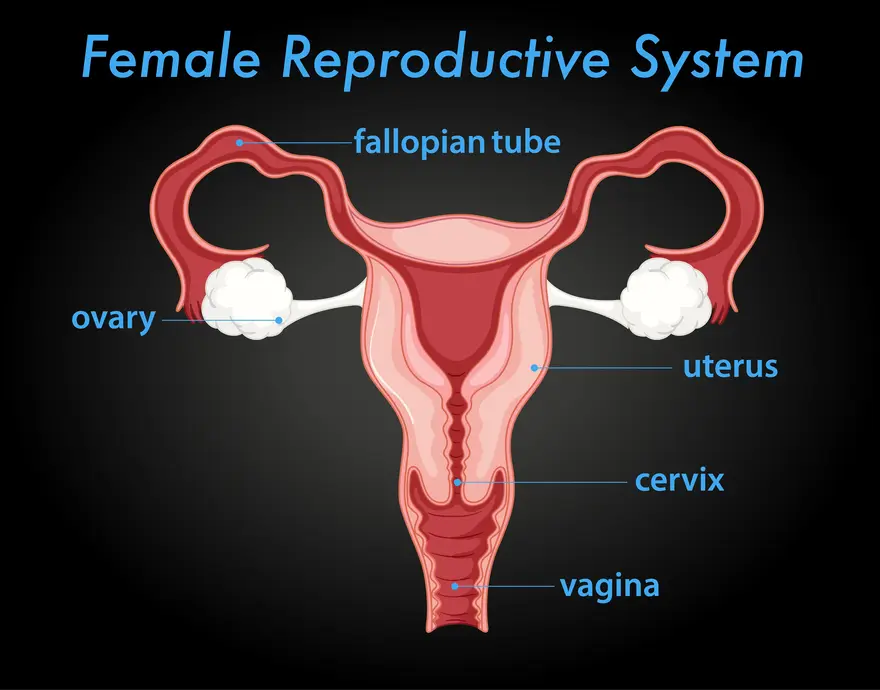
TORCH is an acronym from five potential infectious agents that can be transmitted from mother to foetus through the placenta. These viruses can cause serious congenital malformations especially when mother acquires the infection for the first time during the first trimester.
The full form of TORCH is toxoplasmosis, rubella, cytomegalovirus (CMV), herpes simplex (HSV).
Certain potential viral infections can be transmitted from mother to foetus through the placenta. These viruses can cause serious congenital malformations especially when the mother acquires the infection for the first time during the first trimester. Thus, it is essential to screen for such infections to prevent fetal complications. The TORCH-10 test can detect 10 common prenatal and postnatal infections. Here is all you need to know about the TORCH-10 test.
What is the TORCH-10 Test?
TORCH stands for the potential viruses, toxoplasma, others (hepatitis B virus (HBV), hepatitis C virus (HCV), human immunodeficiency virus (HIV), varicella zoster virus (VZV), and human parvovirus B19), rubella, cytomegalovirus (CMV), and herpes simplex (HSV). The TORCH-10 test is an innovative, comprehensive screening tool for the early detection of infectious diseases that detects the IgG and IgM antibodies to Toxoplasma, CMV, Rubella, HSV-1 and HSV-2. By using a single blood sample IgM and IgG antibodies against these viral pathogens can be detected.
Written by: Dr R.Lakshmi Priya, M.B.B.S, MD, Dept. of Microbiology and Molecular Biology
Reasons for Undergoing the Torch 10 Test
The TORCH 10 test is recommended by healthcare providers for various reasons, including:
- Detecting Maternal Infections: Identifies infections that a pregnant mother may contract and pass to the foetus, especially when congenital infections like intrauterine growth restriction (IUGR), foetal hydrops, or ultrasound abnormalities are suspected.
- Exposure to Infected Individuals: Recommended for those who have been in close contact with individuals suffering from rubella or other TORCH infections to assess potential transmission risks.
- Recurrent Pregnancy Losses: Advised for pregnant women with a history of multiple miscarriages or symptoms suggestive of TORCH infections, helping diagnose underlying causes.
- Newborn and Immunocompromised Patients: Used to diagnose infections in newborns and individuals with weakened immune systems, such as transplant recipients or HIV patients.
- Treatment Monitoring: Helps assess the effectiveness of treatments for TORCH infections, guiding further medical management and interventions.
Early detection enables timely treatment and reduces complications.
List of Parameters Considered During the Torch 10 Test
The Torch 10 test measures IgG and IgM antibodies against the following pathogens:
- Toxoplasma gondii
- Rubella Virus
- Cytomegalovirus (CMV)
- Herpes Simplex Virus 1 & 2
- Varicella Zoster Virus (VZV)
These parameters help in determining whether the infection is current or occurred in the past, which is crucial for managing the health of both the mother and the foetus.
Torch 10 Test Preparation
No special preparation is needed for the Torch 10 test. However, it's important to inform your healthcare provider about any medications you are currently taking. A healthcare professional will collect a blood sample from your arm for testing.
Torch 10 Test Results & Interpretation
The results of the Torch 10 test are typically reported as positive or negative:
- IgG Positive: Indicates past infection or immunity. If positive before pregnancy, it suggests that the risk of transmitting the infection to the foetus is very low.
- IgM Positive: May indicate a recent infection. However, IgM antibodies can be false positive, and levels may remain elevated for up to six months. Further testing like IgG avidity or PCR may be required to confirm the timing of the infection.
- IgG Negative: Indicates no past infection or immunity, suggesting the patient is susceptible to the infection and may need vaccination or medical advice if symptoms appear.
Interpretation should be done by a qualified doctor, considering other clinical findings and patient history.
Home Collection for Torch 10 Test Near You
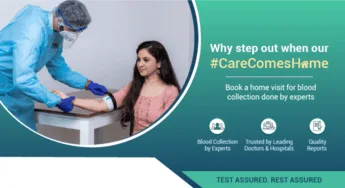
Home collection for the Torch 10 test offers a convenient solution for individuals to get tested without visiting a clinic. With Metropolis Healthcare's lab services, a trained phlebotomist comes to your doorstep to collect blood samples. This service ensures comfort and safety while maintaining high standards of sample handling and testing accuracy. Patients can expect a seamless experience with timely and reliable results, empowering them to take proactive steps in managing their health. Metropolis Healthcare's commitment to accessible healthcare underscores its dedication to providing quality diagnostic solutions conveniently at home.
TORCH-10 Profile Test Price
Metropolis Healthcare is a leading diagnostics centre and pathology lab in India equipped with the latest state-of-the-art technologies that provides the TORCH-10 Profile Test with a clear pricing structure.
The TORCH-10 Profile Test Price in Kalamboli is ₹ 3,350 .
We are committed to deliver accurate and quality results from the best labs in India with complete transparency regarding test cost and turnaround time. No matter where you are, we strive to offer patients high-quality service that is affordable and accessible.
Frequently Asked Questions
Torch 10 test is indicated for pregnancy where congenital foetal infection is suspected i.e., IUGR, foetal hydrops, USG changes. Patients with significant contact with patients suffering from rubella should also be investigated. If during pregnancy it is proven that there has been exposure of foetus to these infection that doctor will advise treatment and comment on health of foetus.
TORCH IgG is ideally indicated before pregnancy or during the first antenatal visit during the first trimester. If the test is positive in before pregnancy then chances of any serious infection to foetus are very remote. If this test is positive during pregnancy then an IgG avidity test or IgM test or PCR test would be required to confirm if infection is current or had happened in past
A TORCH-10 Test is done:
- To identify the presence of any infectious diseases that can be contracted by a pregnant mother and passed on to her foetus.
- To detect infectious agents, including toxoplasma, rubella, CMV, and HSV, which can all cause a variety of birth defects if the mother is infected at the time of pregnancy.
- To help determine the best course of treatment and management for the mother and her baby, if the mother is found to be infected with any of these pathogens.
- To diagnose infections in newborns, as well as to diagnose infections in people who are immunocompromised or have a weakened immune system.
- To monitor the effectiveness of treatments for infections.
The TORCH-10 Test is a screening test used to detect infections caused by the TORCH group of viruses. It is a combination of five blood tests that detect the presence of antibodies to the following infections: Toxoplasmosis, Rubella, CMV, HSV, and VZV. The test is typically used to detect congenital infections in newborns, but can also be used to diagnose and monitor infections in adults.
Torch 10 test measures IgM and IgG antibodies against Toxoplasma, CMV, Rubella, HSV 1 & 2.
During Torch 10 test blood sample is taken from a vein in your arm, using a small needle. After the needle is inserted, a small amount of blood will be collected into a test tube or vial. You may feel a little sting when the needle goes in or out. This usually takes less than five minutes.
During the TORCH-10 test, a tourniquet will be tightly fastened on your upper arm to fill your vein with blood. A needle will be inserted into your vein and a sample of your blood will be taken to fill a vacutainer, which will be sent for analysis. Results from the test are usually available within a few days, and your doctor will discuss the results with you and provide any necessary follow-up care
TORCH IgM positive - This may indicate a recent infection. However, IgM antibodies can be false positive and also they levels of the antibodies may remain elevated till 6 months.
It is important to time when the infection was acquired by the mother; this can be done through IgG avidity testing.
If it is suggested that infection occurred during the pregnancy then doctor may advise an invasive test like amniocentesis of chorionic villus sampling.
TORCH IgM negative - This means there is no evidence of exposure to the said viruses in near past or antibodies are yet to develop
TORCH IgG positive - If a person is IgG positive before pregnancy then she has antibodies against these agents and is unlikely to transmit these infections.
It is important to time when the infection was acquired by the mother, this can be done through IgG avidity testing.
If it is suggested that infection occurred during the pregnancy then doctor may advise an invasive test like amniocentesis of chorionic villus sampling.
TORCH IgG negative - This means that patient is not immune to these infections and should consider Rubella immunization & seek medical advise in case symptoms related to above infections are experienced
-
- Pregnant women should get a TORaqQACH-10 test done to detect any infections that could be transmitted to the fetus.
- Infants showing symptoms of any of these infections, such as cataracts, enlarged liver or spleen, jaundice, low platelet count, deafness, seizures, mental retardation and heart defects.
- Pregnant women who have been exposed to anyone suffering from Rubella.
- Pregnant women who have had multiple miscarriages.
- Pregnant women showing symptoms of any of these diseases.
The TORCH-10 test is a blood test that includes 10 tests. Out of these, 5 tests are IgG based, while the other 5 are IgM based. These tests include:
- Cytomegalovirus IgG Antibody
- Cytomegalovirus IgM Antibody
- Rubella Virus – IgG
- Rubella Virus - IgM
- Herpes Simplex Virus 1 IgG
- Herpes Simplex Virus 1 IgM
- Toxoplasma gondii – IgG
- Toxoplasma gondii – IgM
- Herpes Simplex Virus 2 IgG
- Herpes Simplex Virus 2 (HSV-2) Antibody Test – IgM
Patients should ensure they are well-rested and have had a light meal before the test. They should also wear comfortable clothing and bring a list of their current medications.
There is no normal range given for this test. The result will be termed either positive or negative. A positive result indicates the presence of one or more of the viruses. A negative result indicates the absence of infection.
- High-risk pregnancy
- Suspected infection of the mother with a group of viruses known as toxoplasma, rubella, cytomegalovirus, herpes simplex virus, and varicella (TORCH) during pregnancy
- Suspected congenital infection in newborn babies
- Premature or low-birth-weight babies
- Developmental delay in babies
- Abnormal physical findings in newborn babies
- Abnormal neurological findings in babies
- Hearing or vision problems in babies
- Seizures in babies
Jaundice in babies
TORCH Screen
TORCH Panel
IgG/ IgM Antibodies To Toxoplasma, CMV, Rubella, HSV-1 and HSV-2
Toxoplasma IgG
Toxoplasma IgM
Rubella IgG
Rubella IgM
Cytomegalovirus (CMV) IgG
Cytomegalovirus (CMV) IgM
Herpes Simplex Virus-1 (HSV-1) IgG
Herpes Simplex Virus-1 (HSV-1) IgM
Herpes Simplex Virus-2 (HSV-2) IgG
Herpes Simplex Virus-2 (HSV-2) IgM
The Torch 10 test screens for infections that can be transmitted from a pregnant mother to her fetus. It detects antibodies for Toxoplasmosis, Rubella, Cytomegalovirus, Herpes simplex virus, and other infections. The test helps diagnose potential risks like congenital infections, pregnancy complications, or infections in newborns and immunocompromised individuals.
Yes, home sample collection is available for the Torch 10 test through several diagnostic laboratories in India, such as Metropolis Healthcare. This service offers a convenient way to get tested without visiting a clinic or hospital, as a trained phlebotomist will come to your doorstep to collect the blood sample.
The Torch 10 test is used to detect infectious agents that can cause serious health complications, particularly in pregnant women and newborns. It helps identify infections that might affect fetal development and allows for prompt management and treatment to prevent potential congenital malformations.
The normal range for the Torch 10 test is typically indicated by negative results for IgG and IgM antibodies. However, the specific reference ranges may vary slightly depending on the laboratory. It is essential to consult with your healthcare provider to interpret the results accurately.
The Torch 10 test is recommended for pregnant women to detect any infections that could be transmitted to the foetus, infants showing symptoms of these infections, pregnant women who have been exposed to anyone suffering from Rubella or have had multiple miscarriages, and individuals with weakened immune systems.
The benefits of the Torch 10 test include early detection of infections that can be transmitted from a mother to her foetus, allowing for timely management and treatment. This helps prevent serious health complications for both the mother and the baby, thereby improving overall health outcomes.
The frequency of testing for the Torch 10 test depends on individual health needs and medical advice.
The Torch 10 test can be performed at any time of the day, as antibody levels remain relatively stable throughout the day.
No, fasting is not required for the Torch 10 test.
It is essential to inform your healthcare provider about any medications you are taking, as some drugs may interfere with the test results.
The Torch 10 test measures IgG and IgM antibodies against ten specific pathogens, including Toxoplasma gondii, Rubella virus, Cytomegalovirus (CMV), Herpes simplex virus 1 & 2 (HSV), and Varicella-zoster virus (VZV). These parameters help determine whether an infection is current or occurred in the past, which is crucial for managing the health of both the mother and the fetus.
The Torch 10 test is performed by collecting a blood sample from a vein in your arm.
The Torch 10 test is usually recommended during the first antenatal visit in pregnancy, typically between 8 to 12 weeks of gestation.
The Torch 10 test becomes positive when IgG or IgM antibodies against any of the ten pathogens are detected in the blood sample.
The blood sample collection for the Torch 10 test usually takes only a few minutes.
The turnaround time for Torch 10 test reports varies based on the lab and the testing method used. Most diagnostic centers provide results within 24 hours based on the day/time when the sample was collected and processed.
Ratings & Reviews (0)

Why Metropolis?
Metropolis has a team of 200 senior pathologists and over 2000 technicians delivering diagnostic solutions in the areas of routine, semi specialty and super specialty domains like Oncology, Neurology, Gynaecology, Nephrology and many more.
We offer a comprehensive range of 4000+ clinical laboratory tests and profiles, which are used for prediction, early detection, diagnostic screening, confirmation and/or monitoring of the disease.








 WhatsApp